



Children's Toy Export EU CE Certification
Want to sell your children's toys in Europe? CE certification is your "golden key" to customs clearance! Today, let's explain the entire certification process, key pitfalls to avoid, and the latest policies in simple terms. After reading this article, even beginners can become experts!
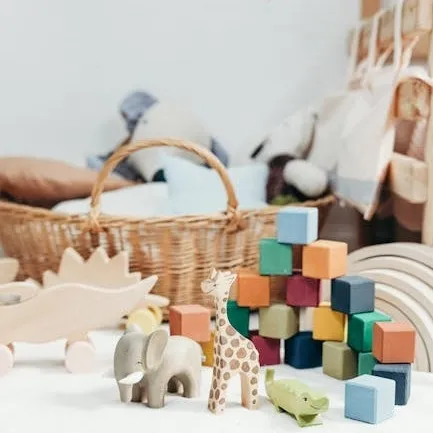
What is CE Certification? Is it necessary?
CE certification is essentially the "EU safety ID card" for toys. The EU mandates that all toys intended for children under 14 years old must bear this mark to prove the product is non-toxic, harmless, and won't harm children. Without it? At best, the goods will be held at customs, costing you daily fees. At worst, your products will be pulled from the shelves, you could face legal action, and your brand's reputation could crash.
2025 Latest Certification Process (6-Step Guide)
1. Precise Classification, Select the Right Standards
- For regular toys (e.g., plush toys, building blocks): Must pass the EN71 safety set:
- EN71-1 Physical Testing: 19 "violent" tests (drop tests, small parts, sharp edges, tensile strength, etc.) simulating scenarios like children's biting and throwing.
- en71-2 Flammability Testing: Plush and fabric materials must burn at ≤30mm/s (headwear, tents, etc. must be tested).
- EN71-3 Chemical Testing: 8 heavy metals (e.g., lead ≤90ppm, cadmium ≤75ppm) + additional boron element tests (important for slime, modeling clay).
- Electric Toys (e.g., remote control cars, sound and light toys): Must also meet EN62115, focusing on short circuit protection, battery explosion prevention, and ensuring sound levels ≤80dB.
2. Prepare the "Customs Clearance Document Package"
- Core materials: Design drawings (with dimensions), bilingual instruction manuals (including the sales language), material list (plastic types, battery specifications).
- Crucial detail: The age label must match the test report! For example, if testing is done for age 3+, but the packaging says 1+, it counts as fraud.
3. Laboratory "Abuse Test" Record
- Physical Abuse: Drop tests from 1.2 meters (10 times for plush toys), hammer impact (plastic toys withstand 50N pressure).
- Chemical Stripping: Materials soaked in artificial gastric fluid for 2 hours to check for heavy metal leaching.
- Circuit Torture: Electric toys subjected to 24 hours of short-circuit testing, and the outer shell temperature must not exceed 75°C.
4. Factory Surprise Inspections
- Focus on production lines, which must meet ISO9001 certification.
- Key checks: Mold precision (error ≤0.1mm), quality control processes (5% of each batch tested), chemical storage (flame retardants kept separately).
5. Labeling Pitfall Guide
- ce marking: Height ≥5mm, permanent and clear (silkscreen or laser engraving preferred).
- Required info: Manufacturer’s name and address (Chinese manufacturers need to add EU agent info).
- Age labeling (starting 2025, will be split into 0-3 months, 3-6 months, etc.).
- Warning templates: For small parts toys, use "Contains small parts, not for children under 3!"
6. Hidden Hurdles:
- Continued Compliance: Changed materials or modified designs? You must resubmit for testing!
- Annual Random Checks: At least once a year (suggest setting aside 5% of your budget).
TEMU/Amazon Special Platform Requirements
- Qualification Upload: ce certificate + EN71 Test Report (PDF original; screenshots are invalid).
- Labeling Photos: Clear 6-sided packaging image showing ce mark, warning text, EU agent info.
- Age Trap: Platforms follow the strictest local standards (e.g., France requires toys to have French-language labels).
2025 Three Major New Pitfalls!
1. Increased Chemical Testing: Phthalates are expanding from 6 to 7 types (DIBP added).
2. Electric Toy Restrictions:
- No removable button batteries (to prevent choking).
- USB ports must have overcharge protection (to prevent children from plugging in power banks).
3. Traceability Labeling: Production batch numbers must be traceable to specific production lines.
Hard Lessons Learned: Don't Skimp on These Costs!
- Choosing Laboratories: Stick to ISO17025 accredited organizations. Fake certificates are common (over 30% false rate from unqualified labs).
- Instruction Manual Translation: German “Do not swallow” mistranslated as “Don’t eat” led to product recalls.
- Sample Consistency: If the submitted sample has one screw different from the mass production version, it might need to be re-tested.
Ultimate Money-Saving Formula
- For plush toys, choose PP cotton (improves flame retardant pass rate by 30%) + ABS for plastic parts (reduces heavy metal migration by 50%).
- Use a "testing + certification + EU agent" all-in-one service to save 20% on time costs.
China's JJR Laboratory provides EU certification services for children's toys.
Email:hello@jjrlab.com
Write your message here and send it to us
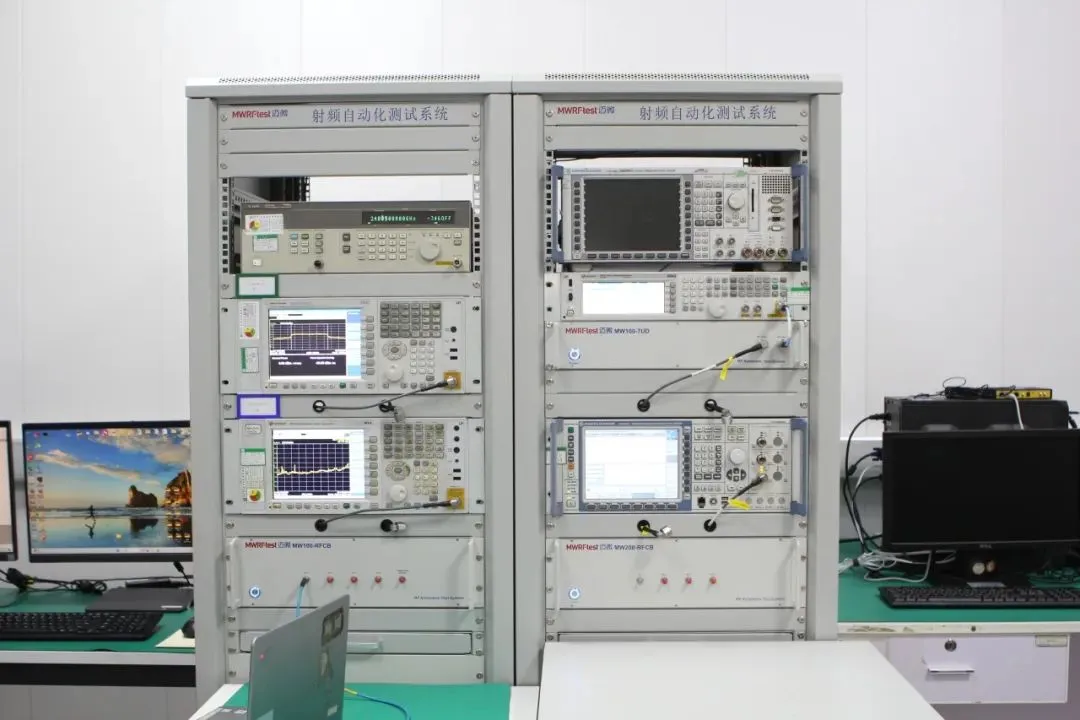 How to get the EN 55035 Test Report?
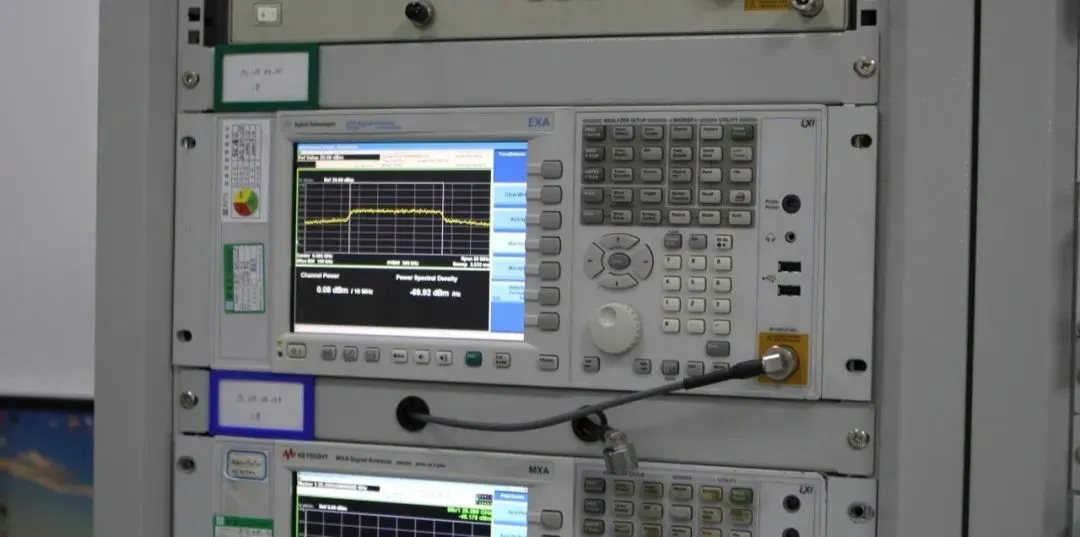 What is the Amazon EN 301 489 Standard?
 How to get an EN 301 489 Test Report?
 What is EN 301 489 Compliance Certification?
 Introduction to the EN 300 422 Standard
 How to get an EN 300 422 Test Report
 What is EN 300 422 Compliance Certification?
 How to get an EN 300 220 Test Report
Leave us a message
24-hour online customer service at any time to respond, so that you worry!