



Electric Blanket EN55014 Testing and EN60335 Testing
Heaters are commonly used household appliances in winter. Products entering the European and American markets must undergo CE certification. The lvd directive (low voltage directive) and EMC Directive (Electromagnetic Compatibility Directive) are two key certification requirements for heaters, focusing on their electrical safety and electromagnetic compatibility respectively.
Introduction to CE Certification
CE certification serves as a passport for products entering the EU market, indicating compliance with relevant EU directives and harmonized standards. Electrical products such as heaters, hand warmers, electric clothing, and electric blankets must meet requirements for both EMC (Electromagnetic Compatibility) and LVD (Low Voltage Directive).
EMC Certification (EN55014 Testing)
The EMC Directive requires all electrical and electronic equipment sold in the EU to meet basic electromagnetic compatibility requirements to prevent interference between devices and wireless communication services. For heaters, the EMC Directive primarily focuses on:
1. Electromagnetic Emission
Limits the electromagnetic radiation emitted by devices to prevent interference with other equipment or radio communication services. Relevant standards include EN 55014-1 (Electromagnetic Compatibility. Requirements for Household Appliances, Power Tools, and Similar Apparatus. Part 1: Emission).
2. Electromagnetic Immunity
Ensures the device can operate normally when subjected to external electromagnetic interference. Relevant standards include EN 55014-2 (Electromagnetic Compatibility – Requirements for Household Appliances, Power Tools, and Similar Apparatus – Part 2: Immunity).
3. Harmonic Current and Voltage Fluctuations
Devices with high input current must meet standards such as en 61000-3-2 and EN 61000-3-3 to limit harmonic current emissions and voltage fluctuations.
Purpose of Testing:
Ensure that the product operates normally in its electromagnetic environment without causing unacceptable electromagnetic interference. Additionally, ensure the product is immune to electromagnetic disturbances from the environment.
Specific Testing Items:
- Disturbance Power: Measures interference power generated by the product during normal operation.
- Disturbance Voltage: Detects interference voltage on the product’s power and other ports.
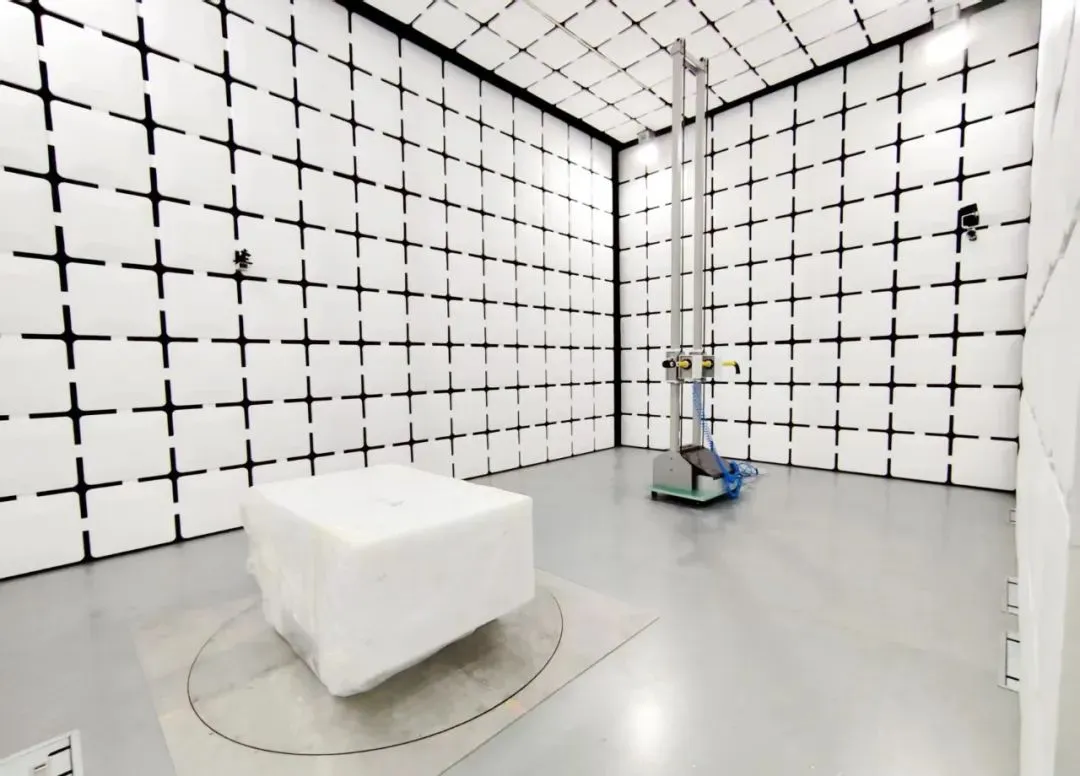
- Radiated Disturbance: Evaluates the intensity of electromagnetic radiation emitted during operation.
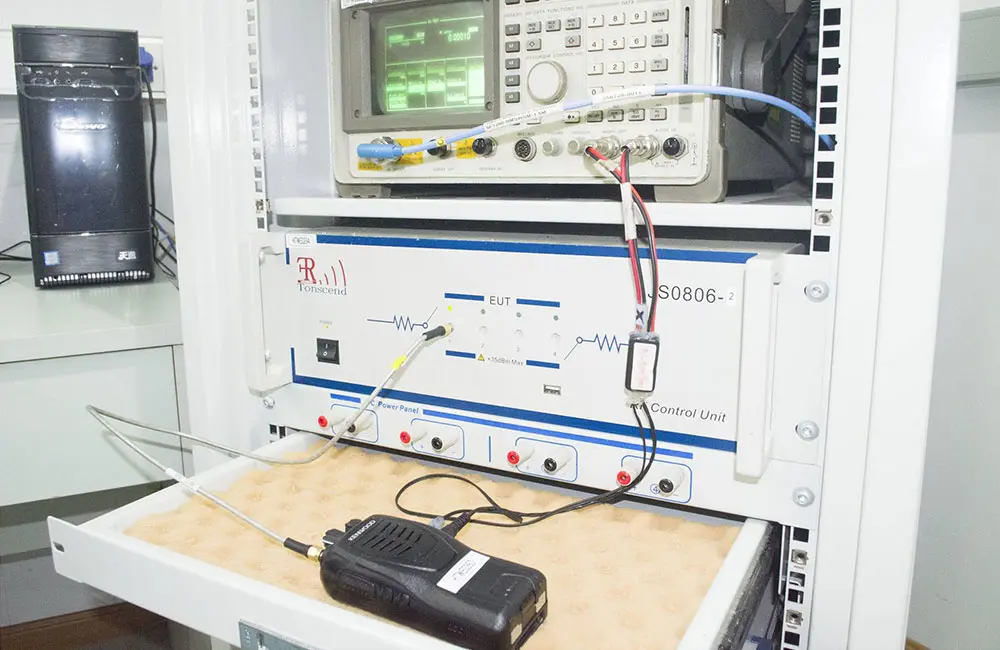
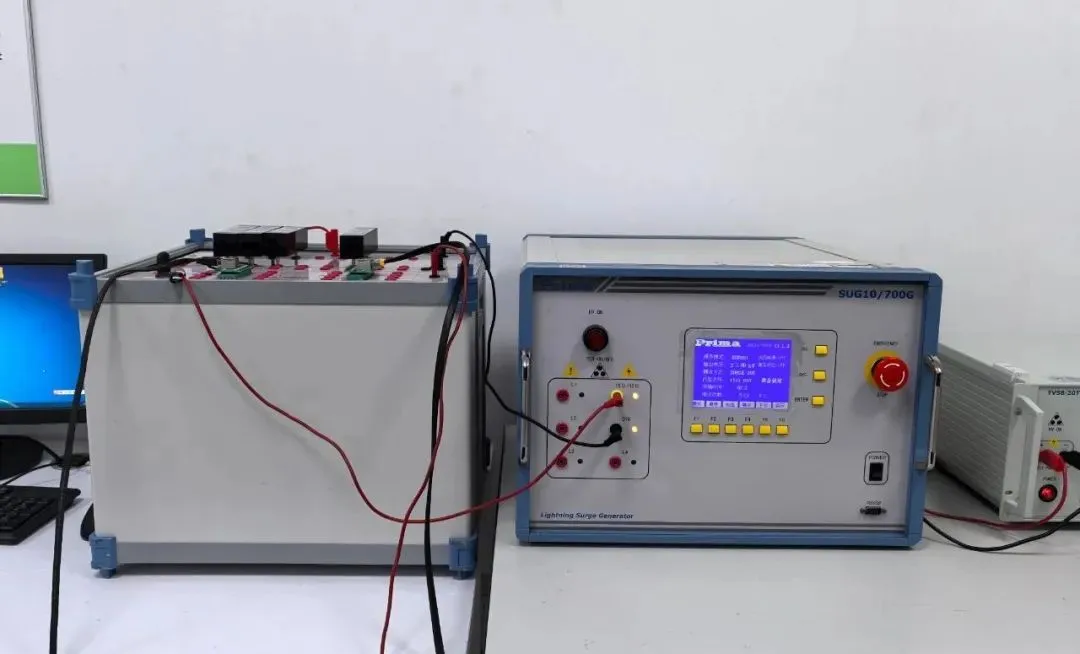
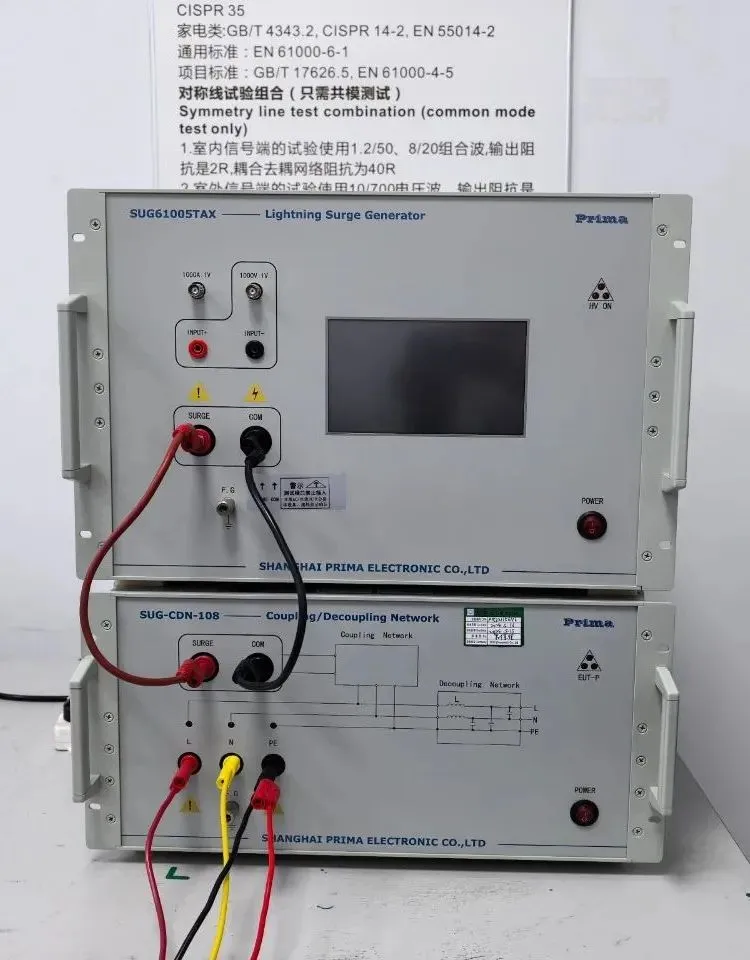
- Immunity Tests: Includes tests for electrostatic discharge immunity, radiated electromagnetic field immunity, electrical fast transient burst immunity, etc., to verify the product's performance under various electromagnetic disturbances.
lvd certification (en60335 Testing)
The LVD Directive sets legal requirements for electrical equipment designed for specific voltage limits to ensure safety during use. For heaters, the LVD Directive primarily focuses on:
1. Voltage Range:
Applies to electrical products operating at 50V to 1000V AC and 75V to 1500V DC.
2. Safety Rules:
Covers protection against mechanical hazards and electrical safety performance under normal use and fault conditions.
3. Testing Standards:
Heaters typically need to comply with EN 60335-1 (Household and Similar Electrical Appliances - Safety - Part 1: General Requirements) and EN 60335-2-30 (Household and Similar Appliances - Safety - Particular Requirements for Room Heaters).
Purpose of Testing:
Ensure safety when using low-voltage devices, preventing risks such as electric shock or fire caused by poor electrical insulation or improper grounding.
Specific Testing Items:
- Electrical Insulation Testing:
Checks insulation resistance and dielectric strength to prevent electric shock risks.
- Ground Continuity Testing:
Verifies the effectiveness and continuity of grounding devices to safely direct current into the ground during electrical faults.
- Leakage Current Testing:
Measures leakage current under normal and fault conditions to ensure it remains within safe limits, preventing electric shock.
- Mechanical Safety Testing:
Examines the product's casing and structure to avoid user injuries caused by loose components or sharp edges.
- Temperature Testing:
Monitors temperature rise during normal and abnormal operations to prevent overheating that could cause fire or other hazards.
ce certification process for Heaters/Hand Warmers/Electric Clothing/Electric Blankets:
1. Fill out the application form for JJR Laboratory in China.
2. Send samples to us.
3. Conduct sample testing.
4. Confirm draft results after passing tests.
5. Issue formal reports/certificates.
JJR Laboratory is an ISO/IEC 17025 accredited lab. Feel free to contact us for inquiries!
Email:hello@jjrlab.com
Write your message here and send it to us
 What is the ASTM F2167 Certification Test?
 What is the ASTM F2050 Certification Test?
 What is ASTM F1967 Certification Testing? How to g
 What is the ASTM F1917 Certification Test?
 How to get ASTM F1821 Certification
 What is the ASTM F1821 Testing Standard?
 Electronic Products Safety Testing Laboratory
 HAC Hearing Aid Compatibility Testing
Leave us a message
24-hour online customer service at any time to respond, so that you worry!