



Electric Fan Safety Standard: IEC 60335-2-80 Testing
iec 60335-2-80 is a standard established by the International Electrotechnical Commission (IEC) that specifies safety requirements for electric fans for household and similar purposes. This standard is part of the IEC 60335 series, which covers the safety of a wide range of household appliances.
Below is a detailed interpretation of some key points of IEC 60335-2-80:
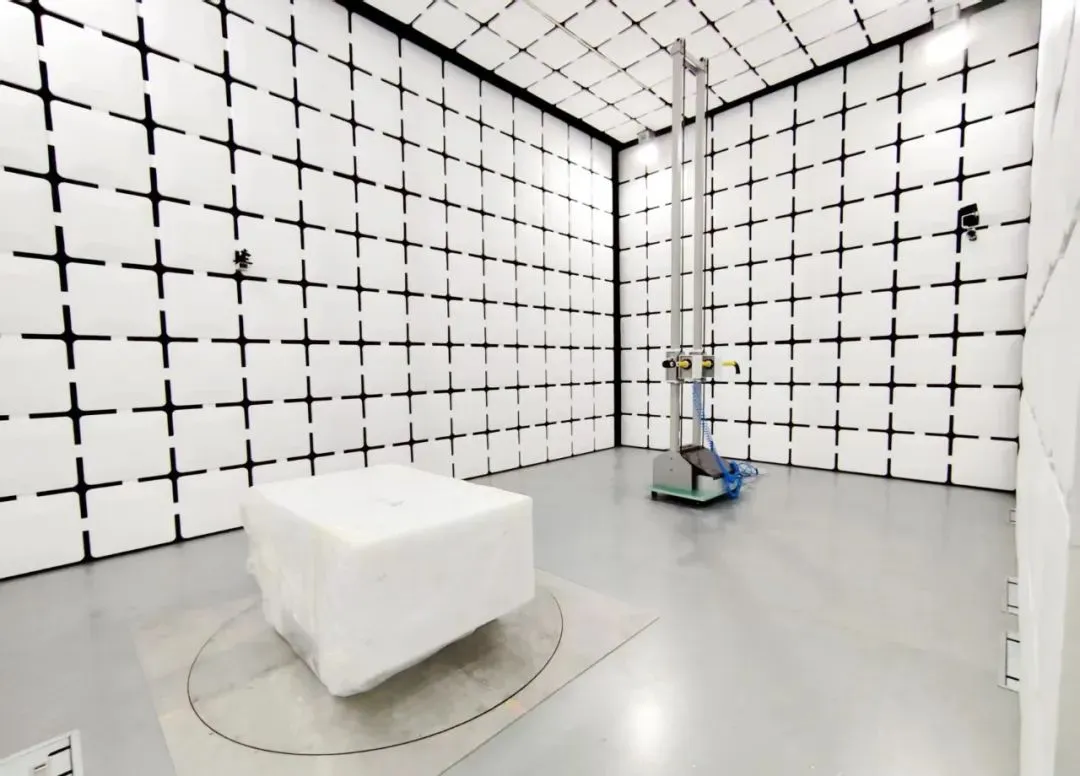
IEC 60335-2-80 Scope
Product Type:
Applies to household and similar electric fans with a rated voltage not exceeding 250V (single-phase) or 480V (other).
Usage Environment:
Includes household environments as well as commercial environments such as offices and shops, but does not apply to industrial-use fans.
Safety Requirements
1. Mechanical Safety:
Fan design must ensure that, under normal use and reasonably foreseeable misuse, it does not cause mechanical injury. This includes protection against contact with rotating parts.
2. Electrical Safety:
Fans must have adequate insulation to prevent electric shock. The standard specifies requirements for insulation materials, clearances, creepage distances, and other electrical parameters.
3. Thermal Safety:
Fans should not overheat under normal operation or fault conditions. The standard sets limits on temperature rise and specifies test methods to ensure safe operation under various conditions.
4. Structural Requirements:
Fan structures must be robust enough to prevent tipping or damage during use. Specific design requirements are also provided for fan blades, guards, and other components.
5. Ingress Protection (IP) Rating:
Depending on the intended use environment, fans may need to meet specific protection ratings to prevent the ingress of water or solids.
6. Marking and Instructions:
Fans must include clear markings and operating instructions. These should include the manufacturer’s name, model number, rated voltage, power, and other essential details. Instructions should guide users on correct and safe operation.
7. Special Attention to Fans with “T” Mark vs. Without “T” Mark:
- Temperature Limits:
Devices with a “T” mark usually indicate specific temperature limitations, such as operation in high-temperature environments or intrinsic heat generation characteristics.
- Thermal Protection:
A “T” mark may indicate the presence of built-in thermal protection to prevent operation under overheating conditions, reducing potential safety risks.
- Test Compliance:
The “T” mark may signify that the device has passed specific temperature tests and complies with IEC 60335-2-80 requirements for temperature or thermal protection.
8. Compliance:
Manufacturers must ensure that electric fans meet IEC 60335-2-80 requirements for international market sales.
Many countries and regions adopt local regulations based on IEC standards, so compliance also helps meet local legal requirements.
Market Supervision:In many regions, compliance with IEC standards is a basic requirement for market entry, especially in the EU, where conformity may be part of CE certification.
By strictly following IEC 60335-2-80, manufacturers can ensure fan safety and reliability, protecting consumers’ safety and rights.
Testing Methods
IEC 60335-2-80 specifies detailed testing methods to verify that fans meet safety requirements. These include:
- Mechanical strength testing
- Electrical safety testing
- Temperature rise testing
- Durability testing
- Moisture resistance testing
- Creepage distance and clearance testing
Email:hello@jjrlab.com
Write your message here and send it to us
 How to get an EN 301 893 test report?
 What is EN 301 893 Certification Compliance
 What is the CSA 62368-1 Standard?
 Canadian Pacifier Compliance SOR/2016-184
 US Agent for FCC & EC REP for CE: Compliance R
 What is Recycling of WEEE
 What is PPWR Packaging Compliance
What is Extended Producer Responsibility
What is PPWR Packaging Compliance
What is Extended Producer Responsibility
Leave us a message
24-hour online customer service at any time to respond, so that you worry!