



Jigsaw Puzzle EN71-1 Testing Services
Mechanical CE certification is a crucial passport for products entering the European Union market. It ensures that products comply with EU safety, health, and environmental protection requirements, serving as a necessary step for manufacturers to fulfill EU directives.
Overview of eu ce certification
EU CE certification indicates that a product meets the requirements of relevant EU directives and bears the ce mark, signifying that the product can circulate freely within the EU market. For children's toys such as jigsaw puzzles, CE certification is particularly important as it directly relates to the safety and health of children. EN71-1 is the first standard established by the EU for toy safety, encompassing requirements across multiple aspects including mechanical, physical, and electrical safety. It is one of the core components of CE certification for jigsaw puzzles.
EN71-1 Testing Items and Procedures
EN71-1 testing items primarily evaluate the mechanical and physical safety of toys, ensuring they will not cause harm to children under normal use conditions. The following are the main EN71-1 testing items and the equipment/material list:
Physical and Mechanical Testing
This includes tests for the toy's sharp edges and points, small parts, tensile strength, tipping, and dropping. The material list includes test samples, test fixtures, force sensors, drop test platforms, and other equipment.
Flammability Testing
This evaluates the flammability of toy materials to ensure they will not cause fires or pose hazards under normal use and foreseeable accidents. Testing methods include vertical flammability tests and horizontal flammability tests. The material list includes flammability testers, standard combustion chambers, flame height measuring instruments, etc.
Chemical Testing
This detects the content of hazardous substances in toy materials, such as heavy metals, formaldehyde, and phthalates. Testing methods include atomic absorption spectroscopy and gas chromatography. The material list includes chemical analysis instruments, standard samples, sample preparation equipment, etc.
Electrical Safety Testing
Conducted for electric toys to evaluate their electrical performance and safety. Testing items include earth continuity tests, insulation resistance tests, and withstand voltage tests. The material list includes electrical testers, earth resistance testers, insulation resistance testers, etc.
Sound Testing
Evaluates whether the sound emitted by the toy falls within a safe range to prevent damage to children's hearing. Testing methods include sound level meter measurements and frequency analysis. The material list includes sound level meters, frequency analyzers, soundproof chambers, etc.
Detailed Explanation of EN71-1 Standard Content
Mechanical and Physical Safety Requirements
The EN71-1 standard imposes strict requirements on the mechanical and physical safety of jigsaw puzzles, mainly including the following aspects:
Sharp Edges and Points
The surface of the toy should not have any sharp edges or points that could scratch a child's skin. The testing method involves tactile and visual inspection to ensure the toy's surface is smooth and free of burrs.
Small Parts
Evaluates whether the toy contains small parts that can easily detach and be accidentally swallowed by children. The testing method involves dismantling the toy using a small parts tester to check for parts with a diameter of less than 5mm.
Tensile Testing
Evaluates the connection strength of the toy to ensure it will not break under normal use. The testing method applies tension to the key connecting parts of the toy using a tensile testing machine to observe whether they break.
Tipping Testing
Evaluates the stability of the toy to ensure it will not tip over under normal use. The testing method involves placing the toy on an inclined plane, gradually increasing the angle of the incline, and observing whether it tips over.
Drop Testing
Evaluates the impact resistance of the toy by simulating situations where the toy falls from a certain height. The testing method involves dropping the toy from a specified height onto a hard surface to observe whether it is damaged or generates hazardous parts.
Flammability Testing
Flammability testing is a crucial part of the EN71-1 standard. It ensures that toy materials will not cause fires or pose hazards under normal use and foreseeable accidents. The testing methods mainly include:
Vertical Flammability Testing
The toy sample is placed vertically, and its top is ignited using an igniter to observe its burning time and flame spread. The flammability of the toy material is evaluated based on the combustion results.
Horizontal Flammability Testing
The toy sample is placed horizontally, and its surface is ignited using an igniter to observe its burning time and flame spread. Similarly, the flammability of the toy material is evaluated based on the combustion results.
Chemical Testing
Chemical testing is another vital component of the EN71-1 standard. It detects the content of hazardous substances in toy materials to ensure the toy will not pose health risks to children. Main testing items include heavy metals, formaldehyde, and phthalates:
Heavy Metal Testing
Evaluates the content of heavy metals such as lead, cadmium, and mercury in toy materials. The testing method includes atomic absorption spectroscopy, using instruments to detect heavy metal content in the sample and ensure it remains within a safe range.
Formaldehyde Testing
Evaluates the formaldehyde emissions from toy materials to ensure they will not harm children's respiratory systems. The testing method includes gas chromatography, using instruments to detect formaldehyde emissions in the sample and ensure they remain within a safe range.
Phthalates Testing
Evaluates the phthalate content in toy materials to ensure it will not harm children's endocrine systems. The testing method includes gas chromatography, using instruments to detect phthalate content in the sample and ensure it remains within a safe range.
Electrical Safety Testing
For electric toys, the EN71-1 standard also requires electrical safety testing to ensure their electrical performance and safety. Main testing items include earth continuity tests, insulation resistance tests, and withstand voltage tests:
Earth Continuity Testing
Evaluates the grounding performance of the toy to ensure it will not pose a risk of electric shock during use. The testing method uses an earth resistance tester to measure the toy's grounding resistance, ensuring it remains within a safe range.
Insulation Resistance testing
Evaluates the insulation performance of the toy to ensure it will not cause electrical leakage. The testing method uses an insulation resistance tester to measure the toy's insulation resistance, ensuring it remains within a safe range.
Withstand Voltage Testing
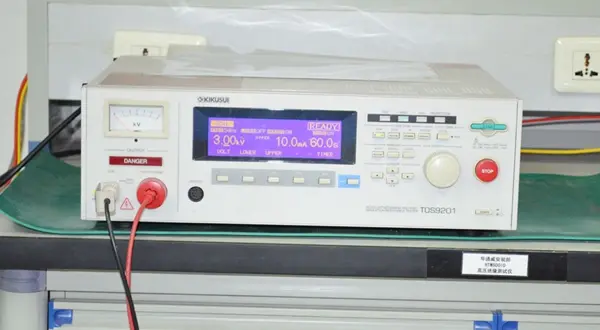
Evaluates the withstand voltage performance of the toy to ensure it will not short-circuit during use. The testing method uses a withstand voltage tester to apply high voltage to the toy, observing whether breakdown or short-circuiting occurs.
Sound Testing
The EN71-1 standard also requires an evaluation of the sound emitted by toys to ensure it will not damage children's hearing. Main testing items include sound level meter measurements and frequency analysis:
Sound Level Meter Measurement
Uses a sound level meter to measure the intensity of the sound emitted by the toy, ensuring it remains within a safe range. The testing method involves placing the sound level meter next to the toy to measure its sound intensity.
Frequency Analysis
Uses a frequency analyzer to analyze the sound frequencies emitted by the toy, ensuring they will not damage children's hearing. The testing method involves connecting the frequency analyzer to the sound level meter to analyze the sound frequencies.
Email:hello@jjrlab.com
Write your message here and send it to us
 How to get an EN 301 893 test report?
 What is EN 301 893 Certification Compliance
 What is the CSA 62368-1 Standard?
 Canadian Pacifier Compliance SOR/2016-184
 US Agent for FCC & EC REP for CE: Compliance R
 What is Recycling of WEEE
 What is PPWR Packaging Compliance
What is Extended Producer Responsibility
What is PPWR Packaging Compliance
What is Extended Producer Responsibility
Leave us a message
24-hour online customer service at any time to respond, so that you worry!