



What is PPWR Packaging Compliance
EU Packaging Law (PPWR) Compliance Services
The EU Packaging and Packaging Waste Regulation (PPWR, Regulation (EU) 2025/40) was officially published on January 22, 2025, and will be fully implemented starting August 12, 2026, applying directly to all EU member states.
What is the EU Packaging Law Regulation (PPWR)?
On January 22, 2025, the Official Journal of the European Union officially published the Packaging and Packaging Waste Regulation (PPWR, Regulation (EU) 2025/40), which completely replaces the Packaging and Packaging Waste Directive (94/62/EC, PPWD) that has been implemented for nearly 30 years. The packaging law has transitioned from a "Directive" to a "Regulation."
Key Interpretations:
1.Direct Application: As a regulation, the PPWR automatically becomes law in all EU countries upon taking effect, without the need for member states to transpose it into domestic law separately. This completely eliminates execution discrepancies among the 27 member states.
2.Mandatory Effect: All enterprises placing packaging or products containing packaging onto the EU market, regardless of whether they have a physical presence in the EU, must directly comply.
3.Unified Threshold: It establishes a unified market entry threshold, avoiding the compliance complexities previously caused by differences in packaging laws across various countries.
Types of Packaging Regulated by the EU PPWR
1.Primary Packaging (Sales Packaging): Packaging that directly contains the product and is sold alongside the product.
2.Secondary Packaging (Grouped Packaging): Removable packaging used to group multiple products together for easy display or handling.
3.Transport Packaging (Tertiary Packaging): Packaging designed to ensure the safe transport of products (excluding dedicated containers for road, rail, ship, or air freight).
4.Service Packaging: Such as carrier bags, trays, and take-away containers (used for bulk or ready-to-eat goods).
5.Composite Packaging: Integrated packaging made of multiple materials that cannot be separated manually.
Who Needs to Comply with the Packaging Law?
1.Manufacturers
Producing goods in the corresponding country that need to comply with EPR (Extended Producer Responsibility) requirements.
2.Importers
Importing EPR category products from other countries into the corresponding national market.
3.Distributors / Retailers
Selling EPR category products through online or offline channels.
Documents Required for Packaging Law Compliance
1.Company business license.
2.Legal representative information, copy of passport / ID card.
3.Brand / trademark registration certificate (must match the brand registered with the store).
4.Tax Identification Number, VAT number (if available).
5.Basic store information, storefront links, and sales product information.
Process for Packaging Law Compliance
1.Determine the regions and countries where the products are sold.
2.Identify the EPR category to which the sold products belong.
3.Confirm the specific EPR services to be registered.
4.Place an order to purchase the service and submit registration documents.
5.Upload and bind to the store after the EPR certificate is issued.
6.Print the EPR logo on the product/outer packaging.
7.Perform routine annual declarations and pay recycling fees.
Frequently Asked Questions about the EU PPWR
1. If I have registered for the German Packaging Act, do I still need to register in France?
Answer: Yes. The implementation of PPWR has not abolished the EPR systems of various EU countries, nor has it introduced a unified EU EPR number. EPR still follows the principle of "register in the country where you sell." For example, if you sell in both Germany and France, you need to apply for packaging law registration numbers in both countries separately.
2. How do non-EU companies comply with the packaging law?
Answer: Non-EU companies must appoint an eu authorized representative to handle EPR compliance matters. JJR can provide authorized representative services for non-EU sellers, completing the entire process of registration, declaration, and payment across various countries.
3. Will Amazon withhold and pay packaging law fees on my behalf?
Answer: After PPWR takes effect, platform withholding and remitting will become history. Sellers not only need to register for the packaging law on a country-by-country basis, but they must also pay the packaging waste recycling fees themselves or entrust an agent (such as JJR).
4. Why is a Spanish VAT required to register for the Spanish Packaging Law?
Answer: The Spanish packaging law registration explicitly requires providing a Spanish NIF (Tax Identification Number, i.e., Spanish VAT). For non-Spanish legal entities, the NIF starts with the letter N, and the application must be submitted to the Spanish State Tax Administration Agency (AEAT) through a representative holding a Spanish NIF or NIE.
5. Does the German Packaging Act registration number need to be printed on the packaging?
Answer: The German Packaging Act does not mandate printing a recycling logo. However, to be safe, it is recommended to print the recycling logo on the packaging label. The Spanish Packaging Law, however, has explicit label color classification requirements.
6. What are the specific requirements of the PPWR for recyclable packaging?
Answer: Starting January 1, 2030, all packaging placed on the EU market must be recyclable, and its recyclability performance must reach Grade A, B, or C (recyclability <70% is considered "technically unrecyclable" and is banned from the market). Starting January 1, 2038, only Grade A and B recyclable packaging will be allowed to enter the EU market.
7. Do self-fulfilled (FBM) sellers also need to register for the packaging law?
Answer: Yes. As long as self-fulfilled sellers have sales in the local EU market, they need to comply with the packaging law regulations. Cross-border e-commerce platforms will verify that all sellers meet the packaging regulation requirements, regardless of whether they use platform logistics or seller-fulfilled logistics.
8. Does JJR's packaging law service include the dual recycling system payment voucher?
Answer: Yes. The German EPR packaging law handled by JJR includes the basic recycling fee and provides the dual recycling system participation certificate along with the payment voucher for the corresponding year. This meets the complete audit requirements of platforms like Temu and Amazon for German packaging law compliance.
Email:hello@jjrlab.com
Write your message here and send it to us
 What is Recycling of WEEE
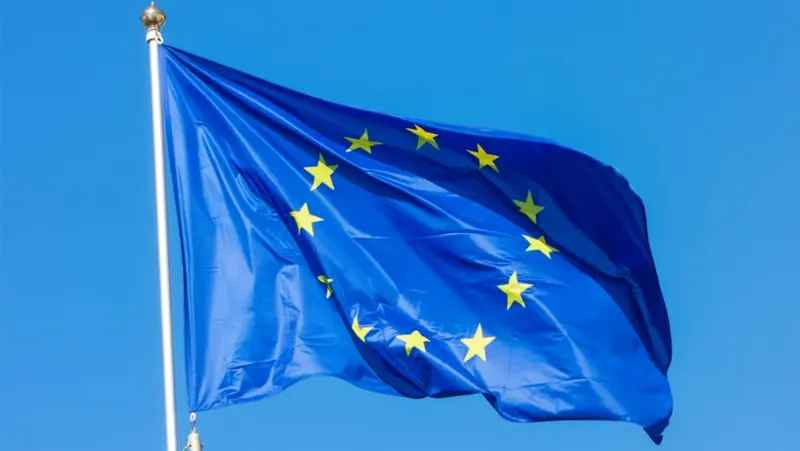 What is PPWR Packaging Compliance
What is Extended Producer Responsibility
What is PPWR Packaging Compliance
What is Extended Producer Responsibility
 Children's Toy Compliance: Avoiding CPSC Recalls
 Export Electric Blanket Compliance: Preventing CPS
 What is LFGB Certification Meaning
 EU Food Contact Materials (FCM) EC 1935/2004 Stand
 LFGB Germany Food Contact Materials Official
Leave us a message
24-hour online customer service at any time to respond, so that you worry!