



What is Recycling of WEEE
weee registration Service
We assist sellers in completing WEEE registration on the official German EAR website to obtain a WEEE registration number (DE + 8 digits), compliantly declare WEEE data, and provide printing specifications and usage guidance for the WEEE "crossed-out wheeled bin" symbol.
What is WEEE Service?
WEEE, which stands for Waste Electrical and Electronic Equipment, is an environmental protection regulation issued by the European Union to address the increasingly severe problem of electronic waste. The directive requires producers of electrical and electronic equipment to be responsible for the entire life cycle of their products, including the responsibility for recycling and disposal after the products are discarded.
Many sellers mistakenly believe that only manufacturers need to register for WEEE. In fact, while the manufacturers of electrical and electronic equipment are the directly responsible parties, purchasers and sellers in the product circulation process are also bound by this regulation. Simply put, "whoever benefits, registers" — as long as you sell electronic products to the German market, you have an obligation to fulfill the responsibility of WEEE registration and recycling.
Common WEEE Categories
Category 1 (Heat Exchange Equipment): Air conditioners, refrigerators, freezers, dehumidifiers, and other products.
Category 2 (Screens, monitors, and equipment containing screens having a surface greater than 100 cm²): Monitors, televisions, tablets, laptops, and other products.
Category 3 (Lamps): LED bulbs, energy-saving lamps, fluorescent tubes, and other products.
Category 4 (Large Equipment): Washing machines, dishwashers, microwaves (longest edge exceeding 50cm), and other products.
Category 5 (Small Equipment): Toasters, electric kettles, desk lamps, hair dryers (longest edge not exceeding 50cm), and other products.
Category 6 (Small IT and Telecommunication Equipment): Mobile phones, routers, keyboards, mice, power banks, and other products.
Who Needs to Register for WEEE?
Manufacturers
Produce goods that need to comply with weee requirements in the respective country.
Importers
Import WEEE-category products from other countries into the respective country's market.
Distributors / Retailers
Sell WEEE-category goods through online or offline channels.
Required Documents for WEEE Registration
1.Company business license.
2.Information of the legal representative, copy of passport/ID card.
3.Brand/trademark registration certificate, which must be consistent with the brand registered in the store.
4.Tax Identification Number, VAT number (if available).
5.Basic store information, front-end links, and sales product information.
WEEE Registration Process
1.Product Category Determination: A professional team assists in accurately matching the product to its specific category.
2.Submit Application Form: Submit the registration application to JJR and confirm the fees.
3.Prepare and Submit Documents: Compile the full set of materials and submit them to the local country's WEEE registration system.
4.Official Agency Review: The review period varies from country to country. Obtain the WEEE registration number upon approval.
5.Upload Registration Number to Platforms: Submit the WEEE code to the backend of e-commerce platforms such as Amazon, eBay, etc.
6.Platform Compliance Verification: The platform verifies the validity of the registration number to complete the binding of store qualifications.
7.Subsequent Compliance: Print weee labels and continuously fulfill declaration obligations.
WEEE Frequently Asked Questions
1. I have multiple Amazon stores. Does each store need to register for WEEE?
Answer: The WEEE registration must match the company information on the product packaging. In actual operation, most sellers will register WEEE separately for each store due to concerns about store association.
2. Can I register for WEEE without a brand registry?
Answer: Yes. You can bind no brand or someone else's brand during WEEE registration, but after registration, you must ensure the brand matches what is displayed in the Amazon backend, otherwise the verification may be invalid.
3. What else needs to be done after WEEE registration?
Answer: After registration is complete, sellers need to:
1.Print the "crossed-out wheeled bin" symbol and registration number on the product and its packaging.
2.Submit the total weight data of electronic products sold in the previous month before the 10th of each month.
3.File an annual declaration at the end of each year.
4. How long is the WEEE registration number valid?
Answer: Once the WEEE registration number is issued, as long as it is compliantly renewed every year, the registration number is permanently valid. Generally, the official renewal channel opens at the end of December each year. It is valid for the following year after renewal, and becomes invalid if not renewed.
6. Can WEEE registration be expedited?
Answer: No. The German EAR does not accept any backend connections to expedite the issuance of certificates, and all applications are randomly assigned to reviewers by the system. It is recommended that sellers plan ahead and submit applications as early as possible.
7. How do I operate if I need to add new products after WEEE registration?
Answer: If the new product belongs to an already registered category and brand, there is no need to register again; if the new product does not belong to a registered category or brand, you need to contact JJR promptly to submit an application for addition.
8. Can I print the crossed-out wheeled bin symbol first without registering for WEEE?
Answer: The labeling obligation and the registration obligation are independent. You can print the symbol first without WEEE registration, but the products ultimately exported to the local EU market must meet both registration and labeling requirements simultaneously.
Email:hello@jjrlab.com
Write your message here and send it to us
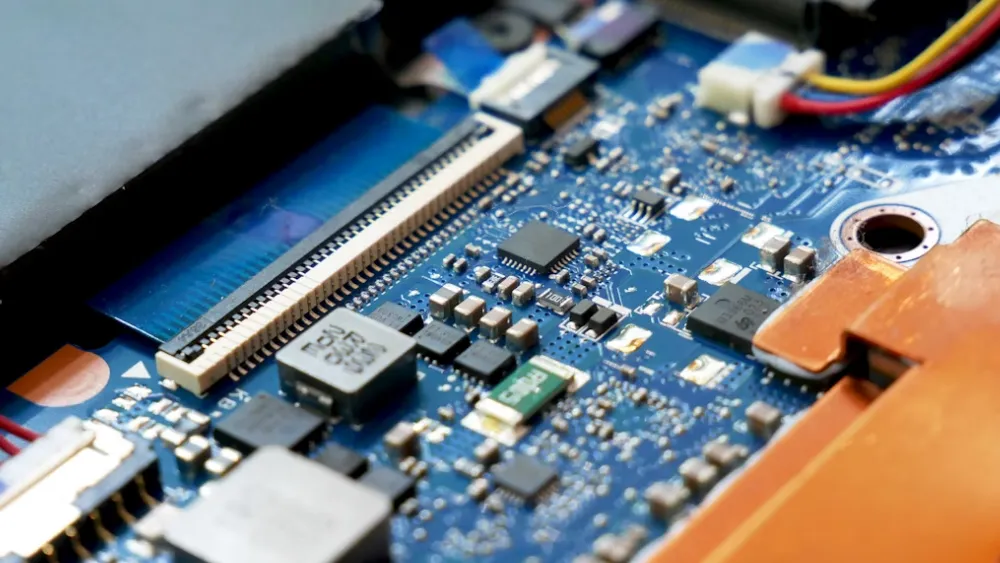 What is Recycling of WEEE
 What is PPWR Packaging Compliance
What is Extended Producer Responsibility
What is PPWR Packaging Compliance
What is Extended Producer Responsibility
 Children's Toy Compliance: Avoiding CPSC Recalls
 Export Electric Blanket Compliance: Preventing CPS
 What is LFGB Certification Meaning
 EU Food Contact Materials (FCM) EC 1935/2004 Stand
 LFGB Germany Food Contact Materials Official
Leave us a message
24-hour online customer service at any time to respond, so that you worry!