



What is the CSA 62368-1 Standard?
CSA C22.2 No. 62368-1 is a mandatory safety standard established by Canada for audio/video, information, and communication technology equipment with a rated voltage of ≤600V. The current latest effective version is CAN/CSA C22.2 No. 62368-1:25 (Fourth Edition), which was officially released on July 31, 2025, and will be fully and mandatorily enforced on February 15, 2027. It has completely replaced the old CSA C22.2 No. 60950-1 and CSA 60065 standards and serves as the core safety compliance basis for all relevant electronic devices entering the Canadian market.
Scope of Application of the CSA 62368-1 Standard
This standard covers all categories of electrical and electronic products, including audio/video playback equipment, IT peripherals, commercial display terminals, smart security devices, and consumer electronics with communication capabilities. Regardless of whether they are equipped with wireless radio frequency features, products must first meet the safety requirements of this standard before they can be paired with ised wireless certification to achieve complete market access in Canada. It is a mandatory compliance document for Canadian customs clearance and for listing on mainstream e-commerce platforms like Amazon.
Analysis of the Core Design Concept: HBSE
The standard adopts the innovative concept of Hazard-Based Safety Engineering (HBSE). Instead of merely limiting component parameters, it systematically evaluates all safety risks of the product under normal use and single-fault scenarios across all dimensions—such as electrical shock, fire spread, mechanical injury, and thermal burns. Compared to the older standards, its risk coverage is more comprehensive, and its compliance logic aligns more closely with actual product usage scenarios.
Safety Requirements of CSA 62368-1
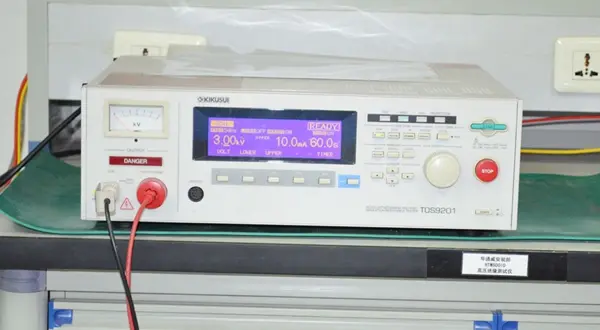
1.Electrical Safety Protection: Clearly defines the classification rules for hazardous energy sources (ES1/ES2/ES3) and mandatorily requires withstand voltage tests, touch current tests, and grounding continuity tests to completely prevent issues of energy sources exceeding safety limits.
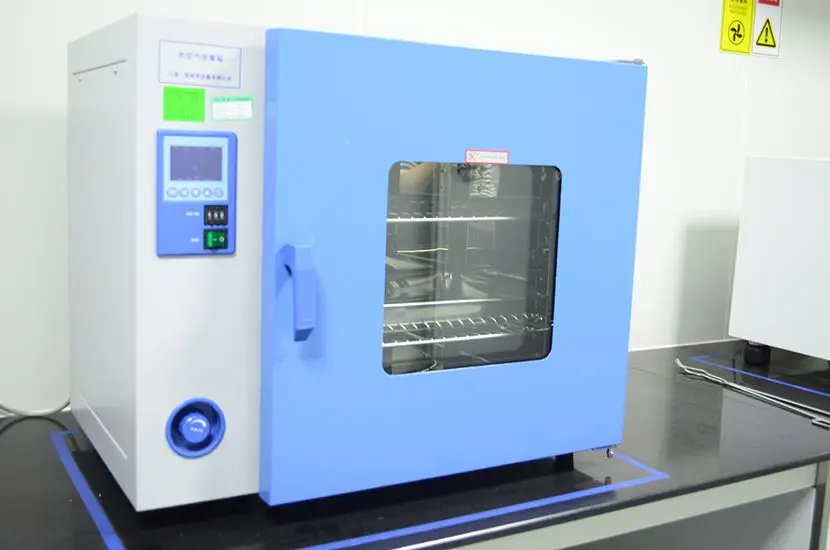
2.Thermal and Fire Protection: Includes temperature rise testing under all working conditions and abnormal temperature rise verification under single-fault conditions. The plastic enclosure must mandatorily meet the ul94 flame retardant rating requirements to prevent fire from spreading due to internal component failures.
3.Mechanical Structure Safety: Involves enclosure impact strength testing and stand stability assessments to prevent the equipment from tipping over or breaking and injuring users.
4.Special Requirements for Specific Scenarios: Audio products have an additional sound pressure test (Appendix E) to prevent hearing damage caused by output overload. Products with lithium batteries must undergo a specialized assessment for battery thermal runaway protection.
Fourth Edition Updates
Compared to the older 2019 edition, the Fourth Edition introduces several new regulations, including safety requirements for outdoor equipment, energy management for wireless charging devices, and backlight circuit protection for new display devices.
Products certified before February 15, 2027, may continue to use their existing reports. However, it is highly recommended that new product applications prioritize compliance with the Fourth Edition standard to avoid future risks of being delisted from platforms or facing customs clearance obstacles.
Email:hello@jjrlab.com
Write your message here and send it to us
 What is the CSA 62368-1 Standard?
 Canadian Pacifier Compliance SOR/2016-184
 US Agent for FCC & EC REP for CE: Compliance R
 What is Recycling of WEEE
 What is PPWR Packaging Compliance
What is Extended Producer Responsibility
What is PPWR Packaging Compliance
What is Extended Producer Responsibility
 Children's Toy Compliance: Avoiding CPSC Recalls
 Export Electric Blanket Compliance: Preventing CPS
Leave us a message
24-hour online customer service at any time to respond, so that you worry!