



FCC SDoC Application Process for Non Transmitting Devices
FCC certification is a mandatory compliance requirement in the United States for electromagnetic compatibility (EMC) and radiofrequency (RF) regulations. Many products related to radio applications, communication, and digital devices must obtain fcc approval before entering the U.S. market. FCC certification includes two main types:
1. fcc sdoc (Supplier’s Declaration of Conformity)
2. FCC Certification (ID-based)
This guide introduces the FCC sdoc certificationprocess.
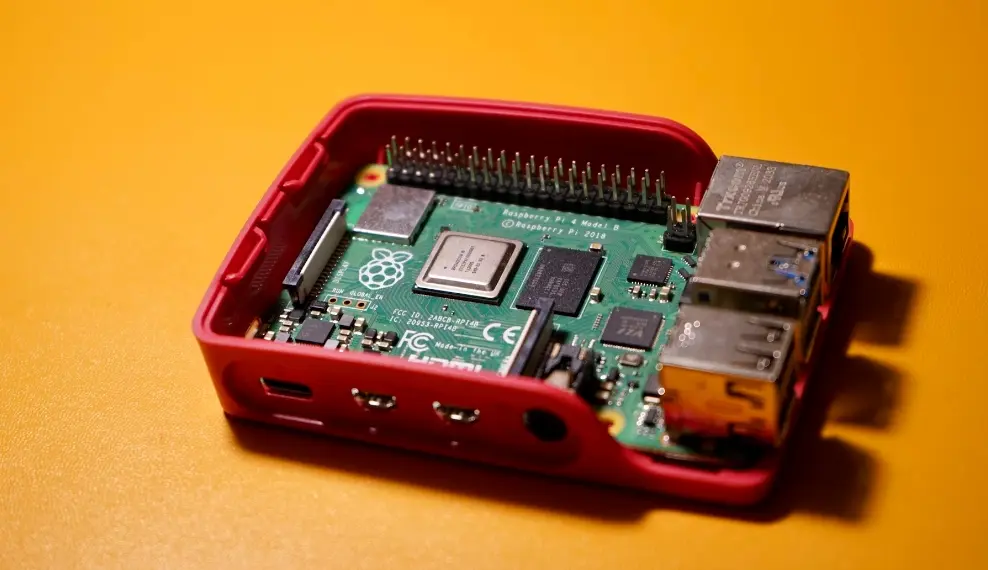
Introduction to fcc sdoc certification
SDoCstands for Supplier’s Declaration of Conformity. Under this program, suppliers are responsible for ensuring their equipment complies with applicable standards and must provide relevant documentation (such as the SDoC declaration) as proof of conformity.
The SDoC policy streamlines the previous FCC requirements by replacing the older VoC (Verification of Conformity) and DoC (Declaration of Conformity) processes. Key benefits include:
a. Use of electronic labeling
b. Simplified import declaration and compliance processes
c. Optional use of the fcc logo
d. Inclusion of the Declaration of Conformityin the product documentation
e. Declaration must include the name, address, or contact website of a U.S.-based responsible party
Applicable Product Types
FCC SDoC certification applies to general non-transmitting electronic products, including but not limited to:
a. Monitors
b. Lighting equipment
c. Power supplies
d. Home appliances
Common Standards for FCC SDoC Certification
a. fcc part 15B(Unintentional Radiators)
b. fcc part 18(Industrial, Scientific, and Medical Equipment)
Required Tests for SDoC Certification
a. Conducted Emissions
b. Radiated Emissions
Technical Documents Required
To apply for FCC SDoC certification, the following technical documents are required:
1. Full legal names and contact addressesof the product manufacturer and applicant.
2. A copy of the installation and user manualto be provided with the certified product. (If the manual is not yet available, a draft version may be submitted.)
3. Electrical schematicsand a description of the operating principle. (Include details of grounding or antennas, if applicable.)
4. A table of operating frequencies, indicating the signal paths and associated frequencies.
5. Other specific characteristics or features of the product, if applicable.
FCC SDoC Certification Process
1. Customer submits an application form(our company provides a blank template).
2. Sign a testing agreementwith our company.
3. Submit product samplesand prepare required documentation, such as schematics, external/internal photos, oscillator block diagrams, user manual, nameplate label, and functional description (depending on the product).
4. Testing is conducted. If compliant, we issue the certificate and test reportdirectly.
5. Once certified, the company may label the product with the FCC mark, if desired.
7. Validity Period of FCC SDoC Certification
The certification remains valid as long as the standards are current. If the relevant fcc standards are updated, products may need to be re-evaluated accordingly.
Contact Us
JJR Chinais an FCC-authorized testing laboratorywith decades of experience in FCC certification. Our expert team provides comprehensive services including assessment, pre-testing, and formal testing to ensure compliance.
Email:hello@jjrlab.com
Write your message here and send it to us
 What is the Difference Between EU PPWR and EPR?
 What is Japanese METI Registration
 Exporting to Saudi Arabia Saber Certification: PCo
 How to get a Saudi Arabia MSDS?
 Do I Still Need PPWR Compliance if I Have RoHS?
 Amazon Children's Toys Direct Validation Mandatory
 UL 4200A-2026 Compliance Standard for Button/Coin
 Guide to the EN18031 Testing Standard
Leave us a message
24-hour online customer service at any time to respond, so that you worry!