



How Does a Product Get an Energy Star Label
Energy Star Label (referred to as ES) is a voluntary energy-saving program led by the U.S. Environmental Protection Agency. It covers laboratory low-temperature cold-chain products such as ultra-low temperature products, electronic products, household appliances, lighting equipment, construction products, etc. The program was launched in 1992 by the U.S. Environmental Protection Agency (EPA) and the U.S. Department of Energy (DOE), aiming to reduce energy consumption and greenhouse gas emissions. It has been gradually adopted by Canada, Australia, New Zealand, Japan, the European Union and other countries, enjoying high market recognition—over 90% in North America.

Products Eligible for Energy Star Label
① Household appliances: refrigerators, air conditioners, washing machines, dishwashers, dehumidifiers, etc.
② Household electronic products: televisions, video recorders, cordless telephones, DVD products, etc.
③ Heating and cooling equipment: heat pumps, boilers, central air conditioners, etc.
④ Computers and office equipment: computers, monitors, printers, fax machines, copiers, multi-function devices, etc.
⑤ Lighting equipment: compact fluorescent lamps, exit signs, ceiling fans, etc.
⑥ Industrial and commercial products: transformers, power supplies, commercial frying pans, commercial freezers, etc.
⑦ Large commercial buildings, newly built houses, doors and windows, etc.
Test Items Included in Energy Star Label
Safety, EMI, surge, noise (not energy efficiency test items of Energy Star Label)
Optical performance and energy efficiency test items:
6. Luminous efficacy, luminous flux
1. Color temperature, color deviation, color rendering index
2. Luminous intensity distribution, regional luminous flux distribution
1. Chromaticity space non-uniformity
2. Switching cycle
3. Lumen maintenance
4. Chromaticity maintenance
5. Dimensions
6. Electrical parameters
Energy Star Label Certification Process
7. Submit product specification for consultation
2. JJR Lab provides quotation
3. Applicant fills in the application form
4. Pay testing fee, and submit samples and product documents
1. Conduct laboratory testing on samples
2. Submit test data and relevant documents to the competent authority of Energy Star Label
3. Pass review, and receive approval letter from Energy Star Label
8. Affix Energy Star Label to products
Basic Enterprise Information
1. Application form (provided by our company)
2. Product pictures - Chinese and English product instructions - product specification
3. Profit-seeking enterprise registration certificate
4. Circuit diagram or block diagram
5. Complete machine - fixed-frequency prototype
6. Explanation of differences between the main submitted model and the covered models in the same application unit
Email:hello@jjrlab.com
Write your message here and send it to us
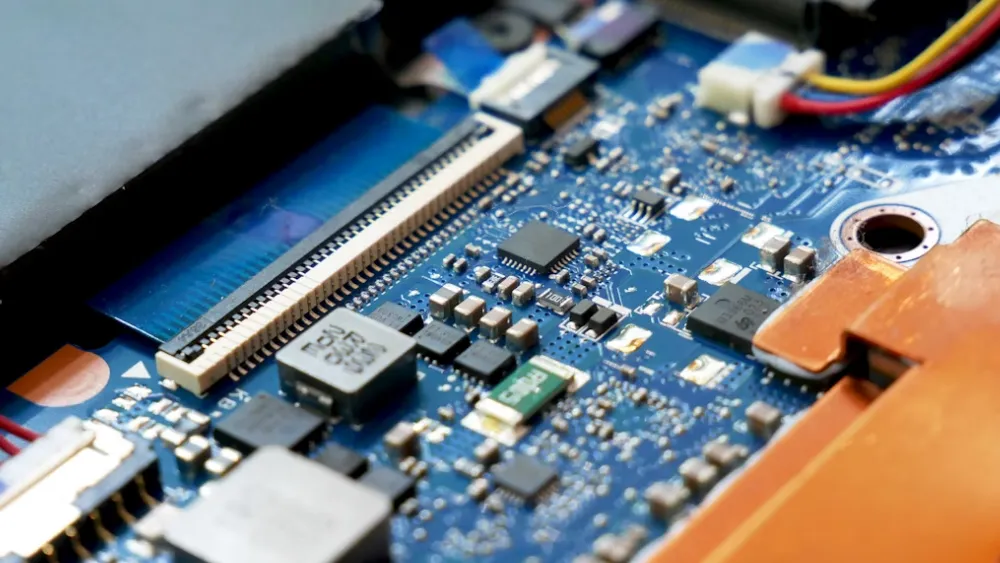 Japan MIC Wireless Certification Testing
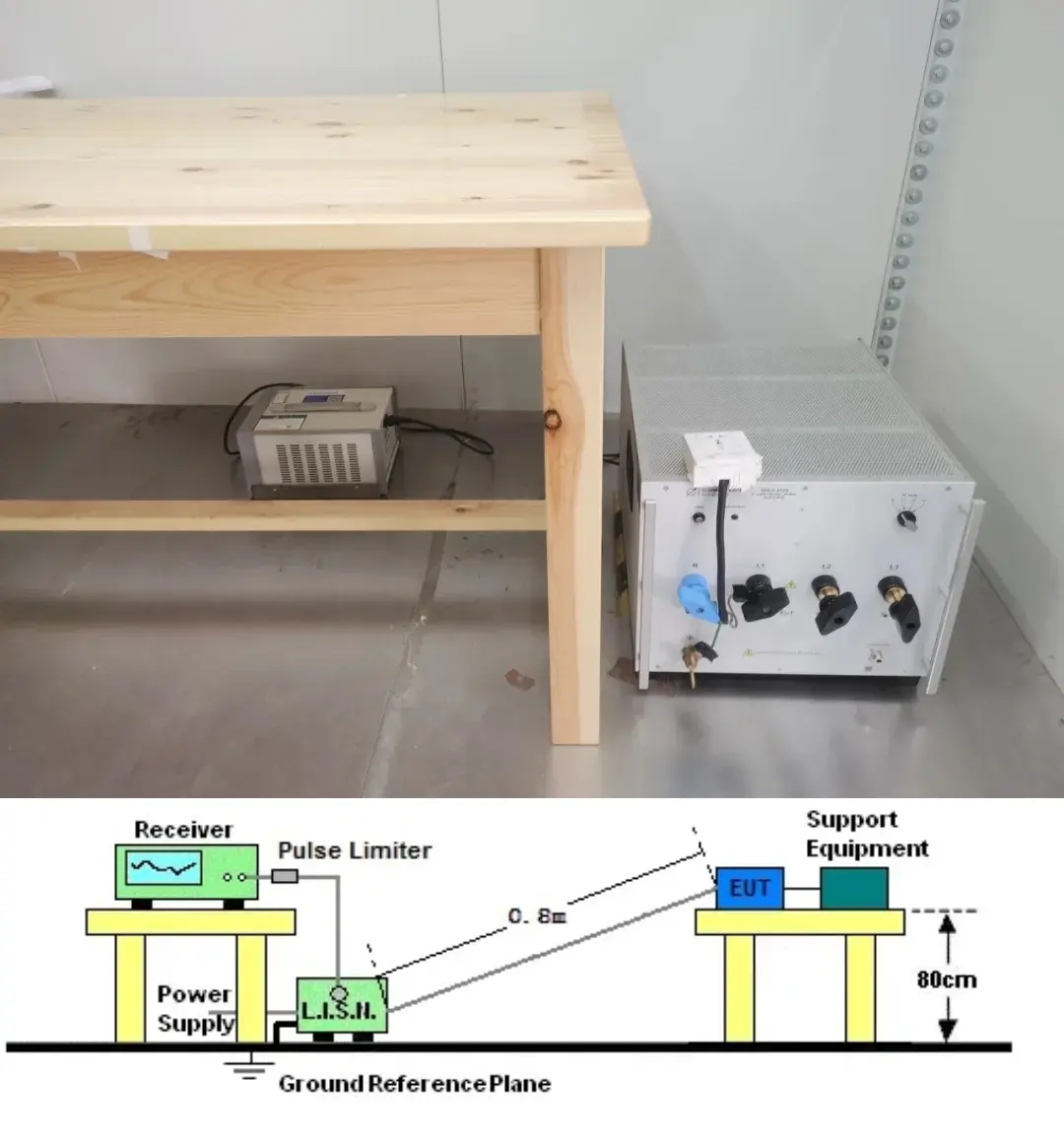 Canada RSS-247 Testing Lab
 LVD and EMC Testing for Power Adapters
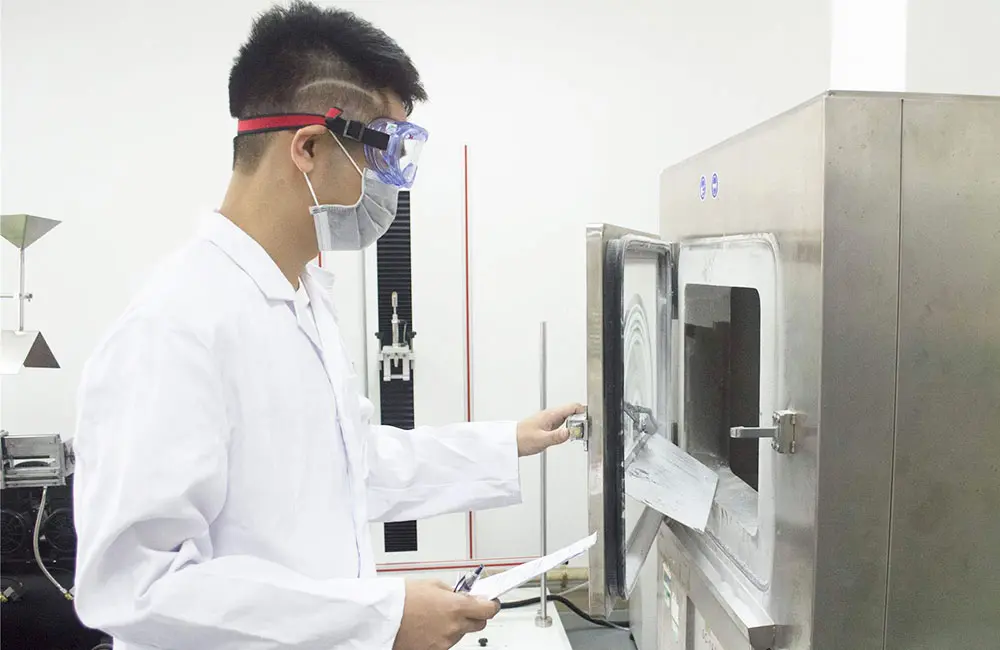 IEC 62133-2 Lithium Battery Testing Laboratory
 EN 55032 and EN 55035 Testing Laboratory
 FCC ID testing lab for Bluetooth earbuds
How to get an FCC ID and How Much Does It Cost
What is the EN 300 328 Testing Standard
FCC ID testing lab for Bluetooth earbuds
How to get an FCC ID and How Much Does It Cost
What is the EN 300 328 Testing Standard
Leave us a message
24-hour online customer service at any time to respond, so that you worry!