



IC Compliance Services Canada Guide
Canada imposes stringent market regulations on wireless communication and electronic devices. ic certification (Innovation, Science and Economic Development Canada Certification, formerly Industry Canada Certification) is a mandatory certification to ensure products comply with Canada’s radio spectrum, electromagnetic compatibility (EMC) and safety standards. Whether it is mobile phones, routers or household appliances, products cannot legally enter the Canadian market without passing IC Certification. This guide comprehensively interprets the core requirements of IC Certification, helping you efficiently access the North American market.

What is IC Certification?
IC Certification is regulated by Innovation, Science and Economic Development Canada (ised) and applies to all radio and electronic devices sold or used in Canada. Its core objectives are to ensure that devices meet the following criteria:
1. Spectrum Compliance: Wireless devices shall not interfere with public communication networks (e.g., aviation frequency bands).
2. Electromagnetic Compatibility: Devices shall not affect other electronic products during operation.
3. User Safety: Devices shall comply with electrical safety and radiation safety standards.
4. Certification Marking: Certified products must be labeled with an ic id (for radio devices) or an ICES number (for general electronic devices), along with the “Canada IC” or “ICES” logo.
IC Certification Testing Requirements
IC Certification requires a series of rigorous tests covering technical, safety, energy efficiency and other dimensions:
3. Electromagnetic Compatibility (EMC) Testing
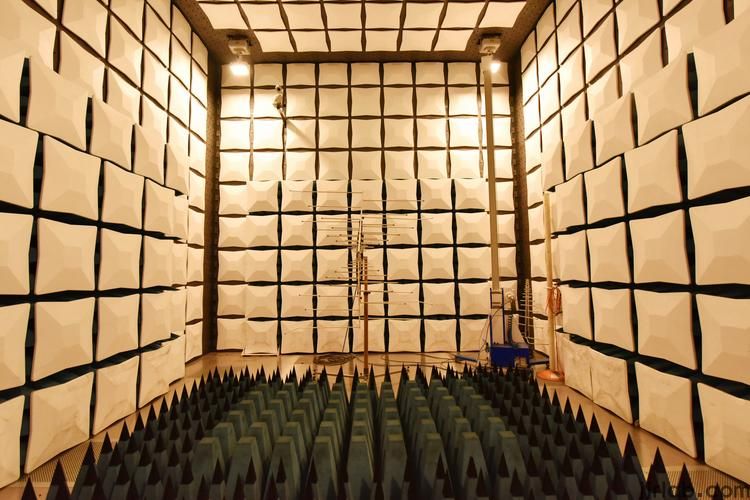
① Standards: ICES-003 (for information technology equipment), ICES-005 (for lighting fixtures), testing conducted/radiated emissions and anti-interference capability.
② Case Example: Laptops must pass tests in accordance with CISPR 22 standards to ensure no interference with medical devices.
4. Radio Frequency (RF) Testing
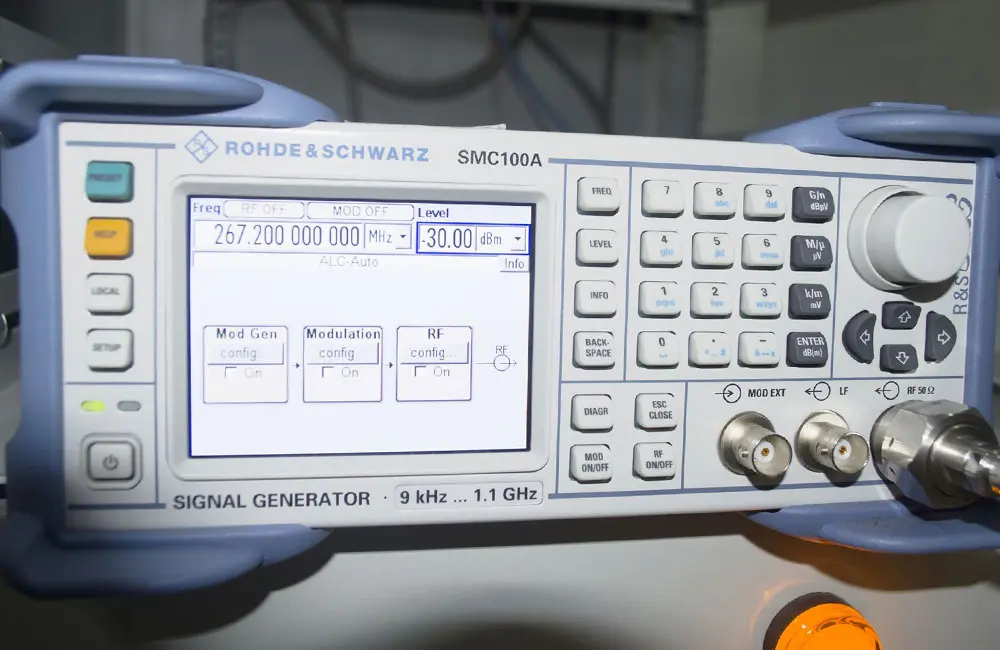
① Standards: RSS series (e.g., rss-247 for Wi-Fi/Bluetooth, RSS-102 for radio frequency radiation), testing frequency band compliance, transmit power and modulation accuracy.
② 2025 New Regulations:
a. RSS-247 Edition 2017: After the transition period (April 2025), all Wi-Fi/Bluetooth devices must comply with the new version of the standard, which adds support for the 6GHz frequency band.
b. RSS-102 Issue 6: sar testing requirements have been upgraded. Devices operating in frequency bands above 2450MHz (e.g., wireless headsets) are required to undergo sar testing, and the test distance for mobile phones has been adjusted to 10mm.
3. Electrical Safety Testing Standards
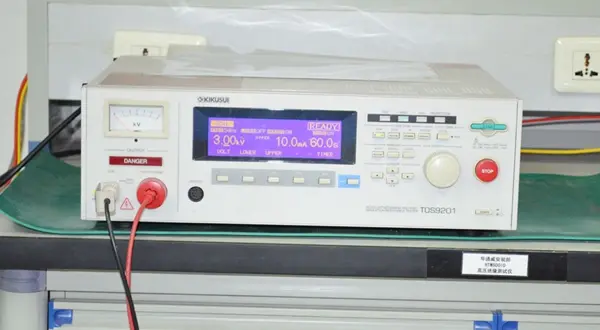
① Standard: CAN/CSA-C22.2 No. 60950 (for information technology equipment), covering insulation resistance, leakage current and overload protection.
5. Energy Efficiency Requirements
① Standard: NRCan regulations. Chargers, routers and other products must pass energy efficiency tests to reduce energy consumption.
Certification Process: 4 Steps to Achieve Compliance Access
2. Select a Certification Body
① Conduct tests through an ISED-accredited laboratory (e.g., JJR LAB).
② Non-Canadian enterprises are required to appoint a local representative (no physical company is needed).
1. Sample Testing
① Provide samples and technical documents (circuit diagrams, user manuals, BOM lists).
1. Submit Application and Document Review
① Radio Devices: Submit test reports and label designs via the ISED official website to obtain an IC ID (format: XXXXX-YYYYYYYYY).
② General Electronic Devices: Submit emc test reports and mark the ICES number (e.g., ICES-003).
1. Apply Marking
① Label the IC/ICES logo on the product itself, packaging and user manuals.
Certification Cycle: Time and Cost Planning
(1) Regular Cycle: 4–8 weeks (testing + review).
(2) Testing Duration: 2–4 weeks (additional SAR testing for wireless devices may extend the period to 6 weeks).
(3) Review Duration: 2–4 weeks (can be shortened if documents are complete).
(4) Expedited Service: Some laboratories offer expedited testing (with a 30%–50% cost increase).
(5) Key Influencing Factors:
① Product complexity (e.g., multi-band 5G devices require multiple rounds of testing).
② Document accuracy (errors in label information may lead to review rejection).
Product Scope and 2025 New Regulations
IC Certification covers two major categories of devices:
1. IC-sdoc Certification (Non-Wireless Products)
① Definition: Electronic devices that do not transmit radio signals.
② Examples: Power adapters, LED lighting fixtures, washing machines, printers.
2. IC-ID Certification (Wireless Products)
① Definition: Devices that use radio spectrum.
② Examples: Bluetooth speakers, Wi-Fi 6E routers, wireless headsets, RFID tags.
• Impact of 2025 New Regulations:
① Mobile Phone Certification: All mobile phones must support 5G NR frequency bands (e.g., n258, n260); devices only compatible with 4G will not pass certification.
② Testing Updates: New testing requirements for UWB (Ultra-Wideband) devices have been added to ensure coexistence with other wireless technologies.
Risks of Non-Compliance: From Fines to Market Ban
① Customs Detention: Products without IC/ICES marking cannot clear customs.
② Heavy Fines: Maximum fines can reach up to CAD 100,000 per day (accumulated for continuous violations).
③ Product Recall: The Competition Bureau of Canada may order mandatory product withdrawal and public notification.
④ Brand Reputation: Consumers may initiate class-action lawsuits due to potential safety hazards.
Conclusion: Achieve Efficient Compliance and Seize the North American Market
IC Certification is a core threshold for entering the Canadian market. Enterprises need to pay attention to the following points:
1. Pre-Compliance Design: Prioritize the selection of RF chips with existing IC Certification (e.g., Qualcomm, Nordic solutions).
2. Label Localization: User manuals and labels must include information in both English and French.
3. Dynamic Tracking: Keep abreast of ISED standard updates (e.g., the proposed addition of 6GHz Wi-Fi frequency band rules in 2024).
Email:hello@jjrlab.com
Write your message here and send it to us
 How to get an EN 301 893 test report?
 What is EN 301 893 Certification Compliance
 What is the CSA 62368-1 Standard?
 Canadian Pacifier Compliance SOR/2016-184
 US Agent for FCC & EC REP for CE: Compliance R
 What is Recycling of WEEE
 What is PPWR Packaging Compliance
What is Extended Producer Responsibility
What is PPWR Packaging Compliance
What is Extended Producer Responsibility
Leave us a message
24-hour online customer service at any time to respond, so that you worry!