



Accelerated Ageing Test
IEC 60068-2-5 is one of the environmental test standards developed by the International Electrotechnical Commission (IEC), specifically used to evaluate the durability and performance changes of electronic products under sunlight exposure. By simulating ultraviolet (UV) radiation, visible light and thermal effects in the natural environment, this standard accelerates the material ageing process to predict its long‑term stability in actual use.
The following is a detailed analysis of the IEC 60068-2-5 light accelerated ageing test:
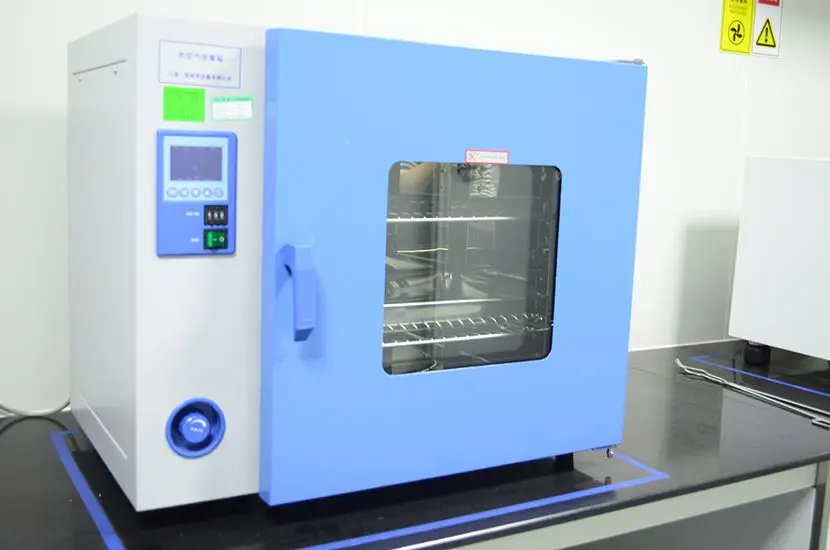
1. Test Purpose
1. Evaluate material weatherability
Simulate the effects of outdoor environments (such as sunlight, temperature, humidity and rainfall) on materials, and detect ageing phenomena including colour change, mechanical performance degradation, chalking, cracking, etc.
• Verify product reliability
Ensure that electronic products (such as housings, displays, connectors, etc.) can maintain functional integrity and appearance stability after long‑term exposure to the natural environment.
• Support R&D and quality control
Optimize material formulations (such as UV absorbers, stabilizers) through standardized tests, and conduct quality consistency inspection during production.
2. Scope of Application
IEC 60068-2-5 is mainly applicable to the following scenarios:
• Electronic and electrical equipment: automotive electronics, consumer electronic products (mobile phones, tablets), industrial equipment housings, etc.
2. Material testing: light‑ageing‑sensitive materials such as plastics, rubbers, coatings and textiles.
• Specific industries: products requiring long‑term sunlight exposure, such as automotive, photovoltaic, construction and outdoor advertising.
3. Test Equipment and Light Sources
Core Equipment
• Xenon arc ageing test chamber (xenon arc lamp): simulates full‑spectrum sunlight (including UV, visible light and infrared radiation).
• Fluorescent UV ageing chamber (UVA-340 or UVB-313 lamp): simulates short‑wave ultraviolet (295–400 nm), suitable for low‑cost rapid testing.
• Carbon arc ageing chamber (rarely used): simulates part of the solar spectrum, mainly used in traditional industries (such as Japanese automotive interior parts).
Light Source Selection Basis
• Xenon arc lamp: high spectral matching (close to natural light), suitable for high‑precision testing (such as ISO 4892-2 cited by IEC 60068-2-5).
• Fluorescent UV lamp: low cost but incomplete spectrum (only simulates UV part), suitable for preliminary screening.
• Carbon arc lamp: poor spectral matching, gradually replaced by xenon arc lamps.
4. Test Procedures and Key Parameters
IEC 60068-2-5 defines multiple test procedures (A, B, C). The specific parameters are as follows:
4.1 Light Exposure Phase
• Irradiance:
○ Total irradiance: 1120 W/m² (full spectrum, ±10%), referenced to CIE 85.
○ Point control: 0.60 W/m² @ 340 nm (short‑wave UV, Daylight‑B/B filter recommended).
• Temperature:
○ Black Panel Temperature (BPT): 63℃±3℃ or 100℃±3℃ (depending on material).
○ Air Temperature (AT): 40℃±2℃.
• Humidity: 50%–60% RH (simulating natural environmental humidity).
4.2 Dark Phase
• Temperature: 25℃±2℃
• Humidity: 50% RH
4.3 Cycle Procedures
Procedure | Light Time | Dark Time | Cycle Duration | Application |
A | 8 h light | 16 h dark | 24 h cycle | Thermal cycle test |
B | 20 h light | 4 h dark | 24 h cycle | Light ageing test |
C | 24 h continuous light | None | Continuous light | Photoreaction test |
4.4 Spray / Rain Simulation
• Spray cycle: 18 minutes spray + 102 minutes interval (simulating rainfall).
• Condensation phase: when no spraying, dew condensation is simulated by humidification system.
5. Test Flow
Sample Preparation
• Cut samples according to the standard (e.g. size 150×70 mm) and record initial status (colour, mechanical properties, etc.).
• Place samples evenly to avoid shadow occlusion. 3D samples shall use special brackets to keep a consistent distance from the light source.
Equipment Calibration
Calibrate irradiance (340 nm wavelength), temperature sensors and hygrometers to ensure parameters meet standard requirements.
Test Execution
Place samples in the test chamber and run according to the set program (e.g. Procedure B: 20 h light + 4 h dark).
Regularly inspect sample status and record colour change, cracks, chalking, etc.
Result Evaluation
• Appearance inspection: measure colour change using a colorimeter (ΔE value), observe surface cracks, peeling, etc.
• Mechanical performance test: tensile strength, flexural strength, etc.
• Functional test: verify product functional integrity after ageing (e.g. display brightness, electronic connector continuity).
6. Key Notes
Light Source Matching
• Xenon arc lamps must be equipped with filters (such as Daylight‑B/B) to match the natural spectrum and avoid misjudgment caused by spectral deviation.
• Fluorescent UV lamps only simulate the UV part and are not suitable for full‑spectrum test scenarios.
Temperature Control
• Black Panel Temperature must be precisely controlled (±3℃) to avoid thermal effects masking light ageing impacts.
• Temperature rise/fall rate must comply with the standard (1 K/min).
Sample Mounting
• 3D samples shall avoid heat insulation by backing materials which may cause local overheating.
• The distance between samples and light source must be consistent to ensure uniform light reception.
Data Comparison
Results between different equipment or standards (such as ASTM G155, ISO 4892-2) should be compared cautiously, with test conditions clearly stated.
7. Application Cases
Electronic Display
2000 hours of light exposure was simulated in a Q‑SUN xenon arc ageing chamber to evaluate screen brightness decay and colour distortion.
Test result: one display model showed a 15% brightness drop after 800 hours; after coating optimization, service life was extended to 2000 hours.
Automotive Connector Plug
Tested for 500 hours according to IEC 60068-2-5 Procedure B to verify UV resistance of the plug housing.
Test result: material without UV absorber showed obvious chalking; after formulation optimization, it passed the test.
Photovoltaic Module Encapsulation Material
Weatherability of encapsulant adhesive was evaluated combining spray and high‑temperature tests.
Test result: micro‑cracks appeared in one material after 1000 hours; higher weatherability resin was required.
8. Comparison with Other Standards
Standard | Light Source | Spectral Matching | Application | Advantages and Disadvantages |
IEC 60068-2-5 | Xenon / Fluorescent UV | High (xenon) | Electronic & electrical equipment, material weathering | Xenon simulates full spectrum with reliable data; fluorescent UV low cost but incomplete spectrum |
ASTM G155 | Xenon | High | Coatings, plastics, automotive exteriors | Stricter test conditions, widely used in European and American automotive industry |
ISO 4892-2 | Xenon | High | Plastic weathering | Compatible with IEC 60068-2-5, more detailed test procedures |
GB/T 16422.2 | Xenon | High | Chinese national standard for plastic ageing | Aligns with international standards, suitable for export product certification |
9. Recommended Testing Institution and Equipment
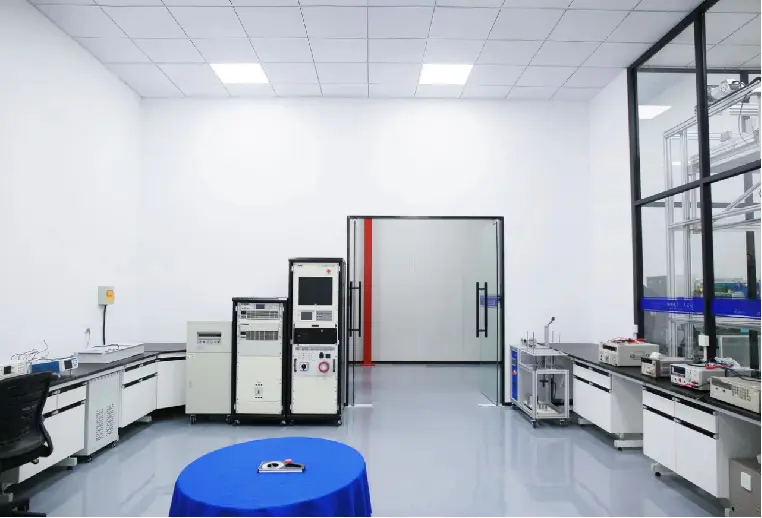
JJR LAB: provides standardized IEC 60068-2-5 testing, equipped with Q‑SUN xenon arc ageing chambers and UV ageing test chambers.
Email:hello@jjrlab.com
Write your message here and send it to us
 What is Recycling of WEEE
 What is PPWR Packaging Compliance
What is Extended Producer Responsibility
What is PPWR Packaging Compliance
What is Extended Producer Responsibility
 Children's Toy Compliance: Avoiding CPSC Recalls
 Export Electric Blanket Compliance: Preventing CPS
 What is LFGB Certification Meaning
 EU Food Contact Materials (FCM) EC 1935/2004 Stand
 LFGB Germany Food Contact Materials Official
Leave us a message
24-hour online customer service at any time to respond, so that you worry!