



RCM Certification Process & Costs for Panoramic Cameras
Panoramic cameras exported to Australia and New Zealand are mandatorily required to obtain rcm certification, covering safety, EMC and radio frequency tests. An Australian local responsible party must complete EESS registration. The overall lead time is 3-6 weeks. The certification includes 7 procedures, with costs ranging from  2300. Please make sure to select a NATA-accredited laboratory and affix the rcm mark in compliance with regulations.
Panoramic cameras sold to Australia and New Zealand need mandatory RCM access certification, which consists of three major tests: electrical safety, EMC and radio communication (if applicable). EESS registration shall be finished by a local responsible entity, and the whole process takes approximately 3-6 weeks.
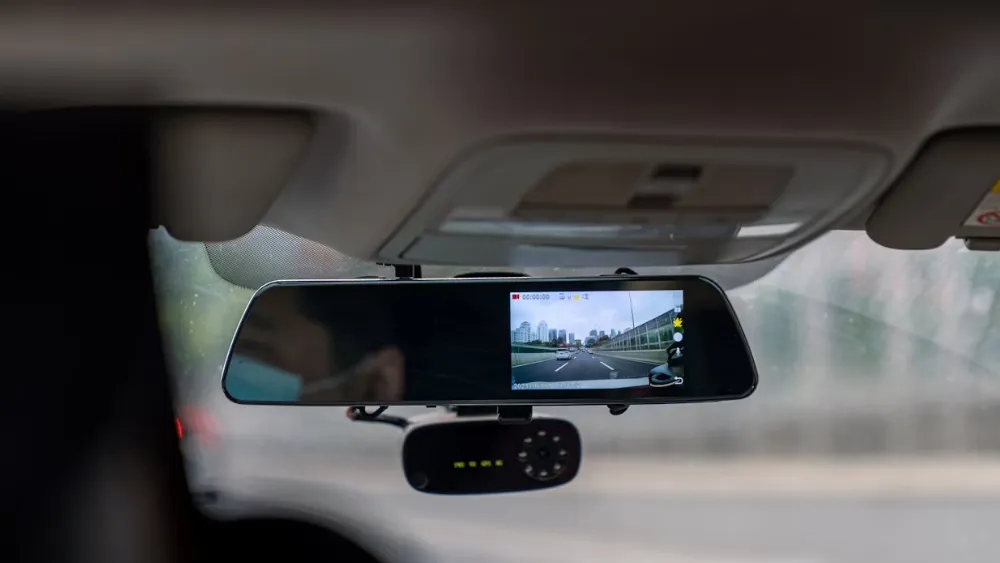
RCM Certification Requirements for Panoramic Cameras
Panoramic cameras are classified as Level 3 Mandatorily Controlled Electronic Products, which must comply with three core compliance modules:
1. Electrical Safety (saa): AS/NZS 62368.1 (General safety standard for IT/AV equipment)
2. Electromagnetic Compatibility (EMC): as/nzs cispr 32/35 (Radiated emission, conducted emission and immunity tests)
3. Radio Communication (If Applicable): ACMA Standards (Wi-Fi, Bluetooth, 5G including spectrum compliance)
Complete RCM Certification Process (7 Steps)
1. Preparatory Work (1-2 Days)
• Confirm the responsible supplier: Must be a local Australian company with an ABN or a New Zealand entity with an IRD. Overseas manufacturers are not allowed to apply directly.
• Document preparation (in English):
○ Product specification, circuit schematic diagram and BOM list
○ User manual in English (including safety warnings)
○ Certification documents of key components (power supply, radio modules, etc.)
○ Nameplate & label design draft (marking the position of the rcm logo)
• Sample preparation: 2 to 3 complete product units
2. Standard Review & Pre-Testing (1 Week)
• The laboratory confirms applicable standards and test items.
• Conduct preliminary testing to identify and rectify potential non-conformities in advance.
3. Formal Testing by JJR LAB (2-4 Weeks)
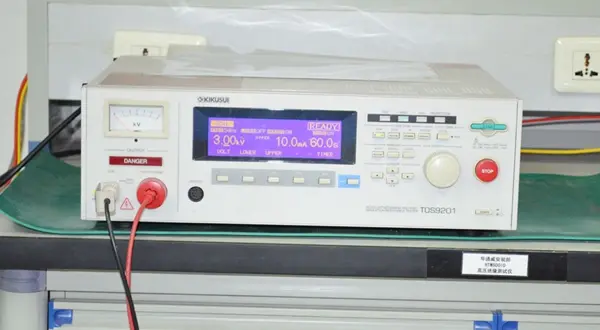
• Safety Tests: Insulation, withstand voltage, earthing, temperature rise, electric shock protection and enclosure strength.
• emc tests: Radiated disturbance, conducted disturbance, electrostatic discharge, surge and electrical fast transient burst.
• Radio Tests (If Applicable): Transmit power, spectrum, frequency stability, spurious emission and receiver sensitivity.
• Issue test reports accredited by NATA/ILAC after all tests are passed.
4. Document Submission, Review & Certification (1-2 Weeks)
• Submit test reports and technical files to Australian certification bodies (e.g. SAI Global, TÜV).
• An rcm certificate will be issued upon successful review. Certificate validity options: 1 year, 3 years or 5 years.
5. EESS System Registration (3-5 Days)
• The local responsible party logs in to the EESS platform for registration.
• Upload required files: RCM certificate, safety/EMC/radio test reports, Declaration of Conformity (DoC) and ABN information.
• Pay annual fee: Approximately 75 Australian dollars per product per year.
• Obtain the EESS registration code (Format: NXXXXX).
6. Marking & Compliance Implementation
• Permanently mark the product body with: RCM logo (≥3mm in height), EESS registration code, product model and responsible party information.
• Apply the above markings on product packages and user manuals as well.
7. Post-Certification Maintenance
• Annual supervision: Cooperate with random inspections and update registration information timely.
• Change management: Re-evaluation and re-testing are required for modifications on product design, key components or manufacturing location.
• Certificate renewal: Apply for renewal 3 months prior to certificate expiry.
Lead Time & Cost Reference
• Total lead time: Standard process 3-6 weeks; expedited service 2-3 weeks.
• Costs: 2300 per model (Safety + EMC only); 4500 per model (with radio functions).
• Certificate validity: 1 / 3 / 5 years optional. Annual EESS fee is required every year.
Common Pitfalls to Avoid
• No local responsible party: Entrust an Australian company with a valid ABN to act as the responsible entity.
• Unrecognized test reports: All tests must be conducted by a NATA/ILAC-accredited laboratory.
• Non-compliant radio modules: Built-in Wi-Fi / Bluetooth modules require separate ACMA certification.
• Non-standard marking: The height of the RCM logo shall be no less than 3mm, and the registration code must be clearly legible.
Email:hello@jjrlab.com
Write your message here and send it to us
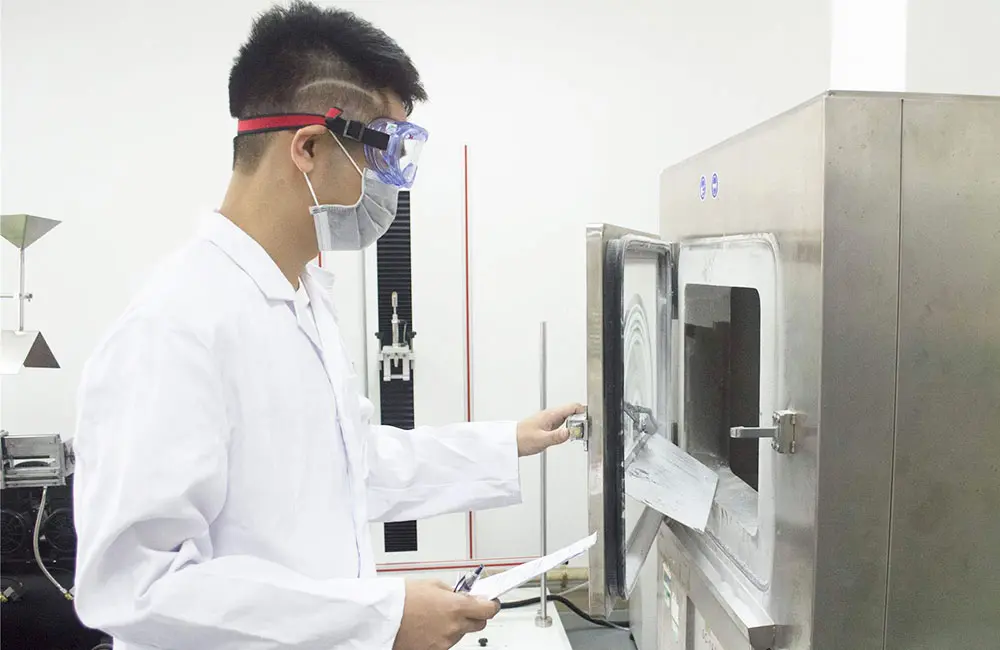 IEC 62133-2 Lithium Battery Testing Laboratory
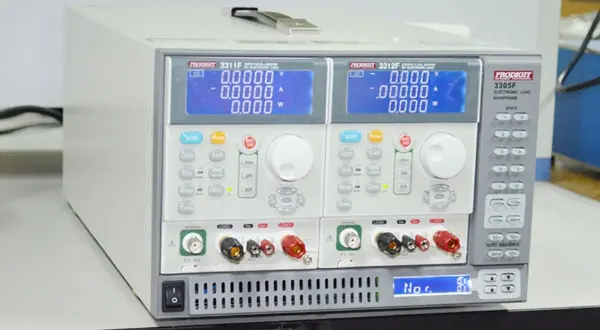 EN 55032 and EN 55035 Testing Laboratory
 FCC ID testing lab for Bluetooth earbuds
How to get an FCC ID and How Much Does It Cost
What is the EN 300 328 Testing Standard
FCC ID testing lab for Bluetooth earbuds
How to get an FCC ID and How Much Does It Cost
What is the EN 300 328 Testing Standard
 Amazon TIC Lithium Battery Appliance UL 60335-2-29
What is the Difference Between EU PPWR and EPR?
Amazon TIC Lithium Battery Appliance UL 60335-2-29
What is the Difference Between EU PPWR and EPR?
 What is Japanese METI Registration
Leave us a message
24-hour online customer service at any time to respond, so that you worry!