



Is ASTM F963 Testing for Children's Toys Exported to the US?
Recently, another domestic toy factory had its entire shipment detained by US customs for failing to conduct astm f963 testing, resulting in a direct loss of hundreds of thousands of yuan! Today, I will share with you exactly how to carry out ASTM F963 testing to help you avoid such pitfalls.
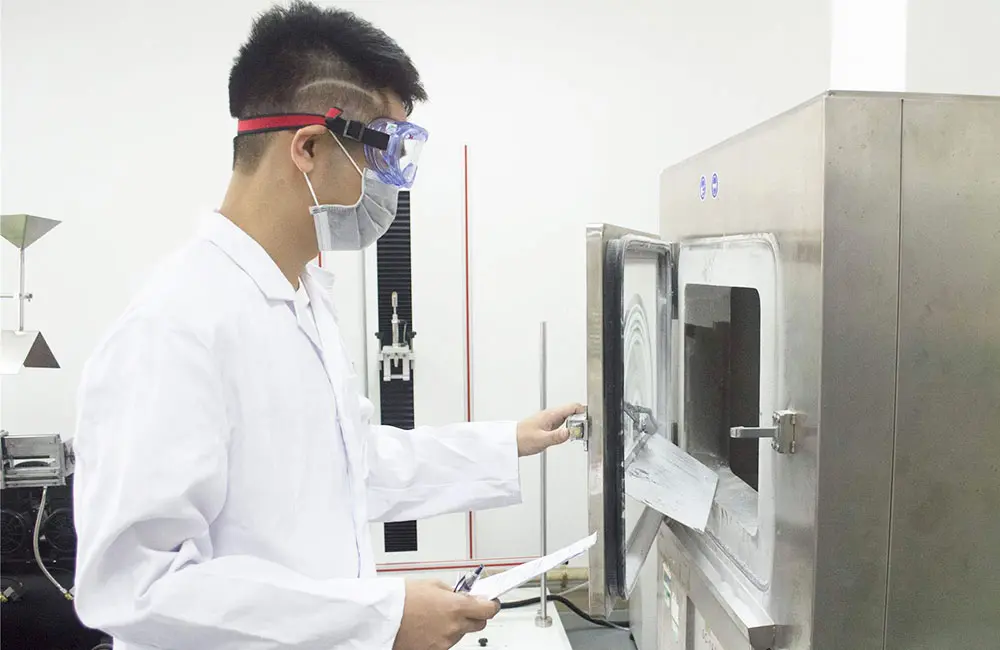
What is astm f963 testing?
Simply put, it is a mandatory safety inspection imposed by the US on toys, mainly checking the following aspects:
① Whether it may cause cuts to children (sharp points and edges)
② Whether it poses a choking hazard due to small parts
③ Whether it is flammable (combustion performance)
④ Whether it contains toxic substances (chemicals such as lead and plasticizers)
Can we skip this test?
Absolutely not! It is a legal requirement enforced by US law. Toys that fail to pass this test will not even be allowed through customs!
Which Toys Are Subject to This Test?
Toys that must be tested
① Children's toys designed for kids under 12 years old (including all materials such as plush, plastic, and metal)
② Battery-powered electric toys
③ Toy packaging (plastic bags also need to be tested for choking hazards!)
Toys exempt from testing
① Products intended for users aged 14 and above (e.g., collectible models)
② Pure stationery items (but "toy-like stationery" still requires testing)
Key Focus Areas of the Test
Physical Safety (the most common cause of non-compliance)
① Small parts test: Using a "choking test cylinder" (3cm in diameter) to simulate a child's throat
② Sharp points and edges test: Inspecting all corners and edges with professional equipment
③ Tensile test: Simulating the force exerted by children when pulling toys (35N)
Combustion Performance
① Plush toys that burn too quickly will be deemed non-compliant directly!
② Chemical fiber materials that drip burning debris are also not acceptable!
Chemical Safety
① Lead content must not exceed 100ppm (10 times stricter than domestic standards)
② Plasticizer content (e.g., DEHP) must not exceed 0.1%
Cost-effective Testing Process
Step 1: Select a Testing Laboratory
Choose an institution accredited by the CPSC (e.g., Huabiao Testing). Be sure to confirm the following in advance:
① Whether it tests to the latest version ASTM F963-23
② Whether it accepts series applications (toys of the same material with different colors can save testing costs)
Step 2: Sample Submission Tips
(1) Disassemble the toy and submit each component separately (do not submit the whole toy)
(2) Focus on testing the following parts:
① Colored paints (a high-risk area for excessive lead content)
② Soft rubber components (high risk of plasticizer non-compliance)
③ Battery compartments (prone to heavy metal issues)
Step 3: Review the Test Report
① Pass: Obtain the "customs clearance certificate" (it is recommended to get multiple copies for backup)
② Fail: The report will clearly specify the exact non-compliant items (e.g., "excessive lead content in red paint")
Hard-learned Lessons: Pitfalls to Avoid at All Costs
① Using cheap recycled plastics: Plasticizer content will exceed the limit in no time
② Neglecting packaging bags: Thin plastic bags will be directly judged as a choking hazard
③ Using counterfeit certifications: US authorities conduct random online purchase inspections; violators will be blacklisted permanently
④ Assuming plush toys are exempt from testing: Fillings also need to pass combustion tests!
Practical Recommendations for Sellers
① Prepare 2 months in advance: Testing and rectification may take that long
② Manage the supply chain strictly: Ask suppliers to provide raw material test reports
③ Keep samples properly: US market regulators may conduct random inspections at any time
We have recently helped several clients pass the test successfully. For specific quotes or testing checklists, please contact China JJR Laboratory. We are an IEC/ISO 17025-accredited laboratory with CMA and CNAS qualifications.
Email:hello@jjrlab.com
Write your message here and send it to us
 How to get an EN 301 893 test report?
 What is EN 301 893 Certification Compliance
 What is the CSA 62368-1 Standard?
 Canadian Pacifier Compliance SOR/2016-184
 US Agent for FCC & EC REP for CE: Compliance R
 What is Recycling of WEEE
 What is PPWR Packaging Compliance
What is Extended Producer Responsibility
What is PPWR Packaging Compliance
What is Extended Producer Responsibility
Leave us a message
24-hour online customer service at any time to respond, so that you worry!