



MEMS Microphone Device AEC-Q103 Certification Testing
What is AEC-Q103 Certification?
AEC-Q103 is a reliability-based testing and certification standard established by the Automotive Electronics Council (AEC) for vehicle MEMS characteristics. It primarily evaluates the performance, reliability, and durability of automotive sensors. Sensors that pass the AEC-Q103 certification demonstrate high reliability and stability, meeting the stringent requirements of automotive electronic components.
Previously, MEMS (Micro-Electro-Mechanical Systems) devices followed the AEC-Q100 standard for automotive-grade certification. The introduction of the AEC-Q103 standard provides more targeted requirements for the automotive sensor industry, improving and enhancing the testing standards for in-vehicle sensors. It also makes automotive-grade certification for MEMS more reasonable and standardized.
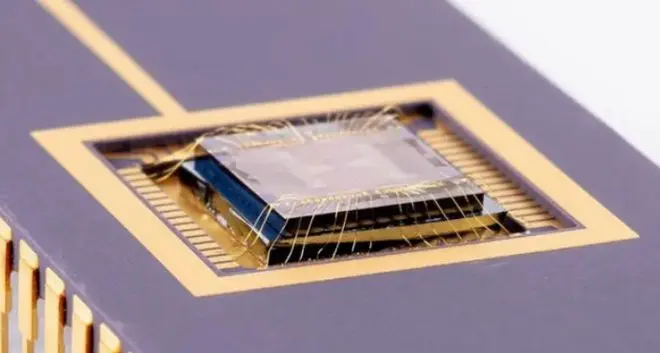
Applicable Products for AEC-Q103 Certification:
- MEMS Pressure Sensors (AEC-Q103-002)
- MEMS Microphones (AEC-Q103-003)
China JJR Laboratory is a professional third-party testing agency for AEC-Q103 certification. The laboratory is accredited with full testing qualifications under the AEC-Q103-003 Rev: 2019 standard by CNAS and is authorized by CNCA to issue certificates. It provides AEC-Q103 certification testing services for MEMS microphone devices.
MEMS Microphone Device AEC-Q103 Certification Test Items
Group M: Microphone-Specific Tests
- M1: Temperature and humidity cycling
- M2: Low-temperature operating life
- M3: Low-temperature storage
- M4: Maximum stress test
- M5: Durability life
- M6: Frosted temperature and humidity cycling
- M7: Salt spray test
- M8: Dust contamination
Group A: Accelerated Environmental Stress Tests
- A2: Temperature and humidity bias
- A3: Temperature and humidity (no bias)
Group G: Cavity Package Integrity Tests
- G1: Mechanical shock
- G2: Variable frequency vibration
- G5: Package drop test
Process for Obtaining an AEC-Q103 Certification Test Report
1. Initial Consultation:
Provide product specifications, required testing items, and test parameter requirements.
2. Evaluation and Quotation:
Evaluate the requirements, sample specifications, and parameters to prepare a quotation.
3. Fill in Authorization Form:
Submit a testing application to China JJR Laboratory and complete the authorization form (with guidance).
4. Payment and Submission of Samples:
Make payment according to the agreed quotation and provide sufficient samples and product documentation as required.
5. Testing Arrangement:
Conduct testing on the product as per the authorization requirements.
6. Report Issuance:
Prepare a report based on the test data and return the report, invoice, and samples to the client.
Email:hello@jjrlab.com
Write your message here and send it to us
 What is the ASTM F2167 Certification Test?
 What is the ASTM F2050 Certification Test?
 What is ASTM F1967 Certification Testing? How to g
 What is the ASTM F1917 Certification Test?
 How to get ASTM F1821 Certification
 What is the ASTM F1821 Testing Standard?
 Electronic Products Safety Testing Laboratory
 HAC Hearing Aid Compatibility Testing
Leave us a message
24-hour online customer service at any time to respond, so that you worry!