



What is LFGB Certified Silicone Kitchenware
German LFGB Food Contact Material Testing, certification requirements for the safety of migrants in silicone kitchenware (e.g., spatulas), including regulatory framework, test items, application process and precautions:
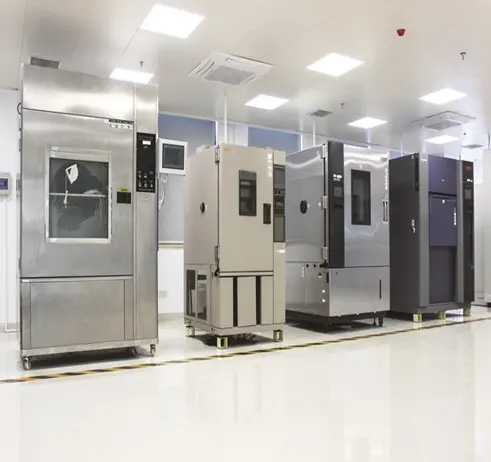
What is the LFGB Regulation
Full name: Lebensmittel- und Futtermittelgesetzbuch (German Food and Feed Code)
Scope of application: All Food Contact Materials (FCM), including plastics, silicone, metals, coatings, etc.
Objective: To ensure that materials do not release harmful substances into food during use and pose no risk to consumer health.
Legal Basis:
1. LFGB §30: Food contact materials must not release harmful substances to the human body.
2. German Federal Institute for Risk Assessment (BfR) recommendation: BfR Recommendation XXI for silicone materials.
3. EU 1935/2004/EC: Framework regulation for materials and articles intended to come into contact with food.
German LFGB Testing mainly verifies whether the migrants of food contact materials are safe under normal conditions of use.
Main Safety Concerns for Silicone Kitchenware
Silicone spatulas and other kitchenware may involve the following risks:
4. Migration of small molecular organic compounds
Volatile organic compounds (VOCs), low-molecular-weight siloxanes
May affect food taste or pose health risks
1. Heavy metal migration
Lead, cadmium, tin, etc., especially in colored silicone
2. High-temperature resistance of food contact surfaces
Spatulas may directly contact high-temperature oil or water; material stability above 200°C must be verified
3. Residual additives
Migration risks of fillers, colorants, flame retardants, etc.
lfgb test Items
3.1 Simulated Food Migration Testing (Overall & Specific Migration)
Overall Migration (OM)
Measures the total amount of substances released from the material into food simulants.
Common simulants:
• Water
• 3% acetic acid
• 10% ethanol
• 95% ethanol (for fatty food simulation)
Specific Migration (SM)
Targets specific substances, such as:
• Heavy metals (Pb, Cd, Hg, Sn, etc.)
• Monomers, plasticizers, low-molecular-weight siloxanes
LFGB §30 emphasizes that no migrant shall exceed the safe limit.
3.2 Supplementary Tests
• High-temperature resistance test (simulating stir-frying, boiling, baking environments)
• Mechanical/chemical stability (oil resistance, acid resistance, alkali resistance)
• Sensory test: migrants must not alter the taste or odor of food
Testing and Certification Process
Step 1 Select a German Accredited Laboratory
Must be a laboratory with LFGB §30 food contact material testing qualification.
Recommended institution: JJR LAB
Step 2 Submit Samples and Documents
• Provide physical product (silicone spatula)
• Material description, production process, operating temperature, color and additive information
• Description of simulated food use conditions (temperature, contact time)
Step 3 Simulated Migration Testing
Perform overall migration and specific migration tests according to German LFGB methods.
Special attention for high-temperature or oily food simulants.
Step 4 Generate Test Report
The report includes:
• Test methods (LFGB §30 / BfR XXI / DIN EN 1186 series)
• Test results and limit comparison
• Conclusion: compliance with LFGB food safety requirements
Step 5 Issue lfgb certificate / Test Report
LFGB Test Reports can be used for:
• Sales in the German market
• Filing in other EU countries
• Building confidence among consumers and retailers
Value of German LFGB for Silicone Kitchenware
• Ensures migrant safety
Protects consumer health and avoids intake of harmful substances
• Improves product market recognition
German retailers and e-commerce platforms usually require LFGB or BfR reports
“LFGB tested” or “BfR compliant” labels can be attached
• Complies with EU overall regulations
LFGB test reports are often used as compliance proof for EU 1935/2004/EC
• Reduces export risks
Prevents returns, removals or fines due to excessive migrants
Precautions
• Tests shall select simulated food media and temperatures according to actual use conditions.
• Extra attention to heavy metal migration for colored silicone, printed patterns and coated surfaces.
• LFGB §30 testing is a German-specific requirement, but can be combined with EU 1935/2004/EC testing to avoid duplicate tests.
Summary
LFGB §30 testing is an important basis for food contact safety of silicone kitchenware.
Core focus: Overall Migration (OM), Specific Migration (SM), high-temperature resistance, chemical stability.
Qualified testing provides an LFGB test report, enhancing consumer confidence and supporting sales in Germany and the EU.
Certification process: Submit samples → Simulated migration testing → Analysis report → Issue LFGB compliance report.
Email:hello@jjrlab.com
Write your message here and send it to us
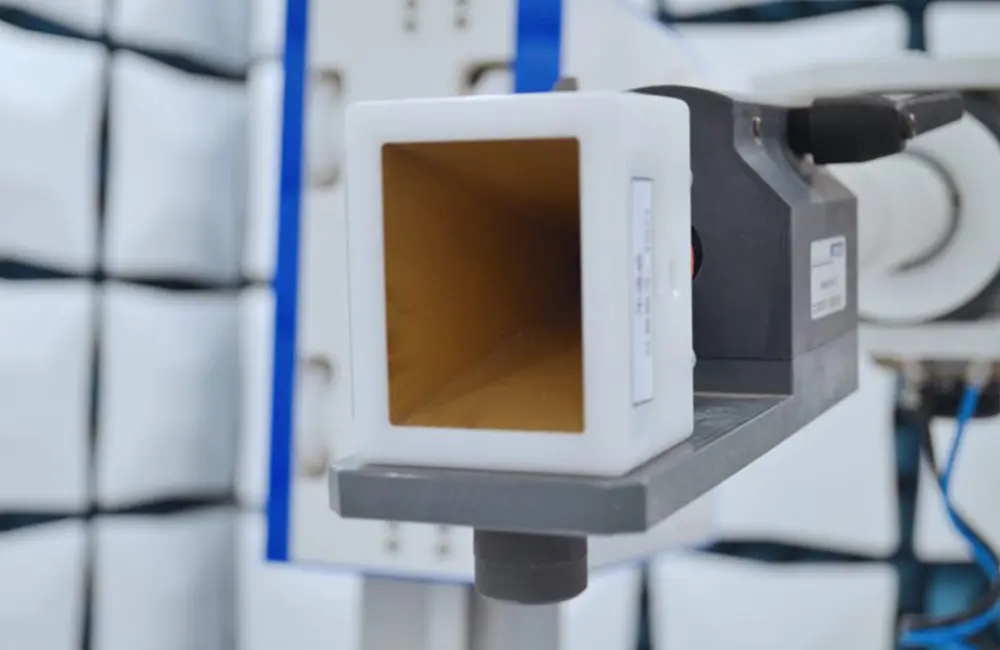 What is the Amazon UL 1642 Test Standard?
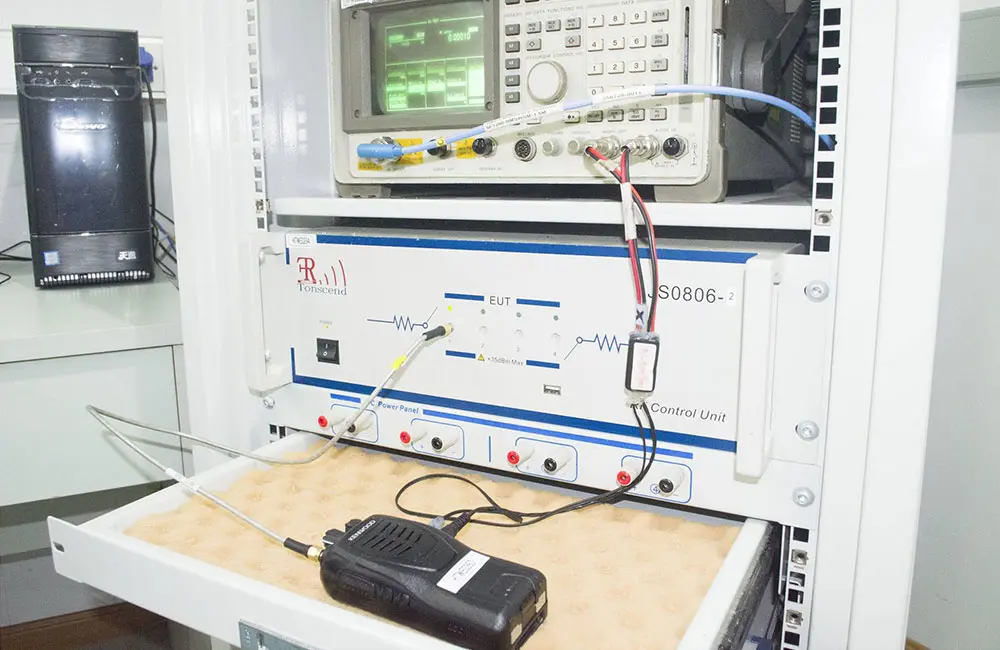 How to get a UL 1642 Test Report?
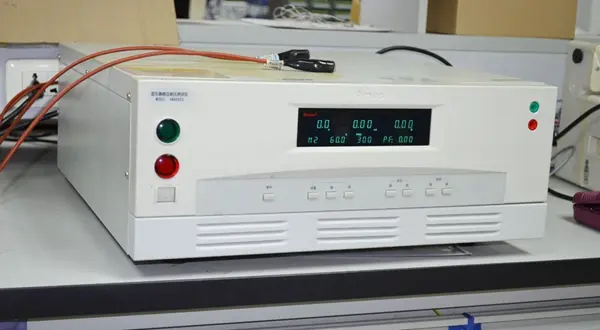 What is UL 1642 Compliance Certification?
 What Is Amazon's UL 60335 Standard
 How to get a UL 60335 Test Report
What is UL 60335 Certification Compliance?
What is EN 61000 Certification Compliance?
How to get a UL 60335 Test Report
What is UL 60335 Certification Compliance?
What is EN 61000 Certification Compliance?
 How to get an EN 61000 Test Report?
Leave us a message
24-hour online customer service at any time to respond, so that you worry!