



Car Refrigerator Australia RCM Certification Fee
Electrical products exported to Australia mainly include household appliances and automotive electrical appliances such as car refrigerators. If your electrical products are exported to Australia, you must complete rcm certification.
The cost for JJR to obtain the Australia rcm certificate for car refrigerators is approximately AUD 6,000. As an ISO/IEC 17025 accredited laboratory, our fees are 40% lower than those of agencies.
RCM certification covers multiple regulatory frameworks, including electrical safety, telecommunication safety, EMC safety, electromagnetic energy safety, and radio safety. This post will analyze in detail how a household appliance or an automotive electrical appliance can comply with RCM requirements.
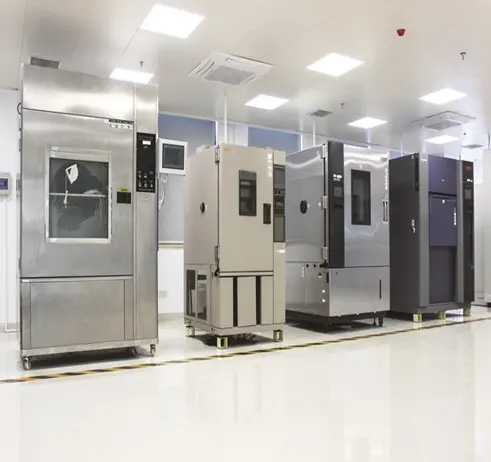
How Electrical Products Comply with RCM Requirements
1. Determine the applicable regulations based on product functions.
For example, Bluetooth headsets have a voltage that does not meet the 50V AC or 120V DC required by the safety framework, so they do not need to comply with electrical safety regulations. Bluetooth headsets involve electromagnetic compatibility, so they must comply with EMC safety regulations. Although Bluetooth headsets are close to the human body, their frequency is below 20kHz, which does not fall within the 100kHz–300GHz frequency range required by the electromagnetic energy framework, so they do not need to meet electromagnetic energy safety requirements. However, Bluetooth headsets involve radio transmission and must comply with radio safety regulations.
2. Confirm whether previously tested regulations can be referenced.
Most products exported to Australia have already been marketed in other markets and obtained local certificates or test reports. Many countries and regions directly adopt or reference IEC (International Electrotechnical Commission) or EN (European Standard) regulations, and Australia is no exception. For example, regulations under the EMC safety framework and radio framework mostly adopt EN and IEC standards, and relevant reports can usually be referenced directly.
3. Confirm the final supplementary regulatory reports required.
Regulations under the safety framework, electromagnetic energy framework, and telecommunication framework mostly adopt Australian and New Zealand (AS/NZS) standards. In most cases, retesting and new reports are required. Some regulations can be handled via difference testing or analysis based on existing IEC reports.
For example, an automotive millimeter‑wave radar that has obtained the EU CE‑RED certificate before export to Australia complies with the following regulations:
Requirement | Regulations |
EMC | EN 301 489‑1 V2.2.3, EN 301 489‑51 V2.1.1 |
Health | |
RF | EN 301 091‑1 V2.1.1 |
Safety | EN iec 62368‑1:2020 + A11:2020 |
Among them, EMC and RF already meet Australian regulatory requirements. The Safety part is exempt due to voltage conditions. Therefore, only an AS/NZS 2772.2 report under the Australian electromagnetic energy standard is needed to fulfill RCM requirements.
4. Arrange sample testing and obtain supplementary test reports.
5. If the product falls under Level 3 in electrical safety, submit documents to an officially authorized body for approval and obtain an electrical safety certificate first.
6. Compile all documents and complete product registration in the EESS Registration Database or issue a sdoc.
According to RCM regulations, an Australian local agent company is mandatory for RCM Registration in Australia. Collect existing test reports, supplementary test reports, and product documents, log in to the EESS Registration Database via the Australian agent’s account, and complete RCM registration.
Special Notes for Automotive Electrical Appliances
Vehicles exported to Australia, regardless of whether spare parts are exported, must complete ECE R10 testing. Any equipment on the vehicle containing radio communication transmitters must also pass corresponding radio frequency (RF), electromagnetic energy (EME), and telecommunication regulatory tests.
Services Provided by JJR
1. Determine regulatory frameworks and required supplementary test reports
2. Develop a complete project schedule
3. Conduct product testing and issue reports
4. Apply for safety certificates and complete RCM registration
JJR LAB specializes in market access research and certification for automotive components and consumer products in Europe, America, Australia, and New Zealand, providing one‑stop market access and certification services.
Email:hello@jjrlab.com
Write your message here and send it to us
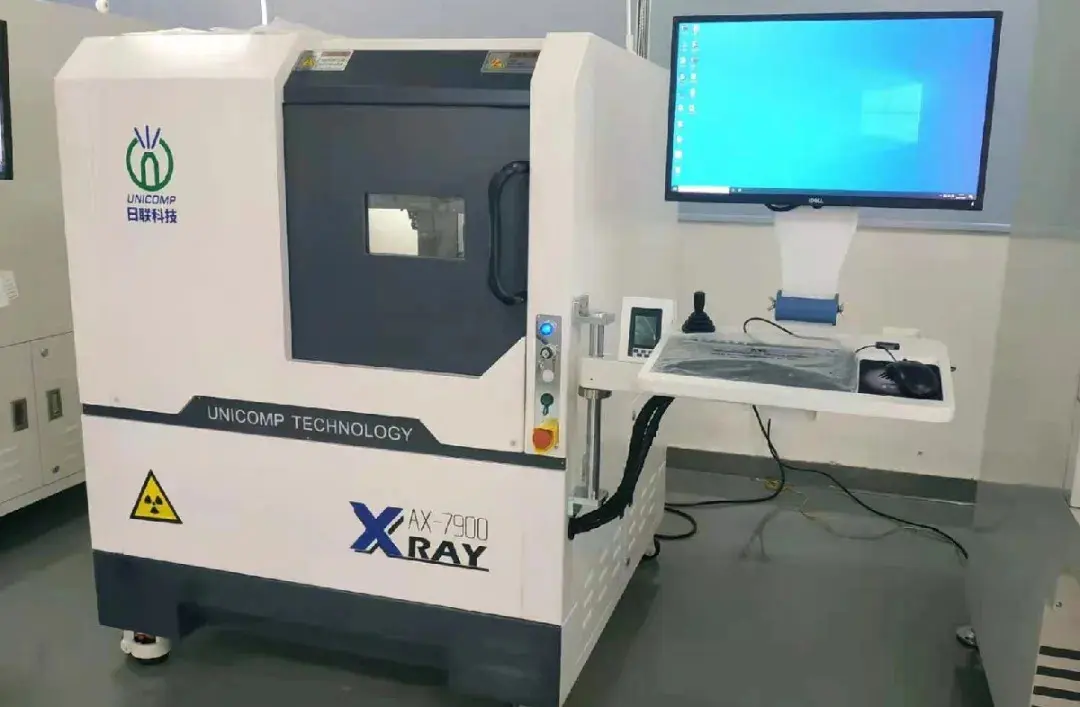 FDA Requirements for Biocompatibility under ISO 10
 Amazon Spain WEEE Compliance Deadline: September 3
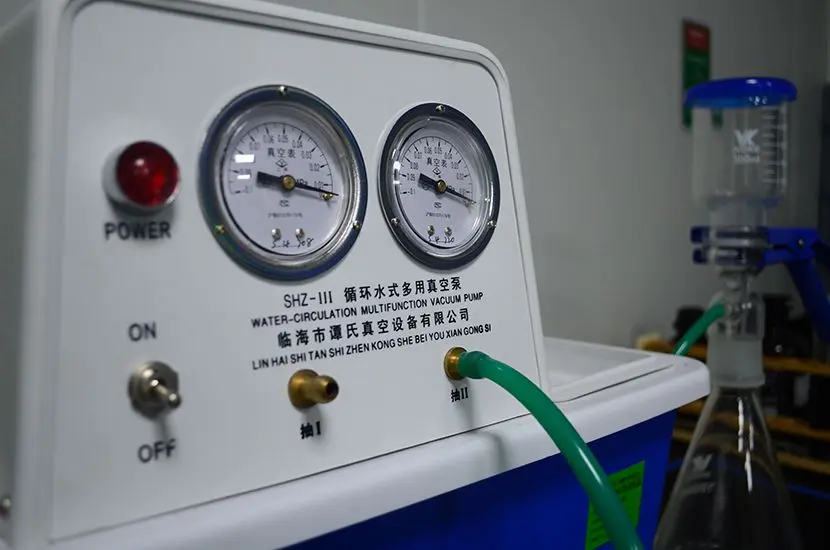 What is the ASTM F2264 Certification Test?
 What is ASTM F2194 Certification Testing?
 What is the ASTM F2167 Certification Test?
 What is the ASTM F2050 Certification Test?
 What is ASTM F1967 Certification Testing? How to g
 What is the ASTM F1917 Certification Test?
Leave us a message
24-hour online customer service at any time to respond, so that you worry!