



How much is the Japan MIC certification fee for Bluetooth products?
Sellers of wireless products for cross-border sales to Japan, please note!
Goods detained, Listing removed, fines up to 5 million JPY — most issues are caused by the lack of telec certification (MIC compliance).
This is a mandatory threshold for wireless products entering the Japanese market, and an essential “passport” for customs clearance and legal sales.
We currently charge 2330 USD for Japanese Mic certification, test reports and certificates for Bluetooth product clients.
Lead time: 4 weeks; 40% lower than official institutions.
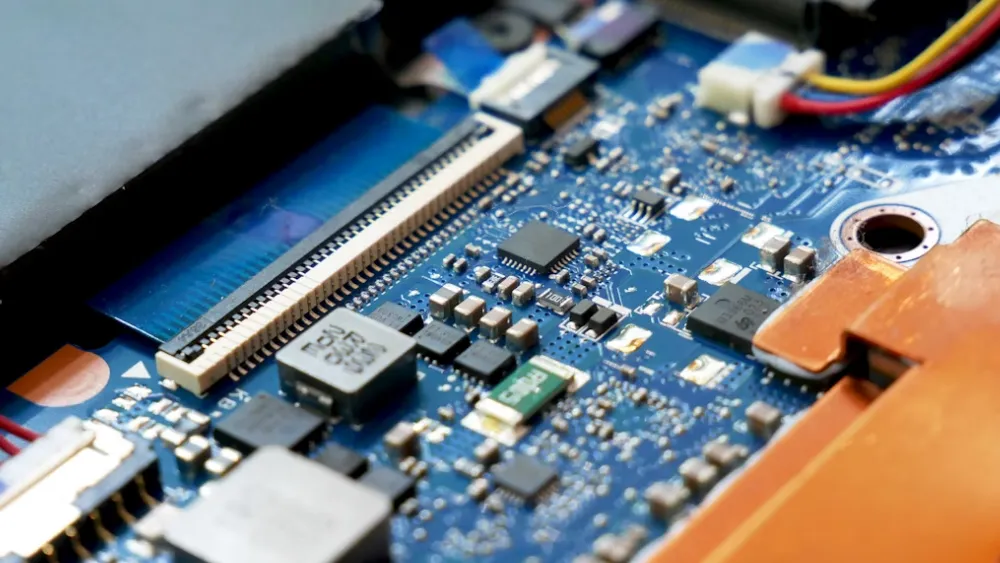
What is TELEC Certification?
Many sellers confuse TELEC and giteki certification. In fact, they are essentially the same:
giteki is the legally mandatory certification for radio equipment in Japan (regulated by MIC), and TELEC is the main certification body.
It is commonly known as TELEC certification in the industry.
Core Requirement:
All wireless transmitting devices sold or used in Japan, whether manufactured locally or imported, must pass TELEC certification and be marked with the 「技適マーク」 (giteki mark). Otherwise, they are non-compliant.
Which Products Must Apply? (High-Frequency Categories)
Judgment Standard:
Products with wireless transmitting functions require certification; those with receiving functions only are exempt.
High-frequency categories include:
Short-Range Wireless
Bluetooth headsets, Bluetooth speakers, Wi-Fi routers, wireless cameras, etc.
Mobile Communication
2G–5G mobile phones, smart watches, kids’ GPS watches, etc.
(5G products must support Japanese local frequency bands.)
Special Terminals
Walkie-talkies, wireless microphones, drone remote control systems, etc.
Smart Home
Smart sockets, door locks, robotic vacuums (with wireless functions), etc.
⚠️ Reminder:
Products with both wireless and wired functions must comply with both TELEC and JATE certifications.
Why Is It Mandatory?
Required for Customs Clearance
Without certification, goods will be detained by customs, resulting in high demurrage fees.
Platform Compulsory Requirement
Amazon, Rakuten and other platforms require the certification number to be displayed.
Otherwise, Listings will be removed and stores may be suspended.
Legal Risks
Violation of the Radio Act may result in fines up to 5 million JPY and even a ban from the Japanese market.
TELEC Certification Process
1. Confirm Scope and Standards
Confirm the product is a wireless transmitting device, match the corresponding frequency band and ARIB standards.
Non-Japanese companies must appoint a local representative and provide a power of attorney.
2. Prepare Documents and Samples
Core documents: application form, business license, local representative power of attorney, technical specifications, circuit schematics, Japanese user manual, label design drawings, and 2–3 prototype samples.
3. Testing, Review and Certification Issuance
Pre-test to identify issues first, then submit to an MIC-recognized laboratory for formal testing (3–4 weeks).
After passing the test, review (1–3 weeks) and certificate issued within 3–5 working days.
6 Common Mistakes to Avoid
1. Using fcc / CE reports to replace TELEC reports (invalid; only reports from MIC-designated laboratories are accepted).
2. Non-Japanese companies not appointing a local representative (application will be rejected directly).
3. Non-standard labeling (no Giteki Mark, no certification number, or non-compliant label size).
4. Not re-certifying after product changes (hardware or software changes invalidate the original certification).
Ignoring frequency band / power limits (e.g., 2.4GHz transmission power ≤ 10mW; violations cause test failure).
Email:hello@jjrlab.com
Write your message here and send it to us
 What is the ASTM F2264 Certification Test?
 What is ASTM F2194 Certification Testing?
 What is the ASTM F2167 Certification Test?
 What is the ASTM F2050 Certification Test?
 What is ASTM F1967 Certification Testing? How to g
 What is the ASTM F1917 Certification Test?
 How to get ASTM F1821 Certification
 What is the ASTM F1821 Testing Standard?
Leave us a message
24-hour online customer service at any time to respond, so that you worry!