



Testing for Toys Exported to Australia AS/NZS ISO 8124.3
To export toys to Australia, products must comply with the Australian/New Zealand toy safety standard as/nzs iso 8124.3:2021 (the latest version). This standard primarily focuses on the migration of specific elements, namely the limits on the content of soluble harmful heavy metals in toy materials.
Below are the detailed test items and standard procedures:
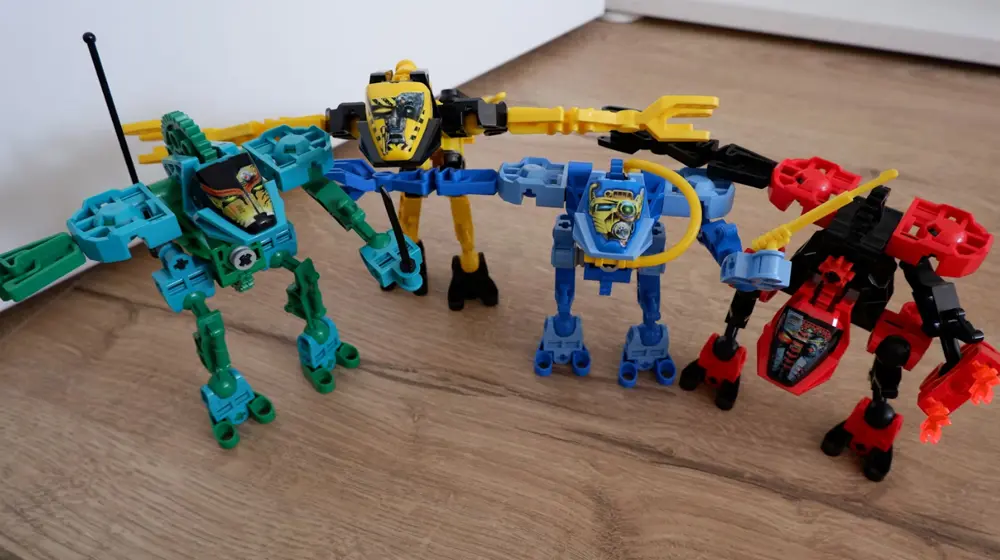
Core Test Items (Limits on Migration of Specific Elements)
This standard specifies migration limits for eight types of soluble harmful elements in toy materials. Tests are conducted based on different categories of toy materials:
1. Test Elements and Limit Requirements (Unit: mg/kg)
① Antimony (Sb): ≤ 60
② Arsenic (As): ≤ 25
③ Barium (Ba): ≤ 1000
④ Cadmium (Cd): ≤ 75
⑤ Chromium (Cr): ≤ 60
⑥ Lead (Pb): ≤ 90
⑦ Mercury (Hg): ≤ 60
⑧ Selenium (Se): ≤ 500
2. Testing by Material Category
① Category 1: Dry, brittle, powder-like or flexible toy materials (e.g., chalk, foam toys).
② Category 2: Liquid or viscous toy materials (e.g., finger paints, slime, bubble solution).
③ Category 3: Scrapable toy materials (e.g., coatings, paints, varnishes, inks, polymers, etc.). This is the most common category, covering all toys with coated or plastic components.
Complete Compliance Process
Step 1: Determine Product Scope and All Applicable Standards
AS/NZS iso 8124.3 is only one of the mandatory standards. Full toy compliance usually also requires meeting the following standards:
① AS/NZS ISO 8124.1: Safety of mechanical and physical properties (e.g., small parts, sharp points, sharp edges, projectile toys, etc.).
② AS/NZS ISO 8124.2: Flammability safety (e.g., burning rate of plush toys).
③ AS/NZS 62115: Safety of electric toys (if the toy is electrically driven or has electrical functions).
In addition, toys must comply with the general safety requirements of the Australian Consumer Law.
Step 2: Sample Preparation and Material Classification
① Extract representative samples from the batch products.
② Disassemble and classify the toys according to the three material categories mentioned above (e.g., separate plastic components, coatings, inks, etc.).
Step 3: Laboratory Testing
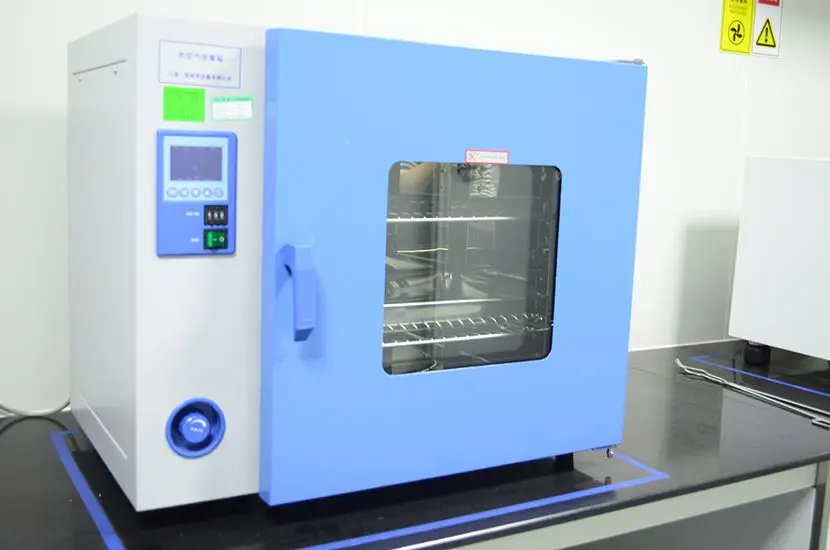
① The laboratory simulates the gastric fluid environment of children (using 0.07mol/L hydrochloric acid solution) and extracts sample materials at a temperature of (37±2) °C for a specified period of time.
② Analyze the content of the eight soluble elements in the extract using precision instruments (e.g., ICP-MS).
Step 4: Obtain Test Report and Declaration of Conformity (DoC)
① If all test results are below the limits, the laboratory will issue a compliant test report.
② Based on this report, manufacturers or exporters shall draft a Declaration of Conformity (DoC), stating that the product complies with AS/NZS ISO 8124.3 standard.
Step 5: Market Supervision and Continuous Compliance
① The Australian Competition and Consumer Commission (ACCC) is the main market regulatory authority, which conducts random inspections.
② It is recommended to retain test reports, declarations of conformity and all technical documents for at least 5 years for inspection purposes.
③ If there are significant changes in product design, material sources or supply chains, re-testing must be conducted to ensure continuous compliance.
Important Notes
1. Mandatory Requirements: The AS/NZS ISO 8124 series standards are mandatory in Australia. Non-compliant products will lead to severe consequences, including mandatory withdrawal from the market, recall, fines and even prosecution.
2. Age Group Differentiation: The definition of the applicable age group of toys (e.g., under 36 months) will directly affect the applicable requirements of other standards (especially the choking hazard of small parts), and must be clearly marked.
3. Other Regulations: Ensure that the toys also comply with other relevant regulations, such as requirements for battery-containing products and plastic product specifications.
4. Advance Preparation: The entire testing and certification process takes time (usually 1–2 weeks, depending on the complexity of the product), so it must be incorporated into your export plan.
Email:hello@jjrlab.com
Write your message here and send it to us
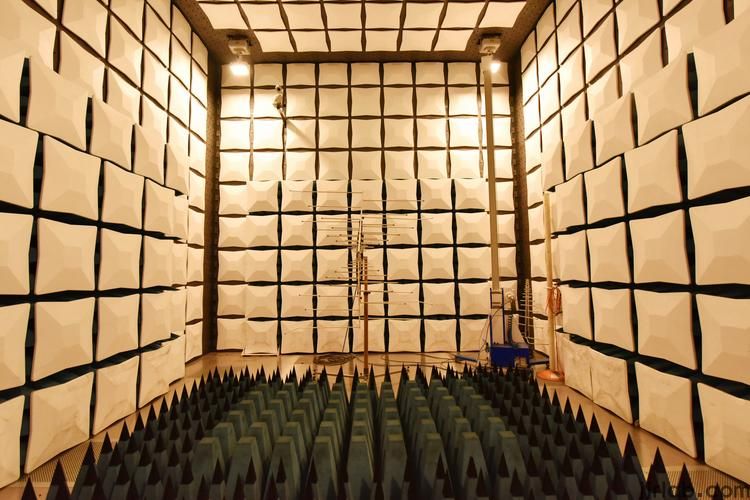 How to get an EN 301 893 test report?
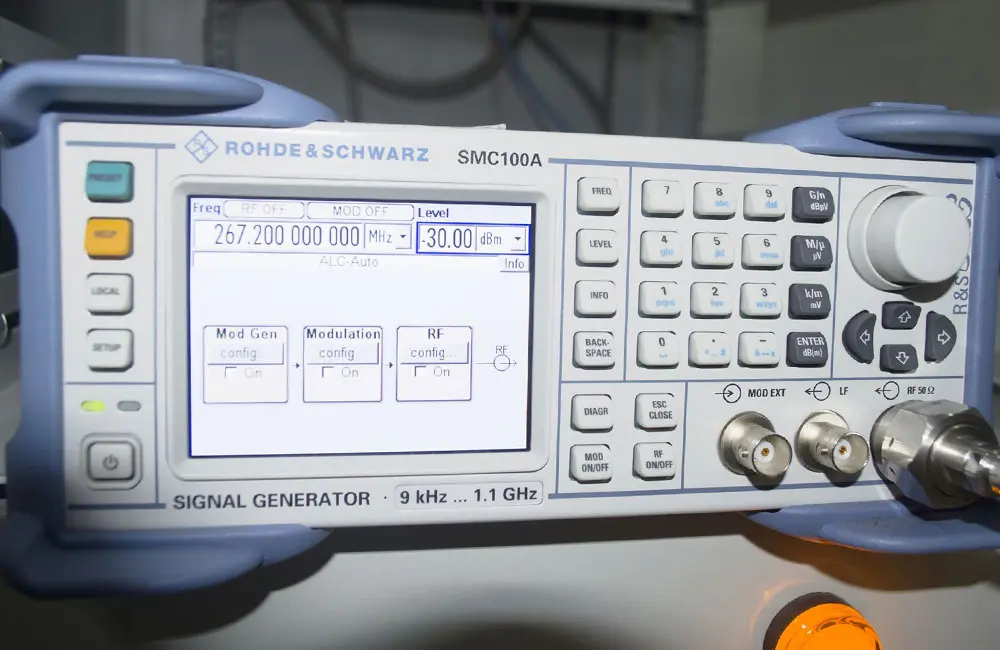 What is EN 301 893 Certification Compliance
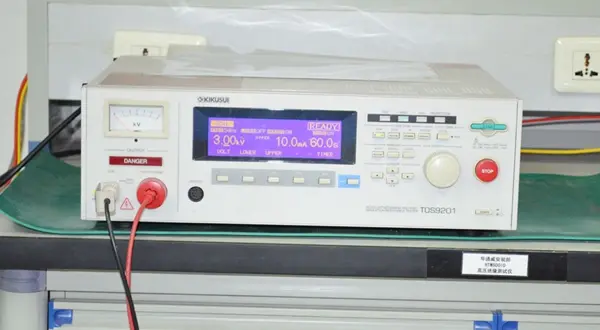 What is the CSA 62368-1 Standard?
 Canadian Pacifier Compliance SOR/2016-184
 US Agent for FCC & EC REP for CE: Compliance R
 What is Recycling of WEEE
 What is PPWR Packaging Compliance
What is Extended Producer Responsibility
What is PPWR Packaging Compliance
What is Extended Producer Responsibility
Leave us a message
24-hour online customer service at any time to respond, so that you worry!