



Testing Process for Toys Exported to the U.S ASTM F963-2023
ASTM F963 is a mandatory toy safety standard enforced by the U.S. Consumer Product Safety Commission (CPSC), and compliance is a prerequisite for accessing the U.S. market. The latest version, F963-23, came into effect in October 2023.
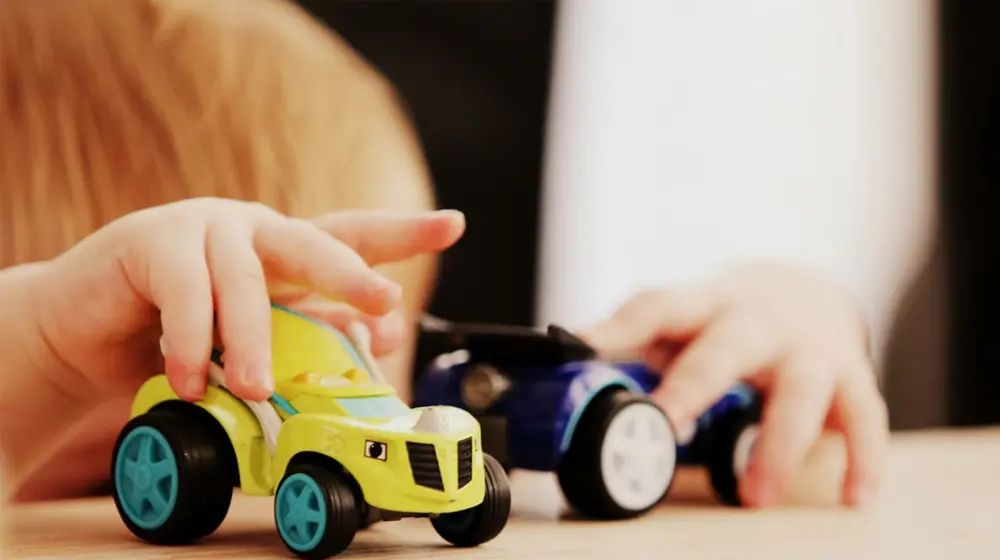
Core Testing Items (Applicable Sections Selected Based on Toy Type)
ASTM F963-2023 is a comprehensive standard covering three major categories of testing requirements as follows:
1. Physical and Mechanical Performance testing
This category is designed to prevent physical hazards such as choking, laceration, puncture, and pinching.
(1) Small Parts Test: Applicable to toys intended for children under 3 years old to prevent swallowing and choking hazards. It verifies whether components of the toy itself or those detached after use/abuse testing are sufficiently large (tested with the small parts cylinder).
(2) Sharp Edges and Points Test: Inspects accessible edges, wires, screws, and other parts of the toy to ensure no hazardous sharp edges or points are present.
(3) Abuse Testing: Simulates rough handling behaviors that children may engage in, including dropping, pulling, twisting, and biting. Specific tests include:
① Drop Test
② Torque Test
③ Tension Test (general tension, seam tension for stuffed toys)
④ Compression Test
⑤ Flexure Test
(4) Special Requirements for Infant Toys (Rattles, Teethers, Pacifiers): Stricter structural and dimensional requirements apply.
(5) Projectile Toys: Stringent limits are imposed on the kinetic energy of projectiles and the hardness of projectile tips.
(6) Flexible Plastic Films in Stuffed Toys: Thickness is inspected to prevent suffocation caused by covering the mouth and nose.
(7) Cords and Elastic Bands: Length and elasticity are checked to eliminate strangulation risks.
(8) Stability Test: Ensures ride-on toys and similar products are resistant to tipping over.
(9) Holes, Gaps, and Mechanical Devices: Prevents finger or body part entrapment or crushing.
(10) Sound-Producing Toys: Sound pressure levels are measured to avoid hearing damage (stricter requirements for near-ear toys).
2. Flammability Testing
This testing is primarily targeted at toys made of textile and non-textile materials.
① Use of highly flammable solids (e.g., celluloid) is prohibited.
② Plush/Stuffed Toys: Generally subject to surface flash test to determine their burning rate.
3. Chemical Performance Testing
This is the most frequently updated and strictly regulated section in recent years.
(1) Limits on Migratable Elements (Heavy Metals): Mandatory test that measures the migration amount of 8 heavy metals (antimony, arsenic, barium, cadmium, chromium, lead, mercury, selenium) in accessible parts of toy materials (coatings, substrates, plastics, etc.).
(2) Phthalate Content: In accordance with the requirements of the Consumer Product Safety Improvement Act (cpsia), strict limits are set on the content of 8 specific phthalates in all children’s toys and childcare articles. Currently, the concentration of each of the 8 phthalates (DEHP, DBP, BBP, DINP, DIBP, DPENP, DHEXP, DCHP) or their total concentration shall not exceed 0.1%.
(3) Other Chemical Requirements (Newly Added or Strengthened in F963-23):
① Acrylamide: New migration limits are established for acrylamide monomers in polymers and coatings.
② Lead Content: CPSIA imposes stricter limits on the total lead content in substrates (< 100 ppm), which is distinct from the migratable lead test.
③ Formaldehyde: Requirements are specified for formaldehyde emission from resin-based toys (e.g., adhesives used in textile and wooden toys).
Complete Testing and Compliance Process
Step 1: Product Analysis and Determination of Applicable Standards
1. Determine Product Category: Clarify the toy’s target age group (e.g., 0–18 months, 3–5 years), type (plush, plastic, ride-on, electric toy, etc.), and functions.
2. Identify Applicable Requirements: Not all toys are required to undergo full testing. Specific applicable sections of ASTM F963 should be determined based on the toy’s materials, structure, functions, and target age group.
3. Consider Other Regulations: In addition to ASTM F963, compliance with the following regulations is also required:
① CPSIA (Consumer Product Safety Improvement Act): Covers lead content, phthalates, toy safety certification, etc.
② Small Parts Warning Label: Mandatory for toys intended for children aged 3–6 that contain small parts.
③ Tracking Label: All children’s products must bear permanent tracking information.
④ For Electric Toys: Compliance with fcc (Federal Communications Commission) requirements for electromagnetic compatibility is also mandatory.
Email:hello@jjrlab.com
Write your message here and send it to us
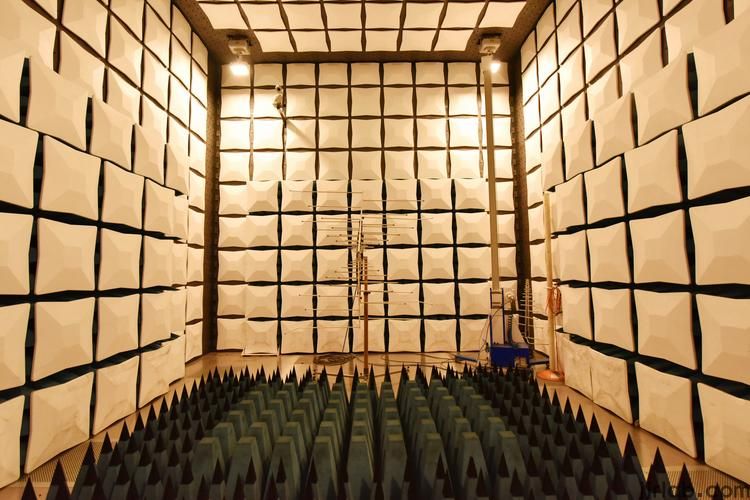 How to get an EN 301 893 test report?
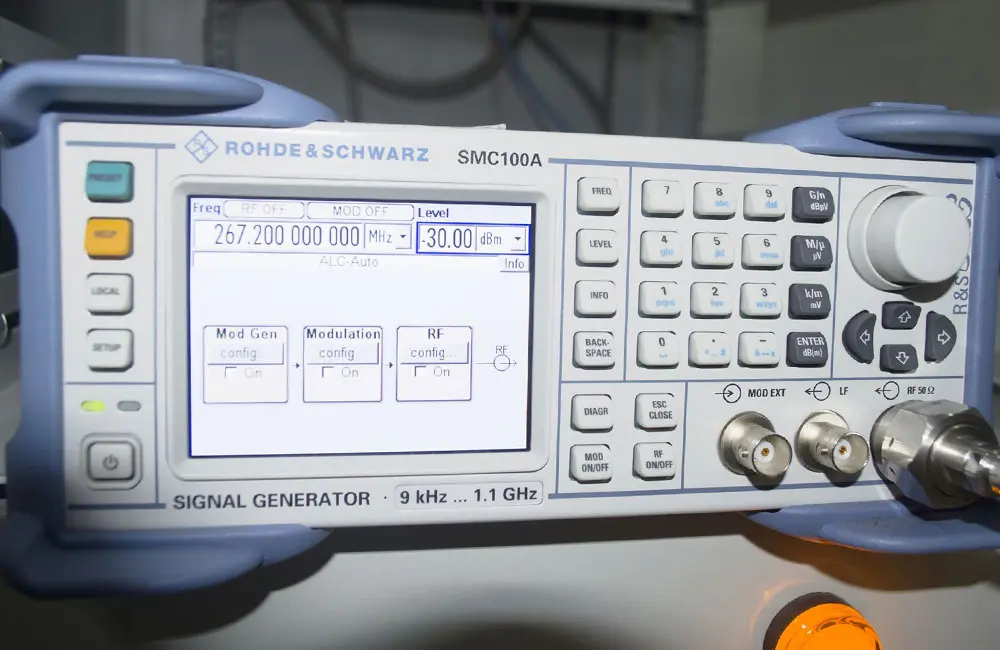 What is EN 301 893 Certification Compliance
 What is the CSA 62368-1 Standard?
 Canadian Pacifier Compliance SOR/2016-184
 US Agent for FCC & EC REP for CE: Compliance R
 What is Recycling of WEEE
 What is PPWR Packaging Compliance
What is Extended Producer Responsibility
What is PPWR Packaging Compliance
What is Extended Producer Responsibility
Leave us a message
24-hour online customer service at any time to respond, so that you worry!