



The cost of RoHS testing for circuit boards
RoHS (Restriction of Hazardous Substances Directive) certification for circuit boards ensures that the board complies with the EU’s RoHS Directive, which restricts the use of certain hazardous substances in electrical and electronic equipment. ROHS certification is crucial for companies intending to sell electronic devices in the EU market, as non-compliant products cannot be legally sold in the EU.
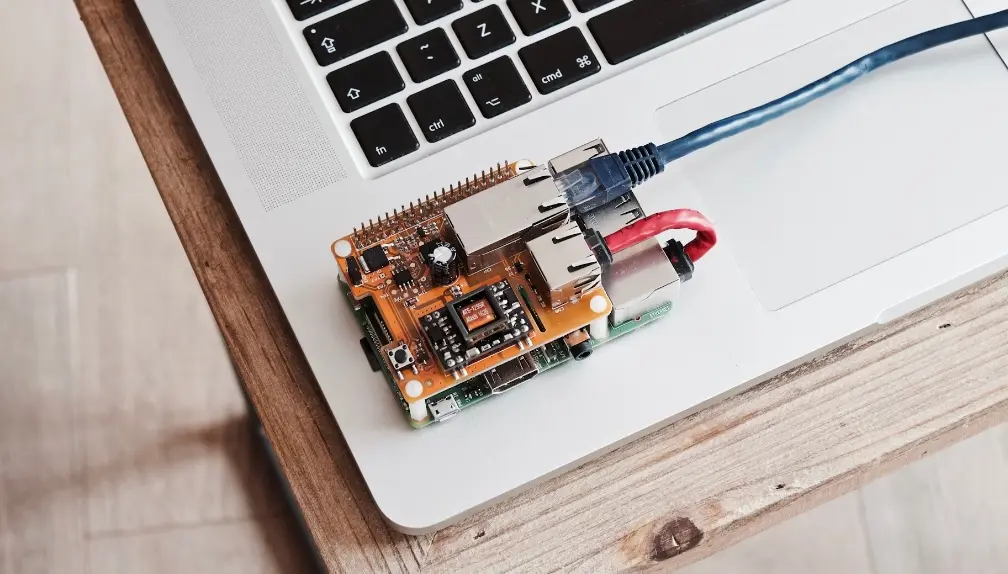
Key Elements of RoHS Certification
The original RoHS Directive limits the maximum allowed concentration of six specific substances:
1. Lead (Pb)
2. Mercury (Hg)
3. Cadmium (Cd)
4. Hexavalent Chromium (Cr(VI))
5. Polybrominated Biphenyls (PBB)
6. Polybrominated Diphenyl Ethers (PBDE)
RoHS 2.0 Directive, revised in 2015, adds four more restricted phthalates:
1. Dibutyl Phthalate (DBP)
2. Benzyl Butyl Phthalate (BBP)
3. Diisobutyl Phthalate (DIBP)
4. Di(2-ethylhexyl) Phthalate (DEHP)
Circuit Board RoHS Certification Process
1. Application: Submit a RoHS certification application to a certification body.
2. Sample Submission: Provide circuit board samples as per the requirements.
3. Testing: A professional lab conducts chemical composition analysis to ensure compliance with the RoHS Directive.
4. Report: After testing, the lab issues a detailed report.
5. Evaluation & Audit: The certification body evaluates the report and conducts audits if necessary.
6. Certificate Issuance: Upon successful evaluation, the rohs certificate is issued.
7. Labeling: Once certified, the rohs label can be applied to the circuit board to indicate compliance.
ROHS Testing Cost for Circuit Boards
The cost of rohs testing for circuit boards in China, provided by JJR Laboratory, ranges from $411 to $822.
Cost Factors
The cost of RoHS certification depends on several factors, including:
1. Testing Scope: Different types of circuit boards may require different tests.
2. Sample Quantity: Higher sample quantities may increase costs.
3. Certification Body: Different organizations have varying fee structures.
4. Expedited Service: If faster service is required, extra charges may apply.
For circuit board manufacturers, ensuring RoHS Compliance is not only a regulatory requirement but also a way to enhance market competitiveness and build consumer trust. By following the RoHS certification process, businesses can demonstrate that their products are environmentally friendly and suitable for sale in the EU market. For further details and accurate pricing, it’s advisable to contact professional certification bodies or testing laboratories.
Email:hello@jjrlab.com
Write your message here and send it to us
 What is UL 1642 Compliance Certification?
 What Is Amazon's UL 60335 Standard
 How to get a UL 60335 Test Report
 What is UL 60335 Certification Compliance?
 What is EN 61000 Certification Compliance?
 How to get an EN 61000 Test Report?
 What is the Amazon EN 55035 Standard?
 What is EN 55035 Certification Compliance?
Leave us a message
24-hour online customer service at any time to respond, so that you worry!