



UK Energy Efficiency ERP Certification (Luminaires)
With increasing importance placed on environmental protection and energy efficiency, countries worldwide are enacting regulations to reduce energy consumption and minimize negative environmental impacts. The UK Energy-related Products (ERP) Directive is one such regulation. Despite Brexit, UK energy efficiency and ecodesign requirements remain aligned with the EU to ensure products can still be sold in the EU market. This article provides a detailed introduction to the UK Energy Efficiency erp directive, focusing particularly on its requirements for luminaires and lighting products.
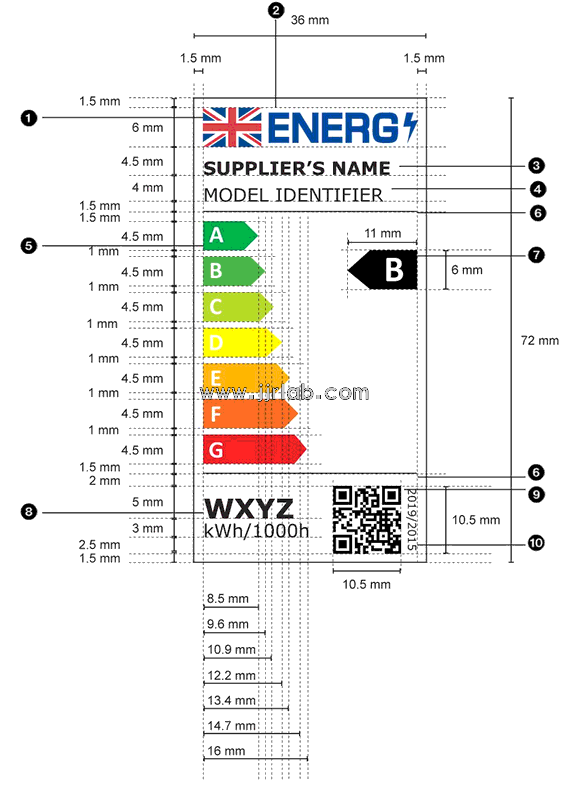
Official website: https://www.legislation.gov.uk/uksi/2021/1095/schedule/7/paragraph/3/made
Main Contents of ERP Directive:
1. Energy Efficiency Requirements:
The ERP Directive mandates that lighting products achieve certain energy efficiency levels. These efficiency standards vary by product type (e.g., bulbs, tubes, LED lamps), with LED luminaires requiring higher light efficiency to ensure more light output per unit of electricity.
2. Ecodesign Requirements:
Product design must consider environmental impacts throughout its lifecycle, including material selection, manufacturing processes, use phase, and end-of-life disposal. Designs should aim to minimize adverse environmental impacts, necessitating manufacturers to integrate considerations such as energy efficiency, material usage, and waste disposal in their design and production processes.
3. Product Labeling:
All lighting products sold on the market must have energy efficiency labels providing consumers with information on energy consumption levels. Energy efficiency labels help consumers make more environmentally friendly purchasing decisions.
4. Market Surveillance:
Lighting products sold in the UK market must undergo market surveillance and compliance checks to ensure they meet ERP Directive requirements. Non-compliant products may be withdrawn from the market and face penalties.
Applicability in the UK:
Despite Brexit, UK energy efficiency and ecodesign requirements remain aligned with the EU. Manufacturers and suppliers intending to sell products in the UK market must adhere to the following regulations:
1. ukca Mark:
The UK Conformity Assessed (UKCA) mark replaces the ce mark, indicating that products comply with UK regulations and standards. All products intended for sale in the UK market must bear the ukca mark.

2. Compliance Documentation:
Manufacturers need to provide a declaration of conformity and technical documentation demonstrating compliance with relevant standards. These documents include product design details, test reports, and risk assessments.
Specific Requirements for Luminaires:
For luminaires and lighting equipment, the ERP Directive specifies several requirements, including but not limited to:
- Power Factor:
Improving electrical efficiency, reducing reactive power losses to enhance overall energy efficiency.
- Standby Power Consumption:
Limiting energy consumption in standby mode to ensure products do not waste energy when not in use.
- Light Efficiency:
Maximizing light output per unit of electrical energy to ensure luminaires provide adequate illumination while minimizing energy consumption.
The UK Energy Efficiency ERP Directive imposes stringent energy efficiency and ecodesign requirements on luminaires and lighting products, aiming to enhance energy efficiency and reduce environmental impacts. Manufacturers and suppliers must comply with these regulations to ensure their products can legally be sold in the UK and EU markets.
China JJR Laboratory is an IEC 17025 accredited laboratory offering UK Energy Efficiency ERP certification services. Located in China, we provide lower costs and can save up to 30% on certification testing expenses.
Email:hello@jjrlab.com
Write your message here and send it to us
 What is the Amazon UL 1642 Test Standard?
 How to get a UL 1642 Test Report?
 What is UL 1642 Compliance Certification?
 What Is Amazon's UL 60335 Standard
 How to get a UL 60335 Test Report
 What is UL 60335 Certification Compliance?
What is EN 61000 Certification Compliance?
What is UL 60335 Certification Compliance?
What is EN 61000 Certification Compliance?
 How to get an EN 61000 Test Report?
Leave us a message
24-hour online customer service at any time to respond, so that you worry!