



What are the Differences Between EN 71 and ASTM F963?
Let's take a detailed look at the EN 71 tests, EN 62115 tests, and astm f963 tests that are mandatory for toys exported to the European and American markets.
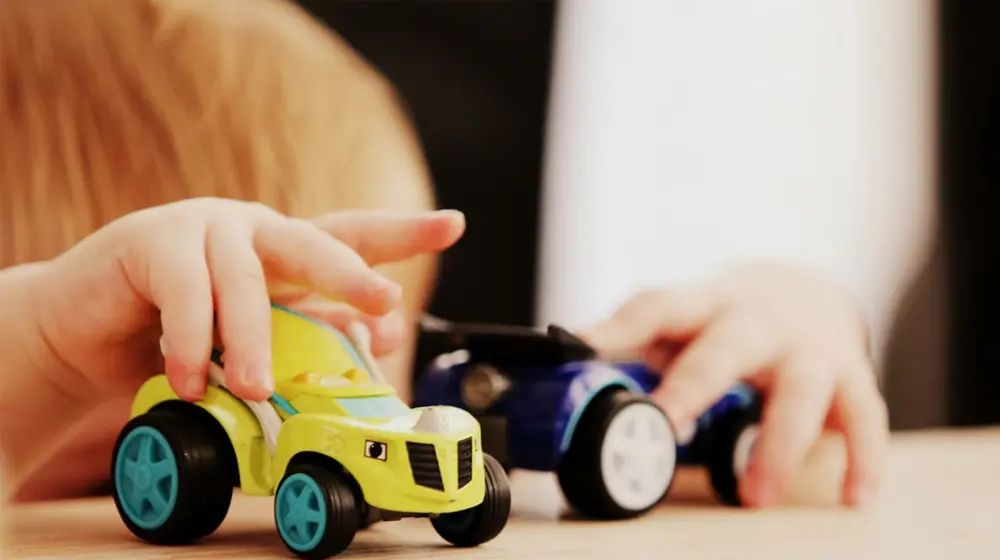
EU en 71 testing
EN 71 testing is the regulatory standard for toy products in the EU market. Its significance lies in imposing technical specifications on toys entering the European market, thereby reducing or preventing harm to children by toys. Manufacturers are liable for accidents caused by production defects, poor design, or the use of inappropriate materials, which further underscores the importance of EN 71 testing.
EN 71 testing covers multiple parts, with the key ones being:
1. EN 71-1 Physical and Mechanical Performance testing: This part mainly includes drop tests, small parts tests, sharp edge tests, tension tests, compression tests, seam tests, pull tests for ears, noses, and eyes, torque tests, etc. For example, in small parts testing, toy components must be prevented from being small enough to be ingested by children, avoiding suffocation hazards; sharp edge testing ensures that toy surfaces have no sharp edges or corners that could scratch children.
2. EN 71-2 Flammability Testing: Conducts combustion performance tests on finished toys, as well as plush fabrics or plush materials. For instance, toys are required not to burn too quickly when exposed to ignition sources, reducing the risk of injury to children from toy fires during play.
3. en 71-3 Toxic Heavy Metals Migration Testing: Imposes strict limits on the migration levels of 19 toxic heavy metal elements, including lead, mercury, cadmium, chromium, arsenic, selenium, barium, and antimony. Since children may ingest heavy metals leached from toy surfaces through oral contact during play, strictly controlling the content of these elements is crucial to protecting children's health.
EN 62115 Testing
Safety Assurance for Electric Toys in Europe
EN 62115 is a mandatory EU standard for the safety of electric toys, formulated in accordance with the EU Toy Safety Directive 2009/48/EC. It applies to all electric toys intended for children under 14 years of age with a rated voltage ≤ 24V, including remote-controlled cars, sound and light toys, experimental kits, etc. This standard aims to address risk areas such as electrical safety, mechanical and physical injuries, and chemical hazards of electric toys. The core test requirements in EN 62115 testing include:
1. Electrical Safety Testing
① Insulation and Voltage Withstand: Requires insulation resistance ≥ 1MΩ (between live parts and accessible surfaces) and passing a withstand voltage test of 500V AC for 1 minute without breakdown, to prevent electric shock accidents to children during use.
② Battery Safety: Conducts overcharge/over-discharge protection tests to ensure batteries do not catch fire or explode in short circuits; for button battery compartments, a swallow-proof design (EN IEC 60086-4) is required to prevent children from swallowing button batteries by mistake.
③ Abnormal Operating Condition Simulation: For example, a motor stall test lasting 7 hours, with no smoke or fire required, to verify the safety of electric toys under abnormal operating conditions.
2. Mechanical and Physical Safety
① Structural Strength: Passes drop tests (3 drops from a height of 85cm) and spring hammer impact tests on the housing 3 times to check whether the toy structure is firm and free from breakage risks, avoiding damage to children from toy breakage during normal use or accidental drops.
② Small Parts Protection: Explicitly stipulates that toys for children under 3 years old must not contain swallowable small parts (diameter < 31.7mm), preventing suffocation caused by children swallowing small parts by mistake.
3. Chemical and Environmental Safety
① Hazardous Substance Limits: Strictly controls phthalates ≤ 0.1% (reach regulation) and heavy metal migration levels (e.g., lead ≤ 13.5mg/kg, EN 71-3), reducing potential threats to children's health from chemical substances.
② Environmental Adaptability: Conducts high-temperature aging tests (continuous operation at 85°C for 7 days) and salt spray tests (verifying corrosion resistance in coastal areas) to ensure electric toys remain safe for use under different environmental conditions.
ASTM F963 Testing
The Access Threshold for the U.S. Toy Market
astm f963 testing is the "safety check-up" formulated by the United States for toys and is legally mandatory in the U.S. Toys that fail the test cannot enter U.S. customs. The test mainly examines the following aspects:
1. Physical Safety
① Small Parts Test: Uses a "suffocation test cylinder" to simulate a child's throat (3cm in diameter) to check whether toy components pose a suffocation risk if swallowed by children.
② Sharp Points and Edges Test: Uses professional instruments to inspect all edges and corners of toys to ensure there are no sharp points or edges that could cut children.
③ Tension Test: Simulates the force of a child pulling a toy (35N) to test the firmness of toy components, preventing ingestion or other injuries caused by component detachment.
④ Flammability Performance: Has strict requirements for the flammability performance of plush toys, chemical fiber materials, and other toys. For example, plush toys must not burn too quickly, and chemical fiber materials must not drip burning substances, reducing the likelihood of severe burns to children when toys are exposed to ignition sources.
2. Chemical Safety
① Lead Content: Must not exceed 100ppm, which is stricter than domestic standards, strictly controlling the content of lead, a heavy metal harmful to children's nervous system development.
② Plasticizers (DEHP, etc.): Must not exceed 0.1%, preventing adverse health effects on children from excessive exposure to plasticizers.
Core Differences Between EU EN 71 and EN 62115 Standards
Comparison Dimension | EN 71 (General Toy Safety Standard) | EN 62115 (Electric Toy Safety Standard) |
Scope of Application | Applies to all toy products in the EU market (including electric and non-electric) | Only applies to electric toys intended for children under 14 years of age with a rated voltage ≤ 24V |
Core Positioning | General basic safety specifications covering basic physical, flammability, and chemical requirements for all toy categories | Special safety standard for electric toys, focusing on electrical safety and risks derived from electric structures |
Core Test Modules | 1. Physical and mechanical performance (EN 71-1)<br>2. Flammability (EN 71-2)<br>3. Toxic heavy metals migration (EN 71-3) | 1. Electrical safety (insulation, voltage withstand, batteries, abnormal operating conditions)<br>2. Mechanical and physical safety (structural strength, small parts)<br>3. Chemical and environmental safety (hazardous substances, environmental adaptability) |
Mandatory Basis | EU Toy Safety Directive 2009/48/EC | Formulated in accordance with the EU Toy Safety Directive 2009/48/EC, mandatory for electric toys |
Key Differential Requirements | No electrical-related testing; focuses on basic physical, flammability, and heavy metal migration safety of toys | Adds special electrical safety testing, while being compatible with and refining EN 71-related physical and chemical requirements, and supplementing environmental adaptability testing |
Small Parts Requirements | Controls small parts risks by applicable age, with the core goal of preventing ingestion and suffocation | Explicitly prohibits swallowable small parts with a diameter < 31.7mm in toys for children under 3 years old, with more specific and quantified requirements |
How to Pass These Tests Smoothly and Ensure Normal Product Sales?
1. Select a Professional Laboratory
① Be sure to choose a qualified and reputable laboratory such as JJR LAB for testing. For example, for toy testing exported to the U.S., select an institution accredited by the CPSC; for toy testing exported to the EU, select an EU-accredited ISO 17025 laboratory. When selecting, consult in advance whether the laboratory can conduct tests according to the latest version of standards and whether it supports series applications (toys of the same material but different colors can save testing costs).
2. Labels and Warning Statements
① Warning labels (e.g., "Choking hazard" for small parts) and age grading (e.g., "3+")
② Manufacturer information (address, importer information)
③ A Tracking Label must be affixed
3. Front-end Links and Physical Products
① Qualification documents: Usually required to submit CE/CPC certificates, test reports (in both Chinese and English), and product compliance declarations
② Product list: Clearly stating materials, purposes, and applicable ages
③ Pictures and descriptions: Must truthfully display warning labels and certification marks
4. Optimize Supply Chain Management
① Timeliness of seasonal products: Toys need to be stocked several months in advance to ensure sufficient time for certification and logistics
② Intellectual property rights: Avoid infringement (e.g., image copyrights of Disney, jack-o'-lanterns, etc.)
Email:hello@jjrlab.com
Write your message here and send it to us
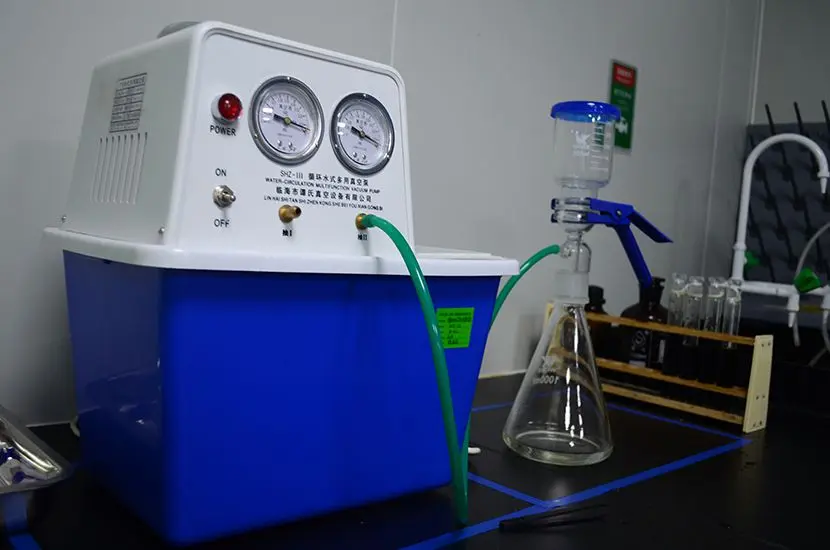 California 65 Testing Service Consultation
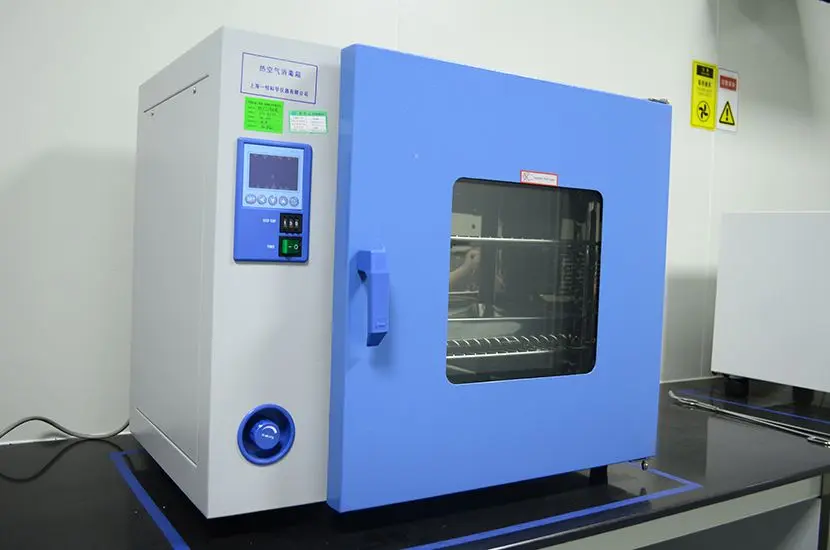 REACH Chemical Testing Services
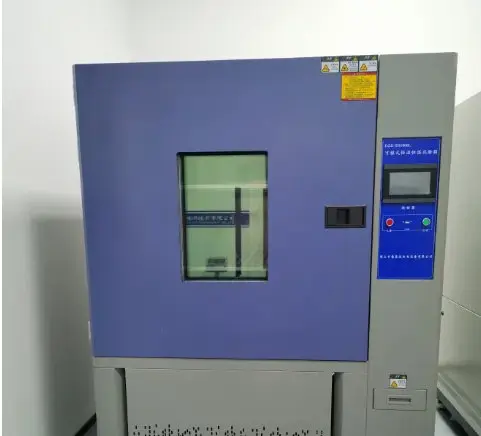 Electronic Vaporizers EU TPD / US PMTA / UK MHRA
 ISO 10993 Biocompatibility Standards
 Medical TPV ISO 10993 Biocompatibility Testing
 FDA Requirements for Biocompatibility under ISO 10
 Amazon Spain WEEE Compliance Deadline: September 3
 What is the ASTM F2264 Certification Test?
Leave us a message
24-hour online customer service at any time to respond, so that you worry!