



ASTM-F963-17 Non-Ride-On Toys Testing
What are Non-Ride-On Toys?
Non-ride-on toys refer to toys not designed to support a child's body weight, on which children do not sit or ride during play.
What Types of Non-Ride-On Toys Are There?
There is a wide variety of common non-ride-on toys, mainly including non-powered toys displayed by shape (such as plush toys and static models), motorized toys that move via internal mechanical devices, as well as electronic toys and smart toys containing electronic circuits or intelligent programs.
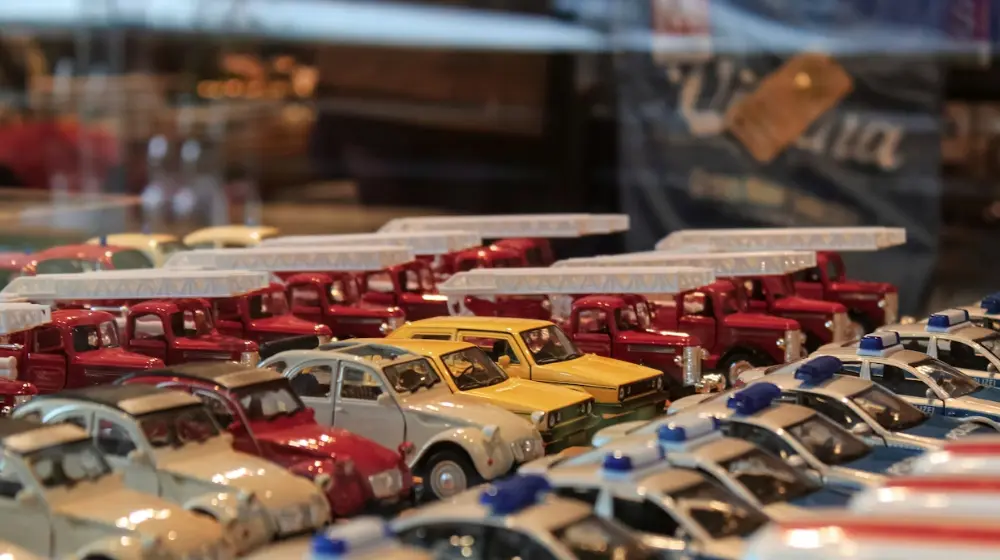
ASTM F963 Toy Testing Standard
ASTM F963 is the U.S. toy testing standard, with the current latest version being astm f963-17, which is officially enforced. This standard sets general requirements for toy products exported to the U.S. market.
Its main content is divided into three parts:
1. Physical and Mechanical Properties
2. Flammability Performance
1. Chemical Properties
Physical and Mechanical Properties
Requirements for physical and mechanical properties mainly involve: impact tests, drop tests, tension tests for component removal, compression tests, flexure tests, etc.
Flammability Performance
The toy flammability testing procedure follows the requirements of 16 CFR 1500.44, conducting horizontal burning tests on toys. It stipulates that the self-propagating burning rate of a toy along its major axis after ignition shall be less than 2.5 mm/s.
Chemical Properties
It involves testing for the migration of eight heavy metals and total lead content. Unlike EN71-3, ASTM F963 adds total lead testing, but only imposes requirements on surface coatings for materials.
Introduction to Revised Content in ASTM F963-08
Magnets
Revisions address hazards from ingestion of small magnetic components in toys and the age of children at risk. The volume requirement for magnetic parts of magnets is increased to the size of the small parts cylinder, and the age requirement is extended to apply to toys intended for children 14 years of age and younger. In addition, this section includes special testing and abuse testing requirements for magnets to prevent magnets from detaching from components during play.
Acoustics
The continuous sound requirement for push/pull toys to pass noise testing is replaced by impulsive sound. This revision also achieves further harmonization between F963 and the European toy standard EN71-1.
Yo-Yos with Elastic Cords
An exemption is added for sports balls with wrist or ankle straps longer than 70 cm that can rebound after being kicked or thrown. The strap length test method involves placing the strap on a horizontal surface without any load.
Impalement Hazards
For toys intended for children aged 18–48 months, equipped with nails, screws, and threaded rods, weighing less than 1.1 pounds (lb), and having spherical or hemispherical ends on shafts or handles, the ends shall be designed such that they cannot enter or pass through the entire cavity of the supplementary test device. This requirement shall be tested under the toy's own weight without applied pressure.
Flammability
The concept of the major axis is redefined, and definitions for accessories, cords, and paper are added. Exemptions for packaging materials, fabrics, and sleeping bags are revised, but packaging materials that are integral to the toy during play are not exempted. For some toys with attached fabrics, a second test condition is added if the burning rate exceeds 0.1 in/s. New fabric flammability testing procedures are added.
Folding Devices and Hinges
The product scope for this section is revised to toys intended or likely to support a child's weight during normal use. New folding device requirements include locking devices or other mechanisms to prevent accidental or sudden movement or collaPSE of the item. Locking devices shall automatically engage once placed in the manufacturer's recommended use position. The new standard adds load testing to check the robustness of folding and locking devices.
Jaw Entrapment Hazards in Handles and Steering Wheels
This is a new requirement added in F963-08, aiming to prevent jaw entrapment in handles or steering wheels during use of the following toys intended for children under 18 months: activity tables for standing play, large-volume toys, stationary floor toys, push toys propelled by children while standing and walking, and ride-on toys. Toys with handles or hinges made of flexible materials (straps and cords) are exempted.
What is the Difference Between cpsia and CCPSA?
① CPSIA: U.S. toy standard, mainly testing lead/cadmium/phthalates
② CCPSA: Canadian toy standard, mainly testing lead/mercury/5 soluble heavy metals/phthalates
What is the U.S. cpsia testing Standard?
cpsia testing items are lead and phthalates, with reference test method CPSC-CH-C1001-09.3, analyzed by GC-MS.
① Lead (Pb) content limit: 0.01% (content exceeding 0.01% is non-compliant)
② Phthalates (6P) content limits:
○ Dibutyl phthalate (DBP): 0.1%
○ Butyl benzyl phthalate (BBP): 0.1%
○ Di(2-ethylhexyl) phthalate (DEHP): 0.1%
○ Diisononyl phthalate (DINP): 0.1%
○ Di-n-octyl phthalate (DNOP): 0.1%
○ Diisodecyl phthalate (DIDP): 0.1%
Overview of CPSIA
CPSIA is a U.S. regulatory standard specifically formulated for consumer products and children's care products. It is the Consumer Product Safety Improvement Act formally signed and enacted by U.S. President Bush on August 14, 2008.
Targeted at children's products, the Act defines children's products as products designed or intended primarily for use by children 12 years of age or younger. It includes the following provisions:
Lead and Lead-Based Paint
• Strict limits on lead content in children's products: lead limit in surface coatings and paints is 90 ppm; total lead limit in substrate materials is 100 ppm.
Phthalates
• Any children's toys and care products containing DEHP, DBP, or BBP at levels exceeding 0.1% are prohibited from being manufactured in or imported to the U.S. for sale.
• During the transition period, the U.S. also prohibits the presence of three additional phthalates (DINP, DIDP, DNOP) at levels exceeding 0.1% in toys and children's care products that may be placed in a child's mouth.
Toy Safety Standards
All toys designed primarily for children 12 years of age and younger must comply with all mandatory requirements of the toy safety standard ASTM F963-11.
Third-Party Testing and Certification
U.S. manufacturers and importers must test many consumer products in accordance with CPSC requirements. Based on passing test results, manufacturers or importers must issue the following certifications for consumer products:
① Children's Product Certificate (CPC): A certificate issued by a manufacturer or importer to certify that its children's products comply with all applicable children's product safety rules.
② General Conformity Certificate (GCC): A certificate issued by a manufacturer or importer to certify that its non-children's (general use) products comply with all applicable consumer product safety rules.
Traceable Labeling
U.S. manufacturers or importers are responsible for affixing identification marks on children's products and their packaging, indicating the manufacturer's or private labeler's name, location, production date, batch number, and other identifying information.
Relevant Statutory Requirements of the U.S. CPSIA Standard
• Section 101: Lead-Containing Children's Products; Lead-Based Paint Standards
• Section 102: Mandatory Third-Party Testing for Certain Children's Products
• Section 103: Tracking Labels for Children's Products
• Section 104: Standards for Durable Infant and Toddler Products and Consumer Registration
• Section 105: Advertising Labeling Requirements for Toys and Games
• Section 106: Mandatory Toy Safety Standards
• Section 107: Study on Preventable Consumer Product-Related Injuries and Deaths Among Minority Children
• Section 108: Prohibition on the Sale of Products Containing Specified Phthalates
Other Safety Regulations of CPSIA Affecting Infant and Toddler Products
The Act stipulates that "durable infant and toddler products" (such as cribs, strollers, and stationary activity centers) may use product registration cards in the event of a recall. The CPSC is required to review voluntary safety standards for these products and may strengthen them into federal regulations. CPSIA places a strong emphasis on crib safety: it is not only illegal to manufacture or sell cribs that do not meet federal safety standards, but also illegal to provide them for use (e.g., in hotels or daycares).
CPSIA also includes requirements for how manufacturers, distributors, and retailers advertise products that may contain small parts posing choking hazards. The Act establishes a searchable online database for recalls, safety information, and incident reports of product-related injuries.
cpsia labeling Requirements
CPSIA includes additional safety regulations affecting infant and toddler products. The Act specifies that "durable infant and toddler products" (such as cribs, strollers, and stationary activity centers) may utilize product registration cards in the event of a recall. The CPSC is mandated to review voluntary safety standards for these products and may upgrade them to more stringent federal regulations. CPSIA places significant emphasis on crib safety: manufacturing or selling cribs that fail to meet federal safety standards is illegal, as is providing such cribs for use in settings like hotels or daycares.
Email:hello@jjrlab.com
Write your message here and send it to us
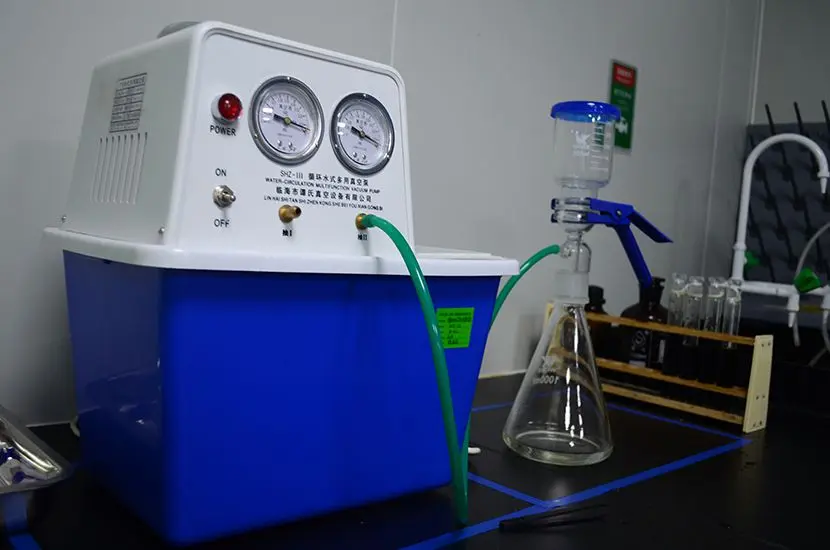 California 65 Testing Service Consultation
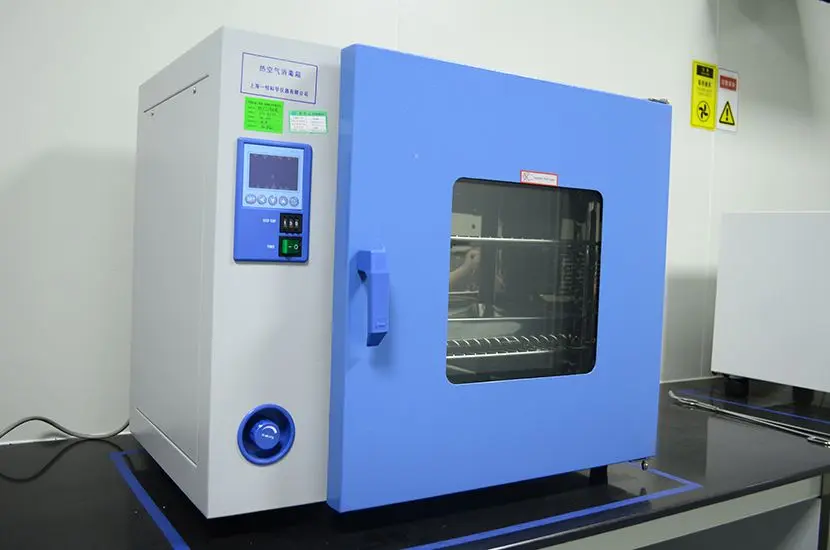 REACH Chemical Testing Services
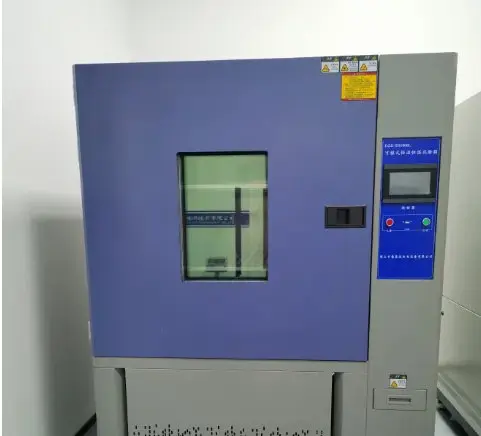 Electronic Vaporizers EU TPD / US PMTA / UK MHRA
 ISO 10993 Biocompatibility Standards
 Medical TPV ISO 10993 Biocompatibility Testing
 FDA Requirements for Biocompatibility under ISO 10
 Amazon Spain WEEE Compliance Deadline: September 3
 What is the ASTM F2264 Certification Test?
Leave us a message
24-hour online customer service at any time to respond, so that you worry!