



EU CE LVD, EMC, RoHS Directives Compliance Guide
This is a highly practical article, especially suitable for electronic and electrical products exported to the EU market. Below is a complete process analysis of EU CE certification application, covering the compliance requirements of three core directives: LVD (low voltage directive), EMC (Electromagnetic Compatibility Directive) and RoHS (Restriction of Hazardous Substances Directive):
Overview of CE Certification
The ce marking is a mandatory compliance marking for the EU market, indicating that the product meets EU health, safety and environmental protection requirements. LVD, EMC and RoHS are the three most commonly involved directives for electronic and electrical products:
Directive | Full Name | Scope of Application |
LVD | Low Voltage Directive (2014/35/EU) | Electrical equipment operating at voltages between 50-1000V AC and 75-1500V DC |
EMC | Electromagnetic Compatibility Directive (2014/30/EU) | All electrical equipment must comply with electromagnetic interference emission and immunity standards |
RoHS | Restriction of Hazardous Substances Directive (2011/65/EU) | Restricts the use of 10 hazardous substances including lead, cadmium and mercury in products |
Complete Process of CE Certification Application
1. Identify Applicable CE Directives and Standards
(1) Determine whether the product is subject to LVD, EMC and RoHS constraints
(2) Select applicable harmonized standards (EN standards), such as:
① EN 60335-1 (Household electrical appliance safety)
② en 55032/55035 (EMC)
③ EN 50581 (RoHS)
2. Conduct Product Testing
(1) Self-testing or testing through third-party laboratories (e.g., TÜV, SGS, Intertek) is available
(2) Common testing items include:
① LVD: Electrical safety (electric shock protection, overheating, insulation, etc.)
② EMC: Emission (EMI) and immunity (EMS) testing
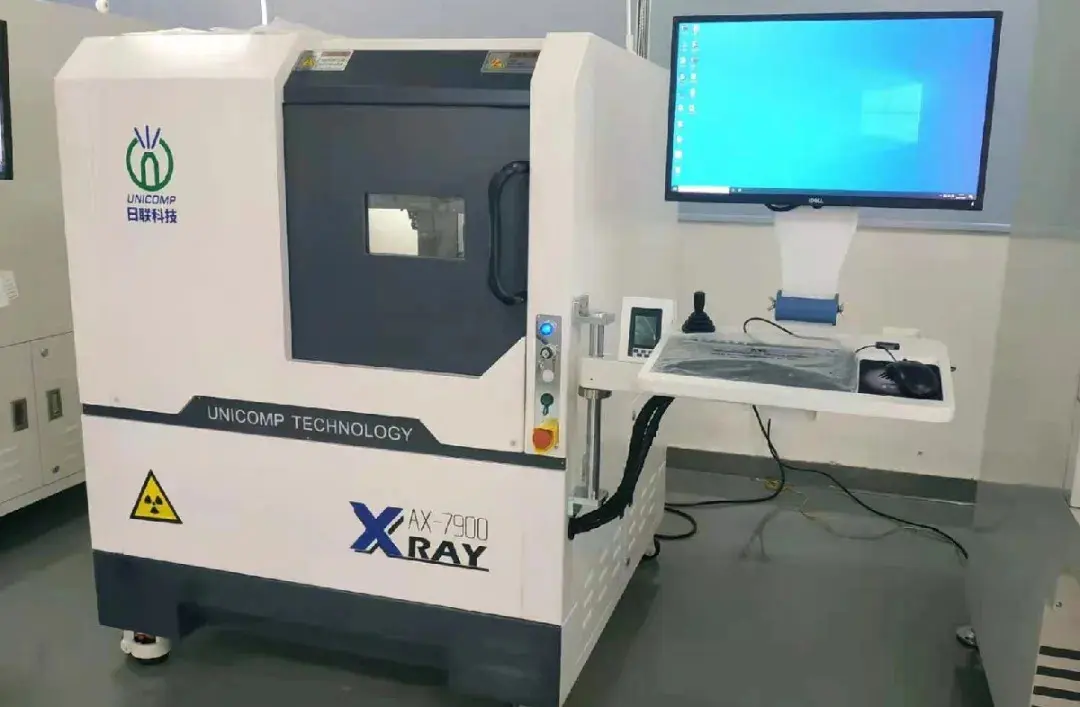
③ RoHS: Testing of hazardous substance content in materials (XRF or chemical analysis)
3. Compile Technical Documentation
(1) Technical documentation must be kept for no less than 10 years and shall include:
① Product description and structural drawings
② List of applicable standards
③ Test reports
④ Risk assessment analysis
⑤ User manual
⑥ Draft Declaration of Conformity
4. Prepare and Sign the EU Declaration of Conformity (DoC)
① Declare that the product complies with relevant CE directives
② Signed and sealed by the manufacturer or authorized representative
5. Affix the CE Marking
① The marking shall be clear and indelible
② If a Notified Body (NB) is used for certification, its identification number must be placed next to the CE marking
Key Compliance Reminders for Each Directive
LVD Precautions:
① Even if the rated voltage is low, the product may be affected by other CE directives
② Pay special attention to structural design such as insulation, grounding and fire protection
EMC Precautions:
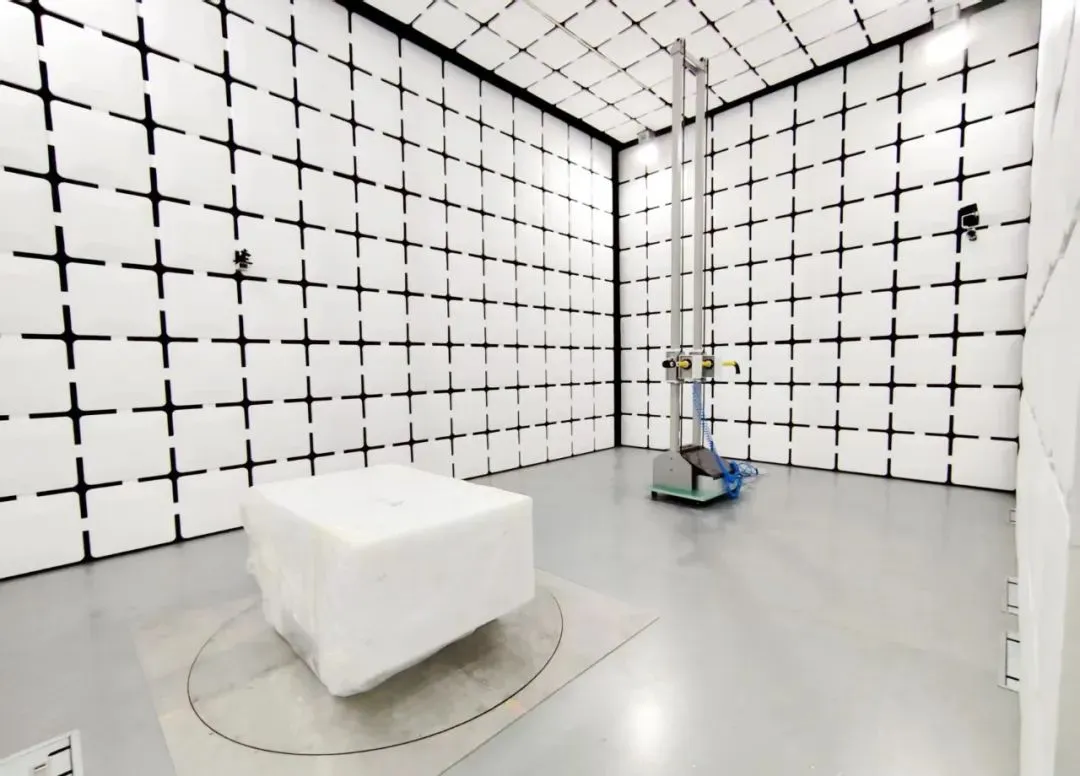
① The testing environment must meet EMC standard requirements (shielded room, standard antennas, etc.)
② Test results under both normal and extreme operating conditions shall be covered
RoHS Precautions:
① Prohibited substances include: lead, mercury, cadmium, hexavalent chromium, polybrominated biphenyls, etc.
② Compliance declarations or test reports of each component must be traceable (supply chain control)
Is a Notified Body (NB) Required?
Most products involving LVD/EMC/RoHS do not require mandatory third-party certification and can be self-declared. However, consideration should be given to the following situations:
① High-risk products (medical devices, wireless communication equipment)
② Higher assurance required by customers or the market
③ To enhance brand reputation or reduce customs clearance risks
Common Document List Template (Downloadable Formats)
Document Name | Mandatory | Recommended Format |
EU Declaration of Conformity (DoC) | ✅ | Word / PDF |
Test Reports (LVD/EMC/RoHS) | ✅ | |
Structural Drawings, PCB Drawings | ✅ | CAD / PDF |
User Manual | ✅ | Word / PDF |
Bill of Materials (BOM) and RoHS Raw Data | ✅ | Excel |
Frequently Asked Questions Q&A
How long does CE certification take?
The self-declaration process takes about 1-2 weeks; if entrusted to a third party for testing, the cycle ranges from 3-5 weeks.
Does a product need to reapply for CE certification repeatedly?
If different models have the same functions, they can be classified into one series declaration at most; if there are significant differences in design or functions, retesting is required.
Is RoHS included in CE?
Yes. RoHS 2.0 is part of the CE framework, and product compliance with RoHS must also be indicated in the DoC.
Email:hello@jjrlab.com
Write your message here and send it to us
 FDA Requirements for Biocompatibility under ISO 10
 Amazon Spain WEEE Compliance Deadline: September 3
 What is the ASTM F2264 Certification Test?
 What is ASTM F2194 Certification Testing?
 What is the ASTM F2167 Certification Test?
 What is the ASTM F2050 Certification Test?
 What is ASTM F1967 Certification Testing? How to g
 What is the ASTM F1917 Certification Test?
Leave us a message
24-hour online customer service at any time to respond, so that you worry!