



What Are the IC Certification Testing Standards?
ised stands for Innovation, Science and Economic Development Canada, the agency responsible for certifying electronic and electrical products entering the Canadian market. In 2016, ISED officially replaced what was commonly known as IC, short for Industry Canada. It oversees products such as broadcasting and television equipment, information technology equipment, radio devices, telecommunications equipment, and industrial, scientific, and medical (ISM) devices—similar to the role of the fcc in the United States.
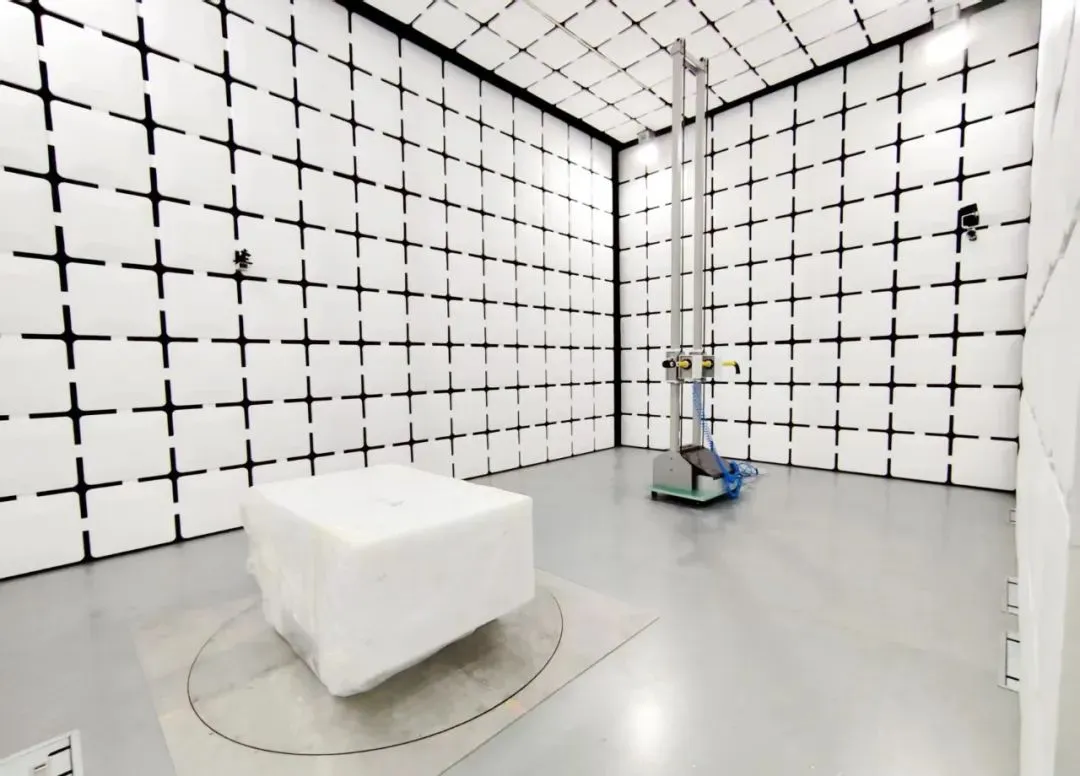
ic certification is similar to fcc certification in the U.S.:
1. Both only regulate electromagnetic interference (EMI), not electromagnetic susceptibility (EMS).
2. IC also has two certification methods: ic id and IC VOC.
- Products with wireless transmission functions require IC ID.
- Other products use IC VOC.
Notes:
Impact of the Name Change:
1. All authorization letters must now use “Innovation, Science and Economic Development Canada” as the header instead of “Industry Canada”.
2. The original "IC number" is now called the "ISED Number", but its label format remains unchanged: IC: XXXXX-YYYYYYYYY.
Introduction to IC ID:
Like the fcc id in the U.S., the IC ID regulates electronic and electrical products with wireless transmission capabilities.
- IC ID format: CN (Company Number, up to 6 digits) + UPW (Unique Product Number, up to 8 digits)
- The CN (Company Number) is free to apply for, but requires a Canadian representative address.
Testing Standards:
- ICES-001: Analog equipment
- ICES-003: Digital terminal equipment (e.g., ITE products and computer peripheral office equipment)
- ICES-005: Lighting equipment
- RSS Series: Low-power radio frequency (RF) devices, such as:
- RSS-210: Applicable to wireless mice and keyboards, remote control toys, and other low-power RF products
Email:hello@jjrlab.com
Write your message here and send it to us
 EU PPWR New Packaging Compliance
 How to Obtain an MSDS/SDS Report
CPSIA Testing Service Consulting
How to Obtain an MSDS/SDS Report
CPSIA Testing Service Consulting
 Food Contact Materials Testing Services
 California 65 Testing Service Consultation
 REACH Chemical Testing Services
 Electronic Vaporizers EU TPD / US PMTA / UK MHRA
 ISO 10993 Biocompatibility Standards
Leave us a message
24-hour online customer service at any time to respond, so that you worry!