
EMC China Lab

What is ISO 10993 Chemical Characterization?

Views :
Update time : 2026-11-05

On July 18, 2025, the International Organization for Standardization (ISO) officially approved the new version of the ISO 10993-1:2025 standard, which is expected to be officially released soon and will replace the current iso 10993-1:2018 standard. As a key standard for the biocompatibility evaluation of medical devices, this update will have a profound impact on the preclinical evaluation, compliance strategies, and other related aspects of medical device products.

Official Website Link: https://www.iso.org/standard/84512.html

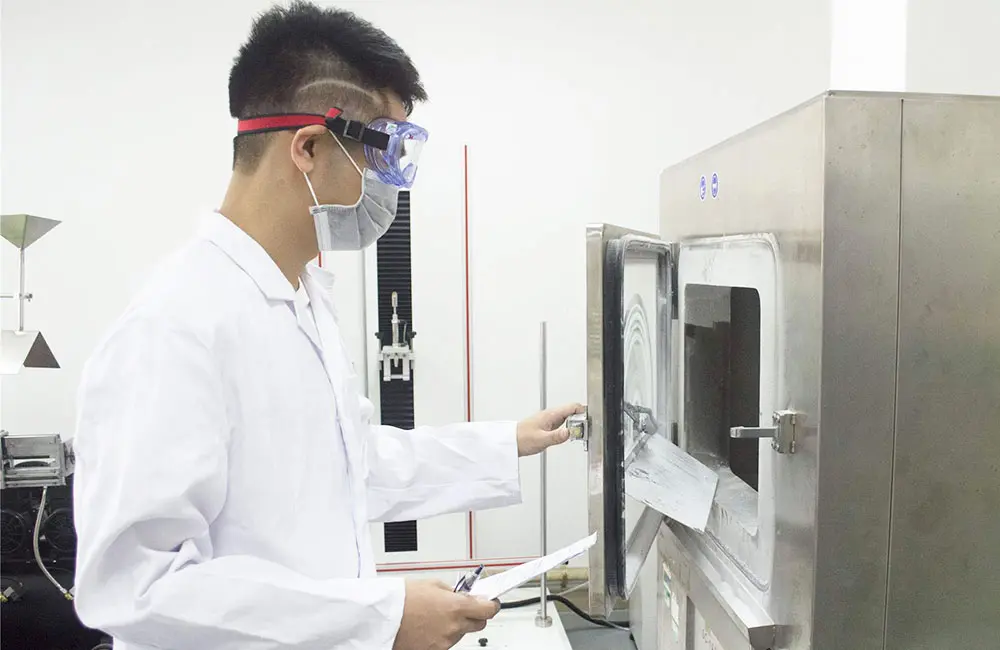
What is ISO 10993 Chemical Characterization?(图1)

Interpretation of Key Content Regarding Chemical Characterization in the New Standard

Section

Section Name

Content Interpretation

4.3

Animal Welfare

This chapter requires: The implementation of new in vivo biological tests must be strictly controlled to the absolute minimum necessary to complete the biological evaluation. Wherever possible, biological evaluation should prioritize supplementing biological risk assessments through physical/chemical characterization or literature/data analysis.

6.3

Identification of Biological Hazards, Situations Presenting Biological Hazards, and Potential Biological Harm

This chapter explicitly states: Collecting physical and chemical information on the medical device, its components, and the materials used in manufacturing and processing (including sterilization) is a critical first step in biological evaluation. This information identifies biological hazards presented by the presence of toxic components or hazardous physical characteristics of the device, while chemical characterization performed in accordance with iso 10993-18:2020 can identify toxic component information.

6.5.5

Systemic Toxicity

This chapter explicitly states: Systemic toxicity can be evaluated through the toxicological risk assessment of chemical characterization information for medical devices performed in accordance with ISO 10993-17:2023 and iso 10993-18:2020.

6.5.8

Carcinogenicity

This chapter explicitly states: The in vivo carcinogenicity evaluation process is complex and time-consuming. In the absence of an obvious cancer risk, medical devices rarely require carcinogenicity testing. Comprehensive chemical characterization can provide a more reliable basis for carcinogenicity evaluation.

6.7

Bioequivalence

This clause is a new addition, adopting a five-level progressive approach to evaluate the bioequivalence of two materials or two medical devices. The first step is the evaluation of chemical equivalence, which can be based on ISO 10993-18:2020 to analyze the similarity of chemical characteristics between two materials or devices.

7

Biological Evaluation

This chapter points out that when biological risks fail to meet acceptance criteria, the following methods can be used as references for improvement: improving the accuracy of quantitative component analysis according to ISO 10993-18:2020; or collecting literature based on ISO 10993-17:2023 to select more appropriate allowable intake values, etc.

It can be seen that collecting physical and chemical information on medical devices or components is a crucial step in the biological evaluation process and related material characterization. Through chemical characterization (ISO 10993-18:2020), extractables or leachables can be identified, providing sufficient material information to identify biological hazards for toxicological risk assessment (ISO 10993-17:2023).

It is worth noting that chemical characterization with appropriate toxicological thresholds can be used to determine whether further biological tests (such as systemic toxicity, carcinogenicity, reproductive and developmental toxicity, etc.) need to be conducted, thereby shortening the testing cycle and accelerating product compliance and market entry.


About JJR LAB

JJR LAB is accredited by CMA and CNAS; it is a recognized laboratory for MED / IVD / ITAV / EMC CBTL, A2LA, and OECD GLP. It has obtained the license for the use of large and small experimental animals, and currently possesses animal testing capabilities for monkeys, pigs, dogs, sheep, rabbits, rats, etc. Its testing reports enjoy international credibility.


Email:hello@jjrlab.com


Leave Your Message


Write your message here and send it to us


Related News
Read More >>
What is ISO 10993 Chemical Characterization? What is ISO 10993 Chemical Characterization?
11 .05.2026
What is ISO 10993 chemical characterization? Learn ISO 10993-18 testing for medical device extractab...
What is ISO 10993 Certified? How to Get It ? What is ISO 10993 Certified? How to Get It ?
11 .05.2026
What is ISO 10993 certification? Learn medical device biocompatibility testing, costs, and steps wit...
CPSC eFiling Requirements CPSC eFiling Requirements
11 .05.2026
2027 CPSC eFiling requirements: Review FTZ deadlines, regulated products, CPC/GCC certificate data, ...
Temu 2027 Children's Products and Textiles Complia Temu 2027 Children's Products and Textiles Complia
11 .04.2026
JJR guides Temu 2027 sellers meet children‘s product and textile regulations: CPSIA, ASTM F963, EN 7...
What Compliance is Required for Exporting Adult Cl What Compliance is Required for Exporting Adult Cl
11 .04.2026
Discover required US adult clothing export compliance with China JJR LAB: CPSC, FTC, 16 CFR Parts 16...
European Regulation PPWR Testing Services European Regulation PPWR Testing Services
11 .04.2026
China JJR LAB provides EU PPWR testing to EU 2025/40 standards, covering heavy metals and PFAS, back...
Squishy Toy Western Compliance Guidelines Squishy Toy Western Compliance Guidelines
11 .04.2026
2027 Squishy Toy compliance testing by JJR Laboratory with CMA and CNAS accreditation, covering EU, ...
GB 4806.10-2025 Food Contact Coatings Testing GB 4806.10-2025 Food Contact Coatings Testing
11 .04.2026
GB 4806.10-2025 food contact coatings testing by JJR Laboratory, with CMA and CNAS accreditation, su...

Leave Your Message