



AS/NZS 4417.2:2020 Amd 1:2026 Australia and New Zealand
Major Revision to Australia and New Zealand’s Electrical Equipment Safety Regulatory Scheme (AS/NZS 4417.2:2020 Amd 1:2026)
On 12 February 2026, AS/NZS 4417.2:2020 Amendment 1:2026 was officially published, introducing major changes to Australia and New Zealand’s electrical equipment safety regulatory framework, with strengthened safety oversight for products including electric vehicle supply equipment and battery energy storage systems.
This amendment adds five product categories to the Level 2 / Level 3 equipment list under the Electrical Equipment Safety Scheme (EESS), with a 12-month transition period.
Core Revision Content
Standards Australia / Standards New Zealand recently issued a notice to revise the AS/NZS 4417.2 standard, aiming to improve the safety performance of electrical equipment, especially for products related to the rapidly developing electric vehicle and energy storage technologies in recent years.
The core of this revision is to include the following five product categories under Level 2 / Level 3 EESS regulation.
Five Newly Included Product Categories and Regulatory Requirements
Electric Vehicle Supply Equipment (EVSE) – Level 3
With the growing popularity of electric vehicles, the safety of their charging equipment is critical.
This amendment classifies EVSE as EESS Level 3 equipment, meaning manufacturers must obtain approval certificates and register in the EESS database to ensure compliance with stringent Australian and New Zealand safety standards.
Battery Energy Storage System (BESS) Equipment – Level 3
As a key component for renewable energy storage, the safety of BESS has attracted significant attention.
This amendment brings BESS equipment under EESS Level 3 regulation, requiring manufacturers to provide approval certificates and complete registration to demonstrate that their products meet relevant standards in terms of safety design, manufacturing and performance.
Power Extension Cord Sets – Level 2
Although power extension cord sets are common, improper use or non-compliant products may pose safety hazards.
This amendment categorises power extension cord sets as EESS Level 2 equipment, requiring manufacturers to provide test reports proving product compliance and complete registration.
Heat Pump Water Heaters – Level 2
As a highly efficient and energy-saving hot water solution, heat pump water heaters are gaining increasing market share.
This amendment places heat pump water heaters under EESS Level 2 regulation, requiring manufacturers to provide test reports and complete registration to ensure product safety and energy efficiency.
Portable Power Supplies – Level 3
Portable power supplies are favoured by consumers for their portability and practicality.
This amendment classifies portable power supplies as EESS Level 3 equipment, requiring manufacturers to obtain approval certificates and complete registration to ensure safe operation during use.
Compliance Technical Requirements
In addition to complying with applicable IEC international standards (with Standards Australia in the process of transposing IEC standards for EVSE products into AS/NZS standards), the above products must also meet the specific fire protection requirements under Clause 30.2 of AS/NZS 60335.1. These fire safety requirements will be incorporated into AS/NZS standards as Australia and New Zealand’s specific deviations.
Transition Period Arrangements and Manufacturer Obligations
A 12-month transition period is provided for relevant businesses. During this period, manufacturers of the affected products shall fulfil the following obligations:
For EESS Level 2 Equipment
• Obtain test reports verifying compliance with safety standards
• Register in the EESS database
• Pay the applicable registration fees
For EESS Level 3 Equipment
• Obtain approval certificates confirming products have undergone rigorous testing and assessment
• Register in the EESS database
• Pay the applicable registration fees
Email:hello@jjrlab.com
Write your message here and send it to us
 What is Cytotoxicity ISO 10993-5
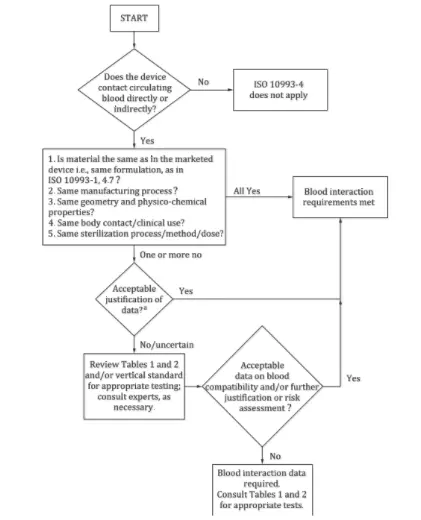 What is Hemocompatibility Testing ISO 10993?
 What is ISO 10993-5 Tests for In Vitro Cytotoxicit
 Electronic Product IEC 62368-1 Safety Testing
 What is an EU SDS (Safety Data Sheet)?
 What is the CA Prop 65 Warning Label?
 2026 Amazon TIC Mandatory Audit Catalog
 Australian Electrical EESS and RCM Compliance
Leave us a message
24-hour online customer service at any time to respond, so that you worry!