



ASTM F2057 Standard ISO 17025 Test Report
Clothing storage units refer to furniture with drawers or hinged doors used for storing clothes, such as wardrobes, cabinets, and dressers. These pieces of furniture are essential household items in daily life. However, if these products do not meet safety standards, they may pose risks to consumer health and safety. To ensure consumer safety, the U.S. Consumer Product Safety Commission (CPSC) has mandated ASTM F2057-2023 as the compulsory safety regulation for clothing storage units.
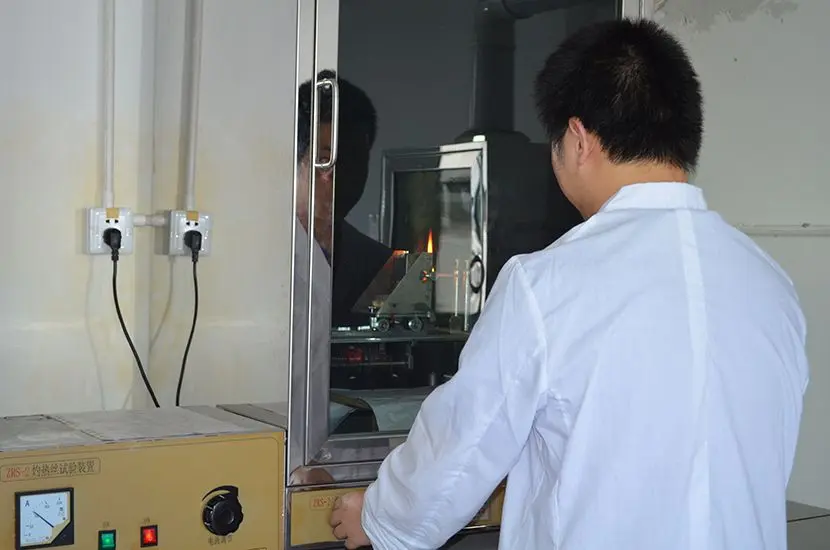
ASTM f2057-23 Standard Overview
ASTM F2057-23 (Standard Safety Specification for Clothing Storage Units) primarily aims to reduce injuries and fatalities among children caused by furniture tip-overs. The standard covers wardrobes, dressers, and drawer chests and provides detailed procedures for drawer stability testing. During testing, the unit must not tip over or be supported solely by open drawers, doors, or lids.
Key Safety Requirements of ASTM F2057-2023
(1) Stability Requirements
- Clothing storage units must remain stable on the ground without tipping over or sliding.
- Manufacturers must use stable support structures such as four-legged bases or anchoring devices to ensure stability during use.
(2) Flammability Requirements
- The outer surface of clothing storage units must be made of flame-retardant materials to reduce fire risks.
- Internal filling materials must also have flame-retardant properties to prevent fire spread and minimize harm to young children.
(3) Small Parts Requirements
- Clothing storage units should not contain detachable small parts to prevent choking hazards for young children.
- If detachable small parts are present, manufacturers must affix warning labels to alert parents to potential risks.
(4) Other Safety Requirements
- Metal Component Safety: There must be no exposed sharp edges or points to prevent injuries to children.
- Material Safety: Surface coatings must be non-toxic and non-corrosive to ensure safety.
- Warning Labels: Clothing storage units must include clear warning labels to remind parents of potential hazards.
Testing and Certification Requirements
(1) Warning Label Requirements
- The updated ASTM F2057-23 standard introduces a permanent warning label requirement.
- This warning label must include a pictogram with a hazard symbol showing a child climbing a clothing storage unit, warning consumers of potential safety risks.
- Permanent Label Standards:
- Paper Labels: If they cannot be completely removed without tools or solvents, or if removal damages the label or the adhered surface, they are considered permanent.
- Non-Paper Labels: If they cannot be removed without tools or solvents, or if removal damages the adhered surface, they are considered permanent.
- Direct Surface Application Labels: These must pass the ASTM D3359 “Standard Test Method for Measuring Adhesion by Tape Test.”
(2) Scope of the Standard
- ASTM F2057-23 applies to free-standing clothing storage units with a height of ≥30 inches, such as wardrobes, dressers, and chests of drawers.
- It does not apply to bookshelves, office furniture, dining room furniture, jewelry cabinets, under-bed storage units, or built-in storage units.
(3) Additional Certification Information
- Regulatory Authority: CPSC (U.S. Consumer Product Safety Commission)
- Applicable Products: Furniture (Clothing Storage Units)
- Testing Duration: Standard service - 5 business days (Expedited service TBD)
- Sample Requirements: 1 finished product
ASTM F2057-2023 is a crucial safety standard for children's furniture, aiming to reduce injuries caused by furniture tip-overs. The standard sets strict requirements for stability, flammability, small parts safety, and warning labels. Manufacturers must comply with this standard to produce safe clothing storage units, and consumers should be aware of safety considerations when purchasing and using these products to ensure children's safety.
Email:hello@jjrlab.com
Write your message here and send it to us
 FCC Certification Requirements and Costs for Consu
 EMC Testing Lab IEC 60601 Medical Electrical Safet
 What are the FCC Testing Requirements for Bluetoot
 Australia RCM Certification for Radio Devices
 RED Cybersecurity EN 18031 Standard
 Compliance Testing for EMC
 What is Amazon Toy Compliance?
 What is Cytotoxicity ISO 10993-5
Leave us a message
24-hour online customer service at any time to respond, so that you worry!