



Australia/New Zealand Children's Toy Regulations
The requirements for toys in Australia and New Zealand are mainly reflected in the as/nzs iso 8124 series of standards. For electrical toys, they shall also comply with the relevant safety requirements of AS/NZS 62115. In addition, Australia has issued a series of mandatory standards and ban notices in accordance with the Australian Consumer Law and the Trade Practices Act, which also include relevant safety requirements for toys.
Regulation/Standard | Standard Name | Main Content |
AS/NZS 8124.1 | Mechanical and Physical Properties | This standard specifies the requirements and test methods for the mechanical and physical properties of toys intended for use by children under 14 years of age. |
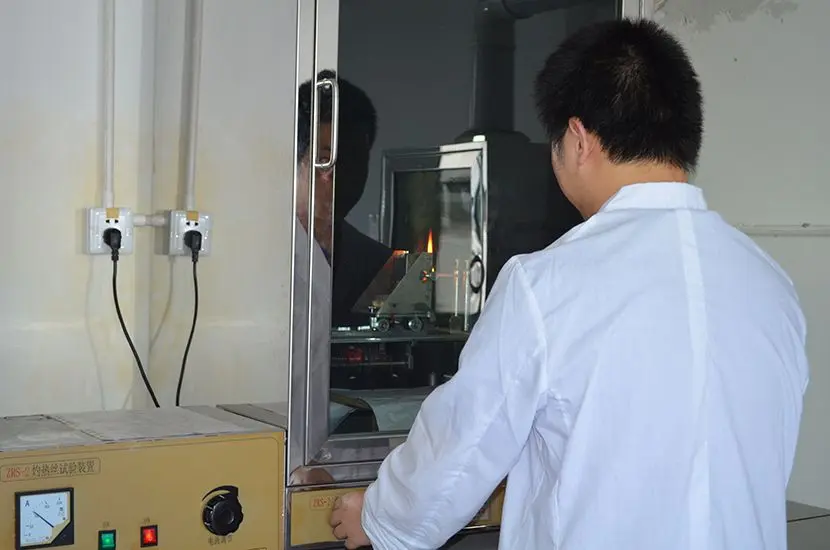
AS/NZS 8124.2 | Flammability Properties | This standard specifies the categories of flammable materials prohibited for use in all toys and the flammability requirements for certain toys that may come into contact with small ignition sources. |
AS/NZS 8124.3 | Migration of Certain Elements | This standard specifies the test methods and limits for 8 soluble heavy metals in accessible toy materials. |
AS 8124.4 | Test Devices for Chemical and Related Activities | This standard specifies the maximum dosage requirements for certain substances and preparations used in chemical experimental equipment and related activities. |
AS 8124.5 | Chemical Sets Except Experimental Toys | This standard specifies the requirements and test methods for substances and materials used in chemical sets other than experimental toys. |
AS/NZS 8124.6 | Swings, Slides and Similar Activity Toys for Indoor and Outdoor Domestic Use | This standard specifies the special requirements and corresponding test methods for domestic entertainment toys intended for play by children aged 14 and under. |
AS/NZS 8124.7 | Requirements and Test Methods for Finger Paints | This standard specifies the requirements for substances and materials in finger paints. |
SA/SNZ TR 8124.8 | Age Determination Guidelines | This standard helps guide the determination of reasonable age groups for specific toys. |
AS/NZS 8124.9 | Organic Compounds - Requirements | This standard specifies special requirements for the migration or presence of certain harmful organic compounds from certain toys or toy materials. |
AS/NZS 8124.10 | Organic Compounds - Sample Preparation and Extraction | Pretreatment procedures for the test items in AS/NZS 8124.9. |
AS/NZS 8124.11 | Organic Compounds - Analytical Methods | Instrumental analysis of the pretreated samples from AS/NZS 8124.10. |
AS/NZS 8124.12 | Determination of Total Content of Certain Elements in Toys | This standard specifies the test methods for the total content of elements such as lead, mercury, cadmium, chromium, antimony, selenium, arsenic, and barium. |
AS/NZS 62115 | Safety of Electrical Toys | This standard specifies requirements for electrical toys in terms of marking and instructions, input power, heating and abnormal operation, electrical insulation strength at operating temperature, resistance to moisture, electrical strength at room temperature, mechanical strength, structure, protection of flexible cords and wires, components, screws and connections, electrical clearance and creepage distance, heat resistance and flame resistance, radiation, toxicity and similar hazards. |
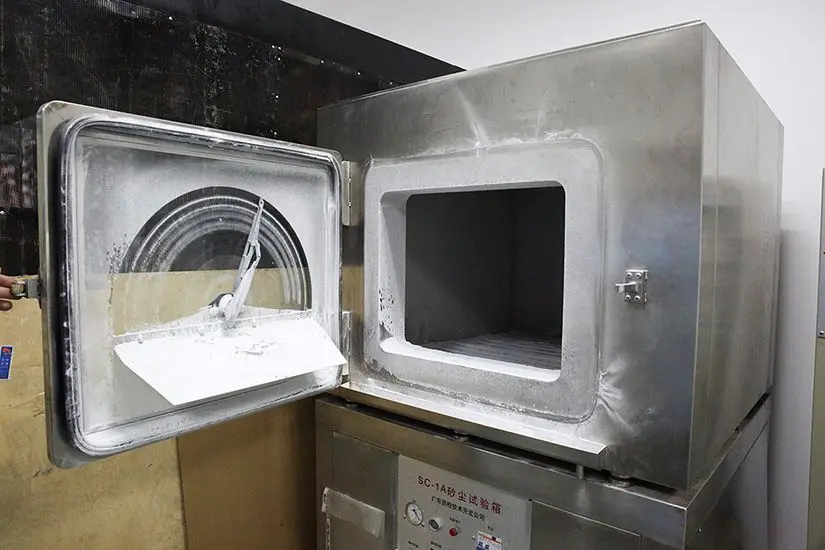
China JJR Laboratory provides toy compliance testing, and JJR is an ISO/IEC 17025 accredited laboratory.
Email:hello@jjrlab.com
Write your message here and send it to us
 What is LFGB Certification Meaning
 EU Food Contact Materials (FCM) EC 1935/2004 Stand
 LFGB Germany Food Contact Materials Official
 Australia & New Zealand RCM Registration Requi
 Japan MIC Wireless Certification Testing
 Canada RSS-247 Testing Lab
 LVD and EMC Testing for Power Adapters
 IEC 62133-2 Lithium Battery Testing Laboratory
Leave us a message
24-hour online customer service at any time to respond, so that you worry!