



Toy and Children's Product Regulations in Japan
The Japanese Food Sanitation Act stipulates requirements for the raw materials and finished products of children's toys. In addition, the ST Standard issued by the Japan Toy Association is also a widely applied requirement. The current standard, ST 2016, came into effect on April 1, 2016, specifying requirements for toys' mechanical and physical properties, flammability, chemical properties, and labeling, among others. For details, refer to the new toy safety standard ST 2016 released by the Japan Toy Association.
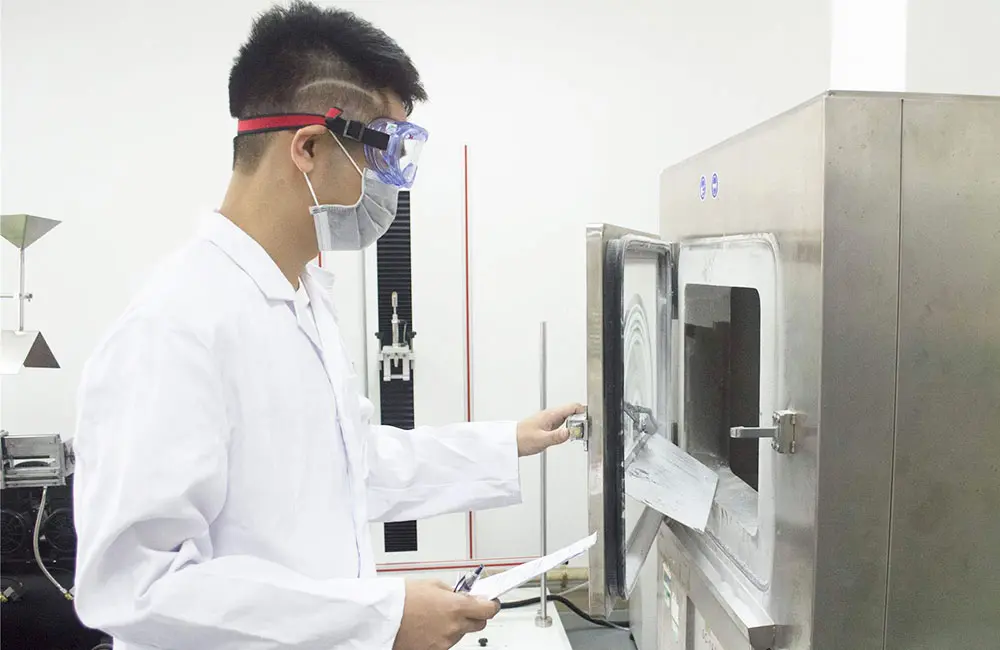
Regulation/Standard | Standard Name | Main Content |
ST 2016 Part 1 | Mechanical and Physical Properties | This standard specifies requirements and test methods for the mechanical and physical properties of toys intended for use by children under 14 years of age. |
ST 2016 Part 2 | Flammability | This standard defines the categories of flammable materials prohibited for use in all toys, as well as flammability requirements for certain toys that may come into contact with small fire sources. |
ST 2016 Part 3 | Chemical Properties | This standard covers test items including but not limited to:1. Colorants2. Soluble eight heavy metals in surface coatings of toy materials (including but not limited to paints, inks, varnishes, etc.) and inks in drawing tools3. Colorimetric testing for lead, arsenic, and cadmium4. Migration of color substances5. Evaporation residues6. Potassium permanganate consumption7. Formaldehyde content in textiles8. Phthalate content in polyvinyl chloride (PVC) materials |
China JJR Laboratory is an ISO/IEC 17025-accredited laboratory that provides toy compliance testing services. For inquiries about fees, please feel free to contact us.
Email:hello@jjrlab.com
Write your message here and send it to us
 What is Recycling of WEEE
 What is PPWR Packaging Compliance
What is Extended Producer Responsibility
What is PPWR Packaging Compliance
What is Extended Producer Responsibility
 Children's Toy Compliance: Avoiding CPSC Recalls
 Export Electric Blanket Compliance: Preventing CPS
 What is LFGB Certification Meaning
 EU Food Contact Materials (FCM) EC 1935/2004 Stand
 LFGB Germany Food Contact Materials Official
Leave us a message
24-hour online customer service at any time to respond, so that you worry!