



Australia RCM Certification Introduction
RCM certification is an identification introduced by Australia and New Zealand to achieve unified identification of electrical products. This symbol is a trademark owned by regulatory authorities in Australia and New Zealand, indicating that the product meets safety and electromagnetic compatibility requirements and is mandatory.
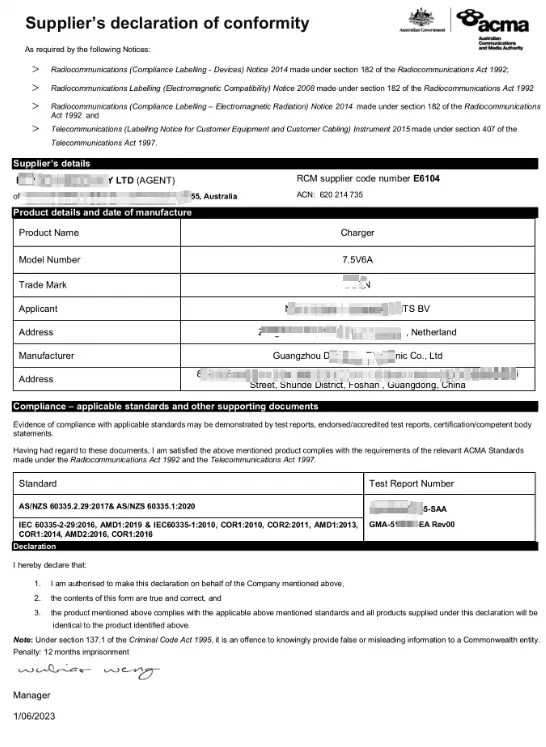
rcm certification controls electrical products mainly divided into non-regulated and regulated categories. Non-regulated products do not require registration, but regulated products need to be registered. Currently, only Level 3 electrical products need to be registered, including power adapters, vacuum cleaners, and other high-risk categories.
Generally, the rcm logo should be displayed on the product label. The new RCM logo does not require an agent number, which has been in effect since March 1, 2016.
Basic Information of RCM Certification
- Certification Type: Mandatory certification
- Factory Inspection Required: No
- Local Representative Required: Yes
- Certificate Validity Period: 2 years, 3 years, 5 years
- Application Period: One week after obtaining safety certification and C-Tick/emc report
RCM Applicable Regions
Australia, New Zealand, Nauru, Fiji, Solomon Islands, Kiribati, Federated States of Micronesia, Tuvalu, Tonga, Marshall Islands, Vanuatu, Papua New Guinea, Samoa.
RCM Certification Content
RCM = Safety + EMC + Importer Declaration
Safety (Product Safety Certification)
- Regulated electrical products need to obtain approval certificates, indicating the certificate number, which is issued by states or regions.
- Non-regulated electrical products can be sold directly without certification but must comply with relevant standards.
EMC (Electromagnetic Compatibility)
- Products are classified into three categories based on the degree of electromagnetic interference, and second and third category products must have a C-Tick mark, but all products must comply with relevant EMC standards.
Application Process
1. Third-party laboratory evaluates the product and determines testing standards.
2. If there are non-compliance issues, the product is rectified.
3. After passing the test, a report is issued.
4. Submit the report for document review.
5. After approval, the rcm certificate is issued.
6. Complete the registration on the Australian website.
Relationship between saa certification, C-Tick, A-Tick, and RCM
saa certification controls safety regulations, c-tick certification controls EMC and radio products, and A-Tick certification controls telecommunications products. The RCM symbol is a certification mark introduced in 2013. After obtaining safety and electromagnetic compatibility registration, products can obtain the RCM symbol through safety certification regulatory agencies. Starting March 1, 2016, all electronic products sold must use the RCM symbol; A-tick and C-tick symbols will be replaced. RCM can be understood as a registration system, which includes SAA and C-TICK.
Email:hello@jjrlab.com
Write your message here and send it to us
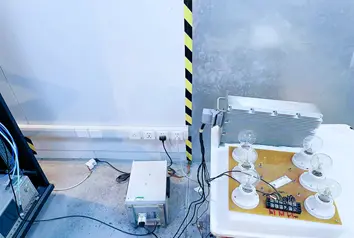 How to get a UL 60335 Test Report
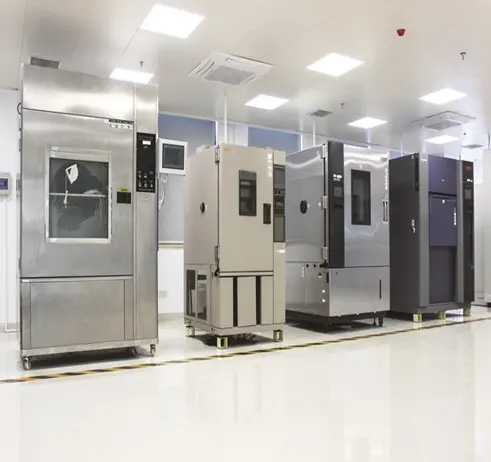 What is UL 60335 Certification Compliance?
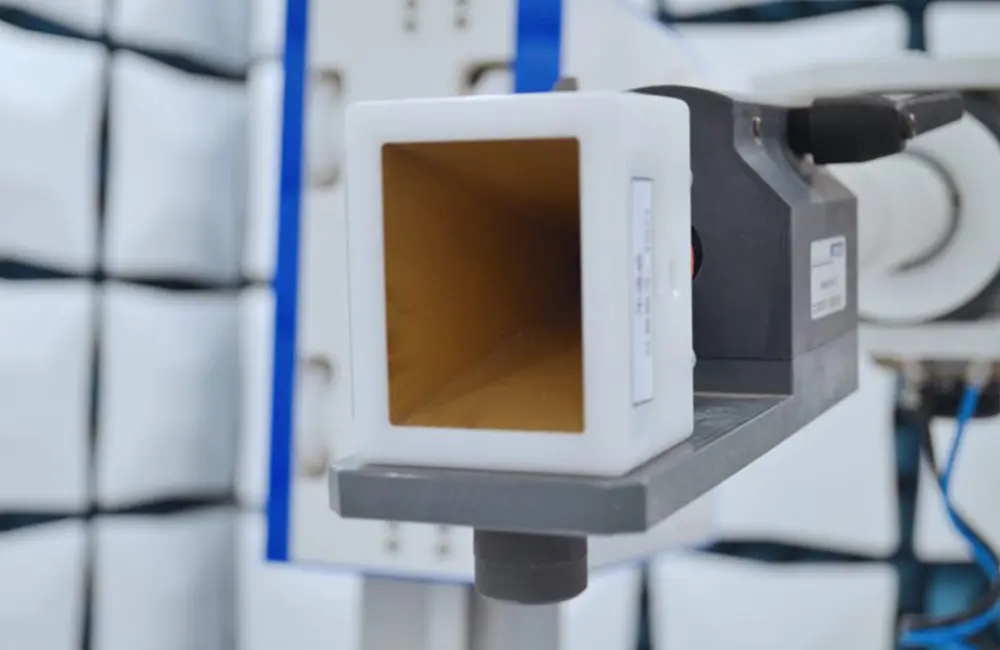 What is EN 61000 Certification Compliance?
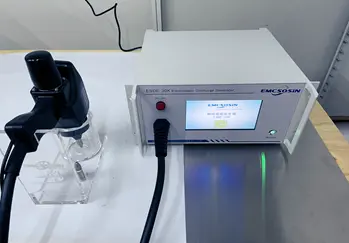 How to get an EN 61000 Test Report?
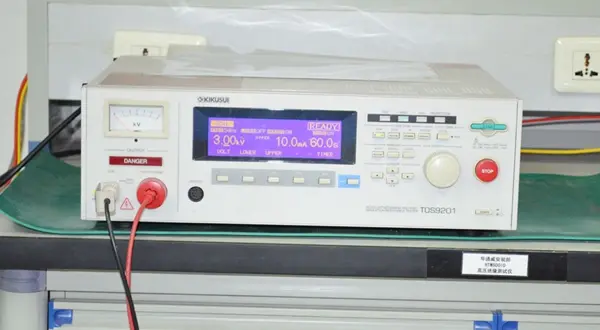 What is the Amazon EN 55035 Standard?
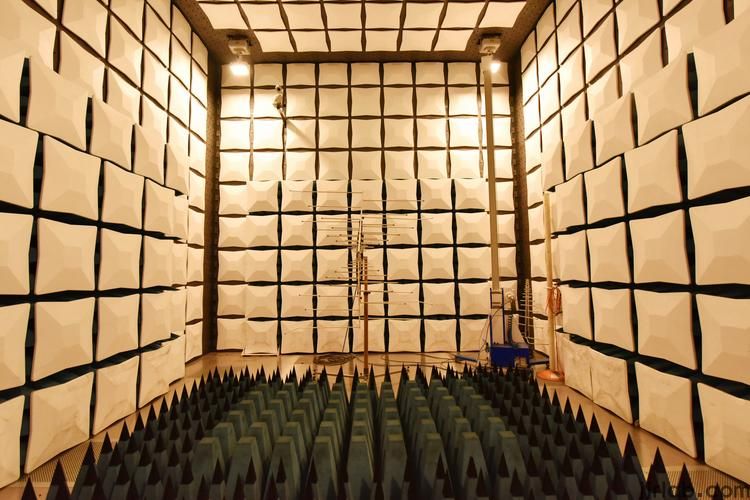 What is EN 55035 Certification Compliance?
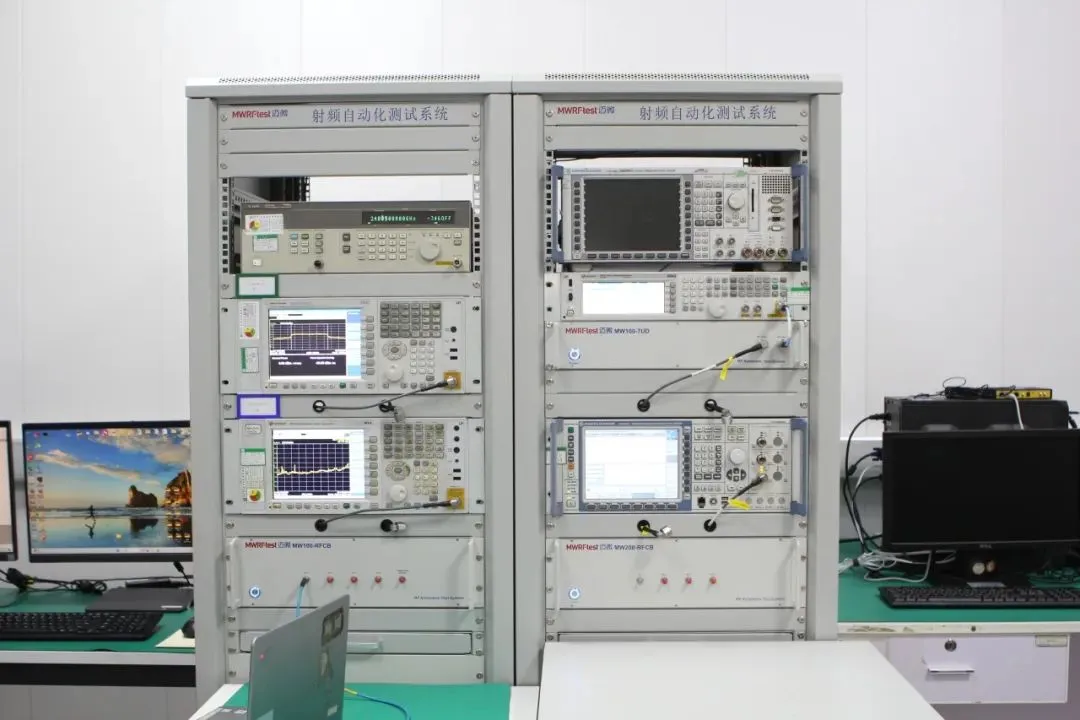 How to get the EN 55035 Test Report?
 What is the Amazon EN 301 489 Standard?
Leave us a message
24-hour online customer service at any time to respond, so that you worry!