



Australian Children's Toy Certification AS/NZS ISO 8124
On February 12, 2021, Standards Australia issued the new version of as/nzs iso 8124.3:2021 Toys Safety - Part 3: Migration of Certain Elements. The Australian toy standard AS/NZS iso 8124 is a joint toy safety standard formulated by Australia and New Zealand, aiming to ensure the safety and quality of toy products. This standard specifies the general safety requirements, structural and labeling requirements, as well as test methods for toy products.
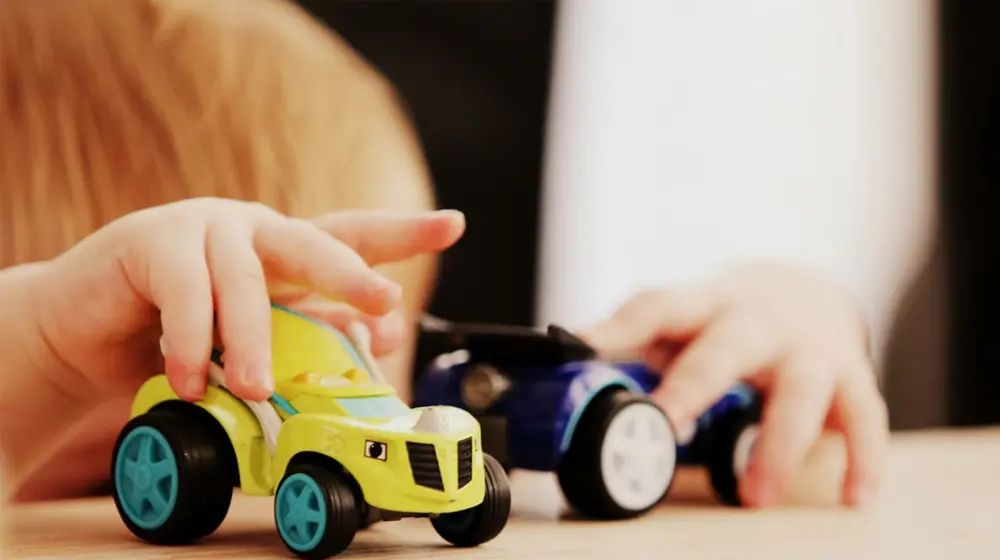
Scope of AS/NZS ISO 8124
It applies to all toys, i.e., any product designed or explicitly intended for play by children under 14 years of age. They apply to toys as initially received by consumers. In addition, unless otherwise specified, they apply to toys after being subjected to reasonably foreseeable conditions of normal use and abuse.
Australian Toy Testing Standards (AS/NZS/ISO 8124 Certification)
1. Physical and Mechanical Performance testing
It specifies the mechanical and physical performance requirements for toys, such as safety regulations on small parts, edges, tips, protrusions, cords, etc., to prevent children from being injured by these characteristics of toys. For example, small parts that fall off may be swallowed by children, and sharp edges or tips may scratch children.
2. Flammability Testing
It mainly covers the flammability performance requirements and test methods for toys, aiming to ensure that toys will not cause burn hazards to children due to flammability under normal use or foreseeable conditions. For example, the flammability of materials used in plush toys shall be tested to avoid rapid combustion when exposed to fire sources.
3. Heavy Metal Testing
This part specifies the migration limits of certain specific elements (such as heavy metals like lead, mercury, cadmium, chromium, etc.) in toys. If these elements enter children's bodies through contact with toys, they may pose potential hazards to children's health, such as affecting children's nervous system development and causing organ damage.
AS/NZS ISO 8124.1:2023 specifies the requirements for Australian voluntary standards and similar foreign standards, aiming to minimize the risk of choking or suffocation of young children caused by small parts in toys, thereby preventing serious injuries or deaths. The standard also puts forward new requirements for the battery compartments of toys. If a toy gun is electric, its electrical parts must comply with relevant electrical safety standards, such as insulation performance and electric shock resistance.
How to Apply for AS/NZS ISO 8124 Test Report
1. Consultation and quotation
2. Fill in the application form and sign the contract
3. Send the samples to JJR Laboratory (China)
4. Pay the certification fee and initiate the testing project
5. Issue the draft report for confirmation
6. Issue the official report after verification
Email:hello@jjrlab.com
Write your message here and send it to us
 How to get an EN 301 893 test report?
 What is EN 301 893 Certification Compliance
 What is the CSA 62368-1 Standard?
 Canadian Pacifier Compliance SOR/2016-184
 US Agent for FCC & EC REP for CE: Compliance R
 What is Recycling of WEEE
 What is PPWR Packaging Compliance
What is Extended Producer Responsibility
What is PPWR Packaging Compliance
What is Extended Producer Responsibility
Leave us a message
24-hour online customer service at any time to respond, so that you worry!