



Canada Children's Toy Certification Compliance Guide 2026
Core Certification Regulatory System
Children's toys in Canada must comply with multiple SOR (Statutory Orders and Regulations) under the framework of the Canada Consumer Product Safety Act (CCPSA), forming a threefold protection system of physical safety + chemical safety + labeling compliance:
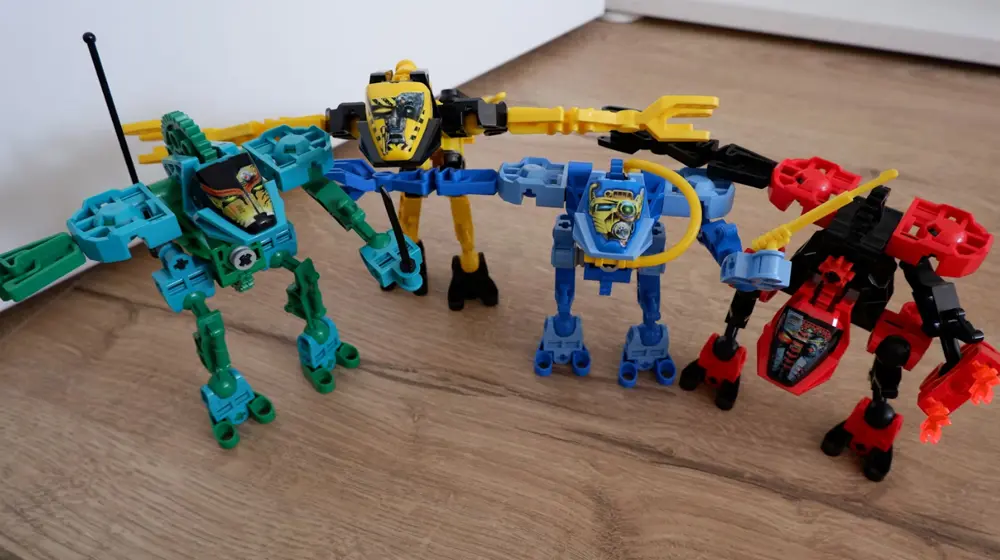
sor/2011-17 Canada Toy Regulations
Mechanical and Physical Safety
1. Toys intended for children under 3 years old shall not contain detachable small parts (except soft textile fiber materials). For example, the eyes of plush toys must pass a 44.5N pull test.
2. The projectile end of projectile toys must be equipped with a protective head, which shall withstand a pull force of 10 pounds (44.5N) without detachment.
3. Toys designed to bear children’s weight (e.g., toy cars) must pass stability tests to prevent tipping hazards.
Flammability Performance
1. The burning rate of toy materials shall not exceed 30mm/s.
2. Plush toys must pass vertical flammability tests.
SOR/2016-188 Phthalate Regulations
Limits of phthalates in polyvinyl chloride (PVC) materials of toys:
1. Total content of DEHP, DBP and BBP ≤ 1000mg/kg.
2. For parts that can be put into the mouth of children under 4 years old, total content of DINP, DIDP and DNOP ≤ 1000mg/kg.
SOR/2016-193 Surface Coating Materials Regulations
1. Total lead content in toy surface coatings ≤ 90mg/kg.
2. Total mercury content in toy surface coatings ≤ 10mg/kg.
SOR/2018-83 Lead-Containing Consumer Products Regulations
Lead content in toys that come into contact with children’s mouths (e.g., whistles, pacifiers) ≤ 90mg/kg.
SOR/2023-101 Strollers and Carriages Regulations
1. Prohibited hazardous substances: Carbon tetrachloride, benzene, boric acid and other harmful substances are prohibited.
2. Phthalate restrictions: Total content of 6 substances including DEHP, DBP and BBP in accessible parts ≤ 1000mg/kg.
Full Process of Certification
Step 1: Select a Testing Laboratory
Prioritize laboratories accredited with ISO 17025 to ensure test reports meet CCPSA requirements.
Step 2: Sample Preparation and Testing
Testing Items
1. Physical tests: Small part detachment, sharp edges, stability, flammability performance.
2. Chemical tests: Total lead, total mercury, phthalates, soluble heavy metals.
3. Labeling tests: Bilingual marking, age grading, completeness of warning statements.
Sample Quantity
Generally, 2–3 complete samples (including packaging and labels) are required.
Step 3: Report Review and Certification
1. After the laboratory issues a draft report, verify the accuracy of test data and product information.
2. The formal report is valid for 5 years, but regular updates are required to comply with regulatory revisions.
Step 4: Compliance Upload to Platforms
E-commerce platforms such as Amazon Canada require the upload of the following documents:
1. Test report (must bear the laboratory’s CNAS and ILAC seals).
2. Actual product photos (showing bilingual labels and age grading).
3. Manufacturer information (name, address, contact details).
Key Compliance Requirements
Labeling and Warning Statements
1. Bilingual requirement: All text and warning statements must be in both English and French.
2. Age grading: Clearly mark the applicable age group (e.g., "3–6 Years").
3. Small part warning: Products for children over 3 years old containing small parts must be labeled with "Choking Hazard".
Chemical Substance Control
1. Heavy metal limits: Total lead in coatings ≤ 90mg/kg; total mercury ≤ 10mg/kg.
2. Phthalates: Total content of 6 substances including DEHP in PVC materials ≤ 1000mg/kg.
Physical Safety Design
1. Smooth edges: Toy corners and edges must pass a fillet test with a radius ≥ 2.5mm.
2. Stability: Toys bearing children’s weight must pass a tilt test (no tipping at an angle ≥ 10°).
Common Issues and Avoidance Guide
Incomplete Label Information
① Issue: Missing French warning statements or ambiguous age grading.
② Solution: Use bilingual templates and clearly mark "Ages 3+" or "Not for children under 3 years".
Excessive Chemical Substances
① Issue: Excessive lead and phthalate levels caused by recycled plastics or low-cost coatings.
② Solution: Select lead-free and PVC-free materials, and require suppliers to provide chemical test reports.
Small Part Hazards
① Issue: Detachable small parts in toys for children under 3 years old.
② Solution: Adopt ultrasonic welding or one-piece molding processes to prevent part detachment.
E-commerce Platform Delisting
① Issue: Failure to upload compliant reports or use of expired reports.
② Solution: Update reports regularly and retain original test records for inspection.
Certification Cycle and Costs
1. Testing cycle: 5–7 working days for basic tests; 2–3 weeks for complex projects (e.g., chemical migration tests).
2. Validity period: Certification certificates are valid for 5 years, but annual updates of test reports are required to keep up with regulatory changes.
Summary and Recommendations
Key Compliance Priorities
Chemical safety, bilingual labeling, physical safety design.
Recommendations for Enterprises
1. Integrate compliance requirements into the design phase to avoid costs of post-production modifications.
2. Establish a supplier chemical substance management system and require the provision of raw material test reports.
Email:hello@jjrlab.com
Write your message here and send it to us
 How to get an EN 301 893 test report?
 What is EN 301 893 Certification Compliance
 What is the CSA 62368-1 Standard?
 Canadian Pacifier Compliance SOR/2016-184
 US Agent for FCC & EC REP for CE: Compliance R
 What is Recycling of WEEE
 What is PPWR Packaging Compliance
What is Extended Producer Responsibility
What is PPWR Packaging Compliance
What is Extended Producer Responsibility
Leave us a message
24-hour online customer service at any time to respond, so that you worry!