



Canadian Children's Toy Testing Standard SOR/2011-17
Canadian Toy Testing Standards and Market Regulations (SOR)
In Canada, the government has formulated strict laws, regulations and standards for the quality and safety control of toy products to ensure the safety and compliance of children's toys. The following is a detailed elaboration on Canada's toy testing standards and market regulations (SOR):
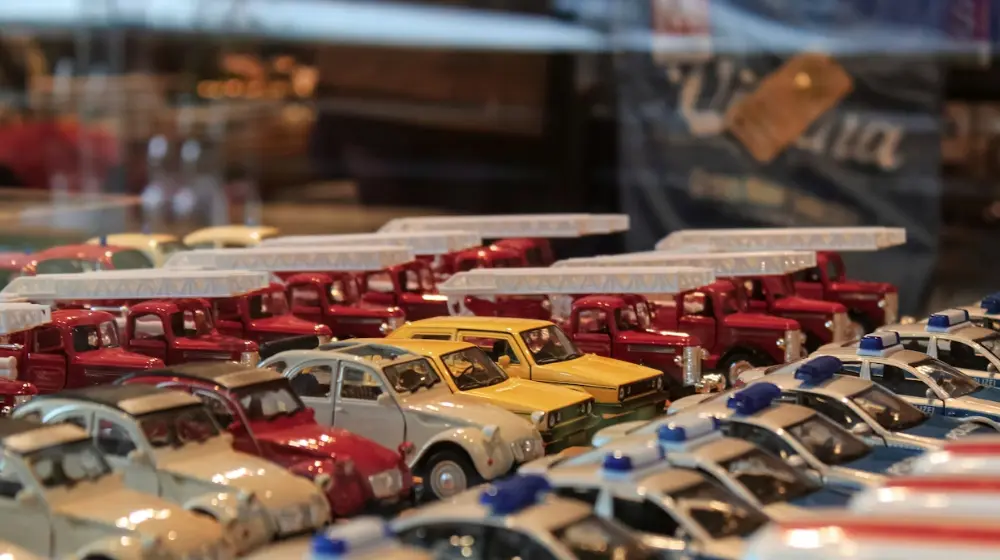
Main Regulations
Canada Consumer Product Safety Act (CCPSA)
Canada enacted the Canada Consumer Product Safety Act (CCPSA) on December 15, 2010, which serves as the cornerstone of consumer product safety regulation in Canada.
All toys intended for children aged 14 and under must comply with the federal safety standards specified in the CCPSA.
Toy Regulations (sor/2011-17)
The new Toy Regulations have replaced the original Hazardous Products (Toys) Regulations and have been officially implemented since June 20, 2011.
As the primary regulation governing the market access of toy products in Canada, this regulation mandates that toys must meet specific requirements for physical and mechanical properties, flammability, chemical safety and labeling.
Specific Testing Standards
Physical and Mechanical Properties
Toys must withstand normal use and abuse testing to ensure their structural integrity and safety.
Tests may include drop tests, compression tests, tensile tests, etc., to evaluate the performance of toys under external forces.
Flammability
Toy materials must possess a certain degree of flame retardancy to prevent fire accidents.
Tests usually involve placing toys under specific conditions to observe their combustion rate and residues after combustion.
Chemical Safety
Toys must not contain hazardous substances exceeding the specified limits, such as lead, mercury and phthalates.
The specific requirements are as follows:
• SOR/2016-193 Surface Coating Materials Regulations: The total lead content in surface coating materials of children's toys shall not exceed 90mg/kg, and the total mercury content shall not exceed 10mg/kg.
• SOR/2016-188 Phthalates Regulations: Polyvinyl chloride (PVC) in toys shall not contain phthalates such as DEHP, DBP and BBP exceeding the specified concentrations. For toy parts that may be put into the mouth by children under 4 years old, the content of DINP, DIDP or DNOP in their PVC shall also not exceed the specified concentrations.
• SOR/2018-83 Lead-Containing Consumer Products Regulations: For children's toys that come into contact with the user's mouth during normal use, the lead content shall not exceed 90mg/kg. However, in certain cases, this requirement may be exempted, such as when lead is closely related to the basic characteristics of the component, there are no alternative components with lower lead content, or the lead release amount of the component does not exceed 90mg/kg.
Labeling Requirements
Toys must be accompanied by clear and accurate safety warnings and labels to guide consumers in the correct use and storage of the toys.
All written statements or warning messages must be marked in both English and French.
Toys should also include age grading information to guide consumers in selecting appropriate toys according to children's ages.
Market Guidelines
Toys sold in the Canadian market must comply with the above-mentioned laws, regulations and standards to ensure their safety and compliance.
Manufacturers, importers and distributors shall conduct strict testing and evaluation on the toys they sell to ensure that the products meet relevant requirements.
The Canadian government also regularly conducts random inspections and evaluations on toys in the market to ensure that they comply with regulatory requirements. For toys that fail to meet the requirements, the government will take necessary measures such as recall or destruction.
Canada has very strict requirements for the quality and safety control of toy products. Manufacturers and importers must strictly abide by relevant laws, regulations and standards to ensure the compliance and safety of their products in the Canadian market.
Email:hello@jjrlab.com
Write your message here and send it to us
 What is Recycling of WEEE
 What is PPWR Packaging Compliance
What is Extended Producer Responsibility
What is PPWR Packaging Compliance
What is Extended Producer Responsibility
 Children's Toy Compliance: Avoiding CPSC Recalls
 Export Electric Blanket Compliance: Preventing CPS
 What is LFGB Certification Meaning
 EU Food Contact Materials (FCM) EC 1935/2004 Stand
 LFGB Germany Food Contact Materials Official
Leave us a message
24-hour online customer service at any time to respond, so that you worry!