



Children's Product Certificate CPC Requirements CPSC
The Children's Product Certificate (CPC), mandated by the U.S. Consumer Product Safety Commission (CPSC), is a safety certification requirement for children's products. It covers physical and mechanical properties, flammability, chemical composition, electrical safety, hygiene, and other relevant aspects.

Pursuant to Section 14 of the Consumer Product Safety Act (CPSA) and Title 16 CFR Part 1110, domestic manufacturers and importers must ensure their products pass tests conducted by JJR, a CPSC-accredited third-party laboratory, and obtain a valid CPC before marketing in the U.S.
Children's products refer to consumer goods designed or intended for use by children. They must comply with applicable safety regulations and children's product safety rules. Each product requires comprehensive testing by a CPSC-accredited laboratory to cover all mandatory test items, with corresponding certification and test reports obtained.
Key Notes on Documentation
cpc certificate Requirements
A valid CPC must include (but not be limited to) the following information:
① Product Information: Product name, description, color, etc.
② Compliance Statement: Confirmation that the product meets all applicable CPSC children's product safety rules.
③ Manufacturer/Importer Details: Name, address, and contact phone number.
④ Certificate Holder Contact: Full name, address, email address, and phone number.
⑤ Production Information: Exact date and location of manufacture.
⑥ Testing Information: Date and location of testing.
⑦ Accredited Laboratory Details: Name, address, and contact phone number of the CPSC-accredited third-party laboratory (e.g., JJR).
For detailed CPC requirements:
https://www.cpsc.gov/Testing-Certification/Childrens-Product-Certificate-CPC
Test Report Requirements
Test reports must verify that the product has passed all mandatory tests required by relevant regulations. Key contents include (but not be limited to):
① Basic product information
② Applicable test standards
③ Test results
④ Laboratory signature/seal
⑤ Test sample images (and other mandatory report elements)
Important Reminders
1. SKU images must match the test report sample images (including color, pattern, design, etc.).
2. The age range specified in the test report must align with that shown on the product’s physical label.
3. All information must be consistent between the CPC and the test report.
4. Products must comply with both general and product-specific test standards.
Email:hello@jjrlab.com
Write your message here and send it to us
 What is Recycling of WEEE
 What is PPWR Packaging Compliance
What is Extended Producer Responsibility
What is PPWR Packaging Compliance
What is Extended Producer Responsibility
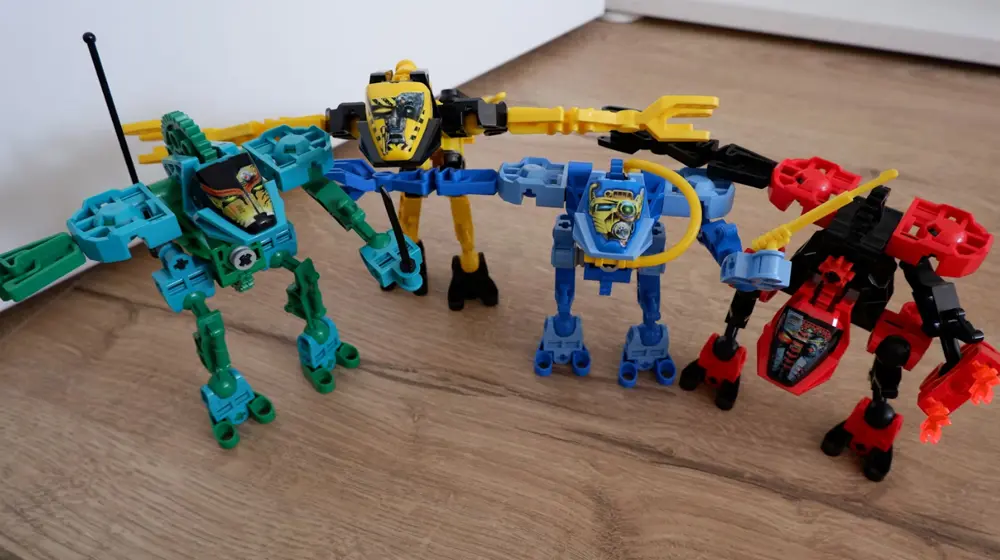 Children's Toy Compliance: Avoiding CPSC Recalls
 Export Electric Blanket Compliance: Preventing CPS
 What is LFGB Certification Meaning
 EU Food Contact Materials (FCM) EC 1935/2004 Stand
LFGB Germany Food Contact Materials Official
EU Food Contact Materials (FCM) EC 1935/2004 Stand
LFGB Germany Food Contact Materials Official
Leave us a message
24-hour online customer service at any time to respond, so that you worry!