



Biocompatibility Cytotoxicity Testing of Orthopedic Implants
cytotoxicity testing for Titanium Alloy Artificial Joints
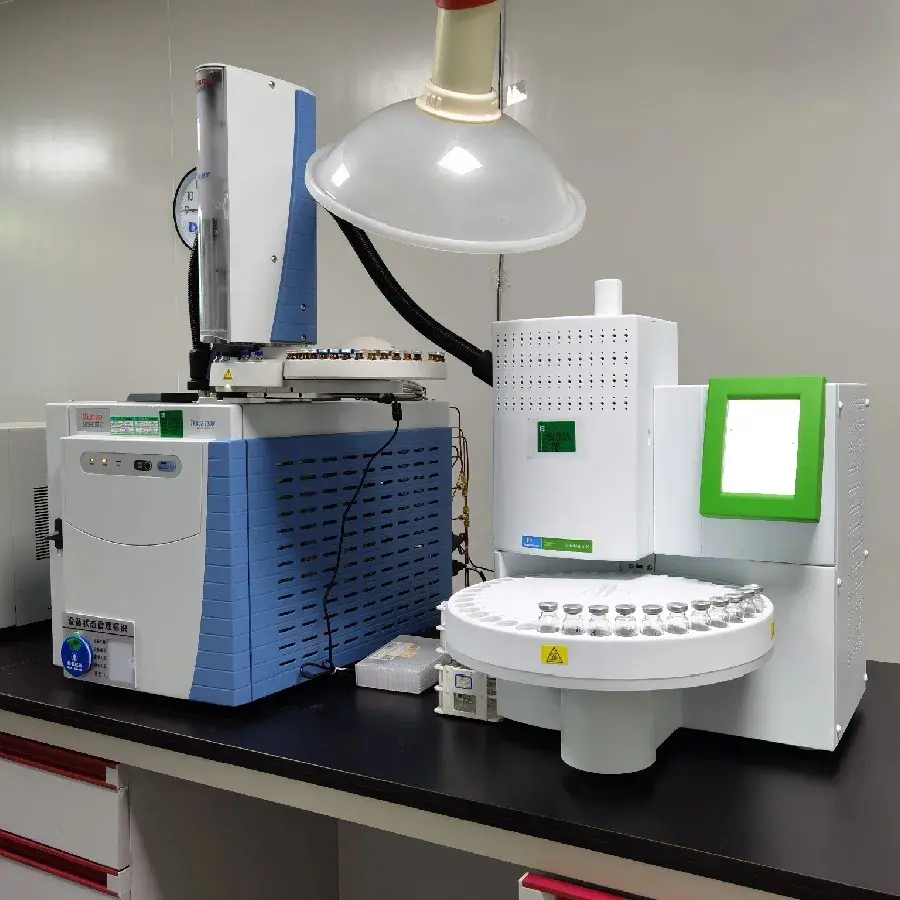
Titanium alloy artificial joints are used for hip and knee replacements, requiring long-term mechanical load-bearing and integration with bone tissue. China JJR Laboratory provides biocompatibility and cytotoxicity testing services.
Why is cytotoxicity testing Necessary?
Risk Factors:
Metal wear particles (e.g., titanium and aluminum ions) may induce osteoblast apoptosis or cause osteolysis.
Necessity:
Ensuring that materials do not release toxic substances under prolonged friction, which could affect bone regeneration.
EU Standards and Testing Methods
- iso 10993-5: Quantitative evaluation of extract inhibition rates on osteoblast cell lines using the MTT assay.
- ISO 21534: Orthopedic implant-specific standard requiring dynamic mechanical testing in conjunction with biocompatibility analysis.
Other Biocompatibility Tests
- Local Tissue Response: Rabbit muscle implantation tests assess inflammation and fibrosis levels.
- Fatigue Performance testing: Simulating material durability under human motion loads.
- Corrosion Testing: Electrochemical analysis of ion release levels.
Cytotoxicity Testing Cost
China JJR Laboratory, a GLP-accredited lab, offers cytotoxicity testing at a cost ranging from $500 to $600.
Email:hello@jjrlab.com
Write your message here and send it to us
 IEC 62133-2 Lithium Battery Testing Laboratory
 EN 55032 and EN 55035 Testing Laboratory
 FCC ID testing lab for Bluetooth earbuds
How to get an FCC ID and How Much Does It Cost
What is the EN 300 328 Testing Standard
 Amazon TIC Lithium Battery Appliance UL 60335-2-29
 What is the Difference Between EU PPWR and EPR?
 What is Japanese METI Registration
Leave us a message
24-hour online customer service at any time to respond, so that you worry!