



Cytotoxicity Testing of Cardiac Stents
Cardiac Stents: The Necessity of cytotoxicity testing and EU Compliance Pathways
Application Scenarios
Cardiac stents are used to treat coronary artery stenosis and must be implanted in blood vessels for the long term. They come into direct contact with blood and vascular endothelial cells. The material stability of the stent directly affects postoperative inflammation and the risk of thrombosis.
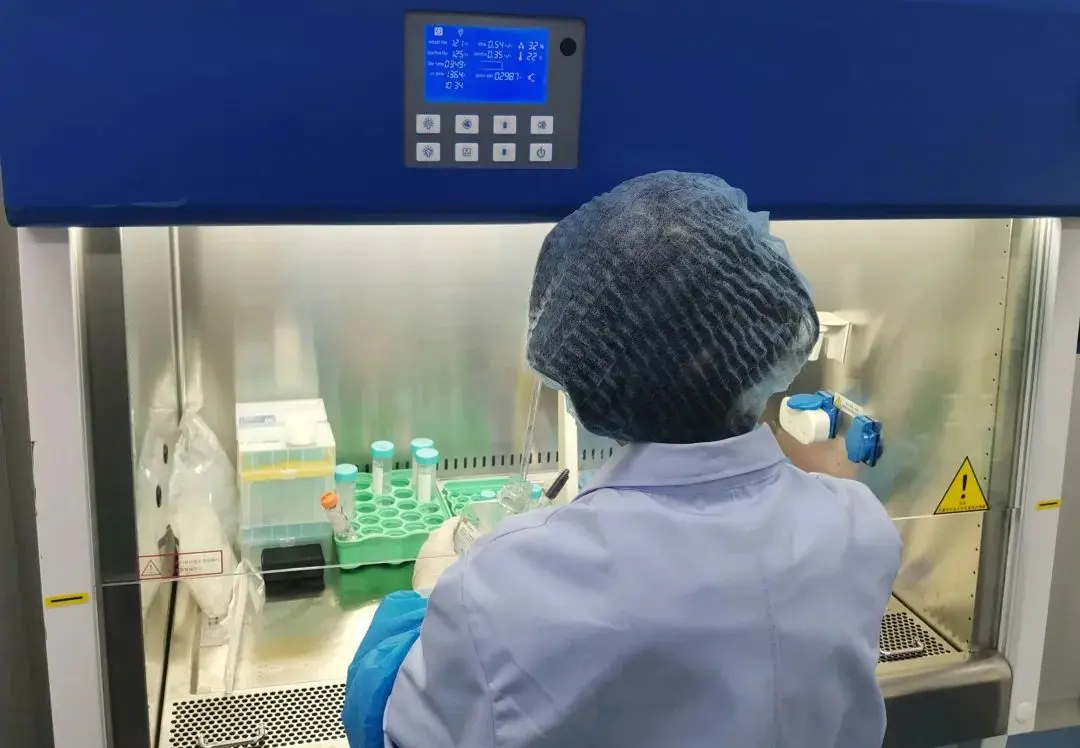
Why is cytotoxicity testing Necessary?
Risk Sources:
- Metal Stents (e.g., cobalt-chromium alloy) may release nickel and chromium ions.
- Polymer Coatings (e.g., polylactic acid) may degrade into byproducts that inhibit cell proliferation.
Necessity:
To prevent toxic substances from causing vascular endothelial cell damage or abnormal proliferation, which could lead to restenosis or thrombosis.
EU Standards and Compliance
- iso 10993-5: Specifies direct contact methods (co-culturing materials with L929 cells) and extract methods (simulating body fluid environments) to assess cell viability.
- ISO 10993-1: Requires high-risk implants to undergo a full set of biocompatibility tests.
Other Biocompatibility Tests
- Blood Compatibility: Hemolysis test to assess the risk of red blood cell rupture.
- Acute Systemic Toxicity: Mouse model test for short-term systemic reactions.
- Genotoxicity: Ames test to determine whether the material induces DNA mutations.
Cost of Cytotoxicity Testing
China JJR Laboratory is a GLP-certified laboratory, and the cost of cytotoxicity testing ranges from $500 to $600.
Email:hello@jjrlab.com
Write your message here and send it to us
 ISO 10993 Biocompatibility Standards
Medical TPV ISO 10993 Biocompatibility Testing
ISO 10993 Biocompatibility Standards
Medical TPV ISO 10993 Biocompatibility Testing
 FDA Requirements for Biocompatibility under ISO 10
 Amazon Spain WEEE Compliance Deadline: September 3
 What is the ASTM F2264 Certification Test?
 What is ASTM F2194 Certification Testing?
 What is the ASTM F2167 Certification Test?
 What is the ASTM F2050 Certification Test?
Leave us a message
24-hour online customer service at any time to respond, so that you worry!