



What is CE certification equivalent in USA?
CE stands for CONFORMITE EUROPEENNE. Any product affixed with the "CE" mark can be sold within all EU member states without complying with the separate requirements of each country, thus enabling the free circulation of goods across the EU. In the United States, its equivalent consists of a combination of fcc, UL, ETL, and csa certifications. These U.S. certifications serve similar purposes but are tailored to meet the specific regulatory requirements and standards of the United States.
fcc certification (Federal Communications Commission)
FCC certification is a mandatory certification issued by the U.S. Federal Communications Commission for electronic devices. Its primary purpose is to ensure that electronic devices comply with relevant communication regulations when used in the U.S. market.
FCC Certification Test Standards
① 47 CFR Part 15: Applies to electronic devices that unintentionally emit radio frequency (RF) energy, specifying limits for electromagnetic compatibility (EMC) and RF emissions.
② 47 CFR Part 22: Targets cellular communication equipment, regulating key indicators such as RF performance and frequency range.
③ 47 CFR Part 24: Applies to Personal Communication Service (PCS) devices, establishing relevant RF parameters and compatibility standards.
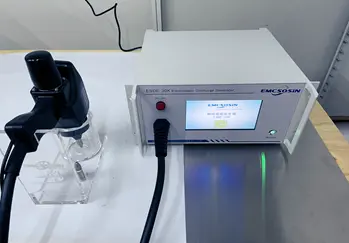
FCC Certification Test Items
① radiated emission test: Measures the RF energy radiated by the device into the environment to ensure it does not exceed specified limits and avoid interfering with other equipment.
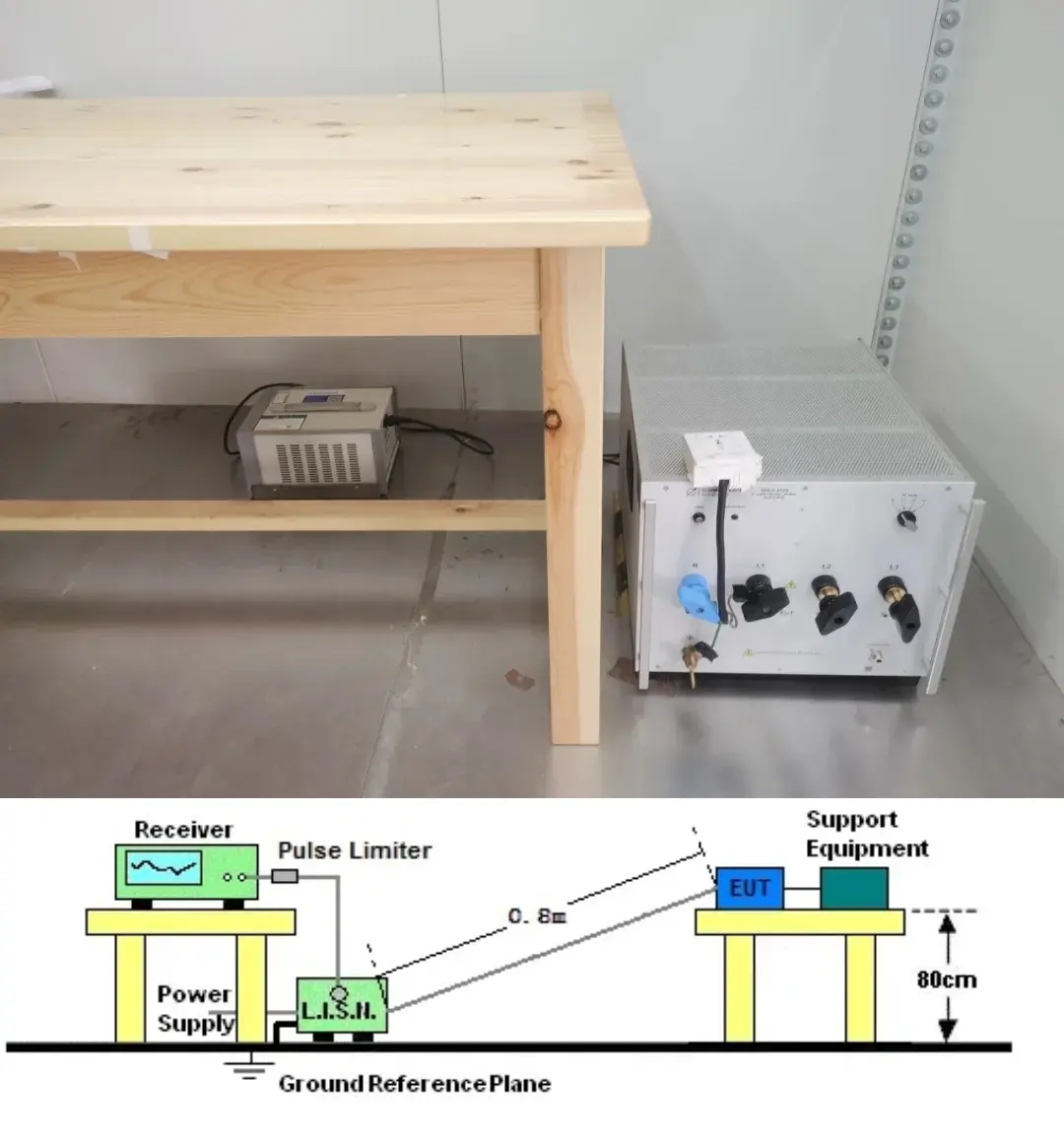
② Conducted Emission Test: Detects RF interference emitted by the device through conductive paths such as power leads.
③ Electromagnetic Susceptibility Test: Verifies the device’s ability to operate normally and resist external interference in the surrounding electromagnetic environment.
④ RF Performance Test: Includes transmit power, frequency accuracy, modulation precision, receive sensitivity, etc., to ensure the device meets communication performance standards.
FCC Certification Scope of Application
FCC certification applies to a wide range of devices, including but not limited to:
① Wireless communication devices (e.g., smartphones, Wi-Fi routers)
② Bluetooth-enabled devices
③ Baby monitors
④ Medical devices
⑤ Industrial, Scientific, and Medical (ISM) equipment
fcc certification process
3. Pre-test Preparation: Ensure the device design complies with FCC rules; prepare necessary documentation, including technical specifications and user manuals.
4. Testing: Conduct EMC and RF tests in an accredited laboratory, completing the core test items in accordance with FCC guidelines.
5. Certification Application: Submit test reports and other required documents to the FCC or an FCC-recognized Telecommunication Certification Body (TCB); pay applicable fees.
1. Review and Approval: The FCC or TCB reviews the submitted documents; if the device complies with FCC regulations, the FCC or TCB will issue an Equipment Authorization Certificate.
2. Marking: After obtaining certification, the device must be labeled with an fcc id (a unique identifier assigned by the FCC); the mark must be placed in a prominent location on the device.
3. Post-market Surveillance: Manufacturers must ensure ongoing compliance with FCC regulations; the FCC may conduct random inspections or request additional information to verify compliance.
UL certification (Underwriters Laboratories)
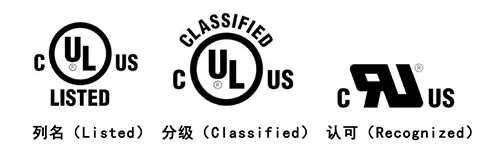
Unlike FCC certification, UL certification focuses on product safety. UL is primarily engaged in product safety certification and the issuance of safety compliance documents. Its ultimate goal is to ensure that products available in the market meet widely recognized minimum safety standards for the U.S. and Canadian markets. Any electrical, electronic, mechanical, or electromechanical product bearing the UL mark indicates that it has passed testing and complies with relevant product safety standards.
UL Certification Test Standards
① UL 60950-1: Safety standard for information technology equipment, applicable to computers, servers, printers, etc.
② UL 1004: Safety standard for electric motors, regulating electrical and mechanical safety requirements.
③ UL 94: Flammability test standard for plastic materials, used to rate the flame retardant properties of plastics.
④ ul 1310: Safety standard for power supply units, applicable to AC/DC and DC/DC power converters.
UL Certification Test Items
① Electrical Safety Test: Includes dielectric withstand test (to verify insulation performance), leakage current test (to prevent electric shock hazards), and ground continuity test (to ensure reliable grounding).
② Mechanical Safety Test: Verifies the structural strength of the device and the stability of component connections to prevent mechanical failures during use.
③ Fire Resistance Test: Conducts horizontal and vertical burning tests in accordance with UL 94 to evaluate the flame retardant properties of materials.
④ Temperature Rise Test: Monitors temperature changes of the device under normal operating and abnormal conditions to avoid safety risks caused by overheating.
⑤ Abnormal Condition Test: Simulates fault scenarios such as equipment malfunctions and overloads to verify the device’s safety protection capabilities.
UL Certification Scope of Application
UL certification covers a broad range of products and industries, including but not limited to:
① Electrical and electronic equipment
② Consumer products
③ Industrial equipment
UL Certification Process
1. Pre-evaluation: Initial consultation (manufacturers contact UL to discuss their products and intended uses); document review (UL audits product technical documents, including design drawings, schematics, and material specifications).
2. Testing: Laboratory testing (products undergo the core test items in UL-accredited laboratories to verify compliance with applicable safety standards); field testing (in some cases, products may also be tested under actual usage conditions).
3. Assessment: Technical review (UL engineers evaluate test results and product documentation to ensure compliance with safety standards); factory inspection (UL inspects manufacturing facilities to verify that production processes and quality control measures align with the approved design).
1. Certification Issuance: If the product meets all requirements, UL will issue a certification mark that can be affixed to the product.
5. Ongoing Surveillance: UL conducts regular follow-up inspections and tests to ensure continuous compliance with safety standards.
6. Maintenance: Recertification (products may require periodic recertification to maintain compliance with updated standards); product modifications (any major changes to product design or manufacturing processes may require re-evaluation and testing).
etl certification (Intertek Testing Services)
Similar to UL, ETL certification verifies that products comply with North American safety standards. It is recognized by the Occupational Safety and Health Administration (OSHA) as a Nationally Recognized Testing Laboratory (NRTL).
Purpose
ETL certification is designed to verify that products meet North American safety standards, ensuring that they do not pose hazards to users or the environment during design, manufacturing, and use.
ETL Certification Test Standards
① ANSI/UL 60335-1: General safety standard for household and similar electrical appliances, applicable to refrigerators, washing machines, air conditioners, etc.
② ANSI/UL 1077: Safety standard for overcurrent protection devices, regulating the performance and safety requirements of overload protectors.
③ ANSI/UL 2089: Safety standard for power extension cords, addressing electrical safety and mechanical strength of extension cords.
④ ANSI/IEC 61010-1: Safety standard for electrical equipment for measurement, control, and laboratory use.
ETL Certification Test Items
① Electrical Performance Test: Includes input/output voltage test, power test, and efficiency test to ensure stable electrical performance of the device.
② Safety Protection Test: Dielectric withstand test, insulation resistance test, and electric shock protection test to ensure user safety during operation.
③ Environmental Adaptability Test: High-temperature test, low-temperature test, and humidity test to verify the device’s operational stability under different environmental conditions.
④ Mechanical Strength Test: Vibration test and impact test to evaluate the device’s ability to resist external mechanical stress.
⑤ Electromagnetic Compatibility Test: Radiated disturbance test, conducted disturbance test, and electrostatic discharge immunity test to prevent the device from generating or being affected by electromagnetic interference.
ETL Certification Scope of Application
ETL certification applies to various products, including electrical equipment, electronic products, household appliances, lighting equipment, industrial equipment, and machinery. It is widely recognized in the North American market.
ETL Certification Process
1. Application Submission: Manufacturers submit a product certification application to Intertek, along with product specifications and relevant documents.
1. Preliminary Evaluation: Intertek conducts a preliminary evaluation of the product to determine applicable core standards and testing requirements.
2. Product Testing: The product is sent to Intertek’s laboratories for a series of rigorous tests, completing core test items to ensure compliance with relevant safety standards.
3. Factory Audit: Intertek may audit the manufacturer’s production facilities to ensure that production processes and quality control systems meet requirements.
5. Certification Issuance: If the product passes all tests and audits, Intertek will issue ETL certification and authorize the manufacturer to use the ETL mark on its products.
6. Ongoing Monitoring: After certification, Intertek conducts regular surveillance inspections to ensure continuous compliance with standards.
CSA Certification (Canadian Standards Association)
CSA certification primarily adheres to Canadian standards but is also recognized in the United States. It covers safety and performance standards for a wide range of products.
Purpose
1. Safety Assurance: Ensure that products are safe for use by consumers and in various industrial applications.
2. Quality Assurance: Verify that products meet high-quality standards to enhance consumer confidence.
3. Regulatory Compliance: Ensure that products comply with relevant laws and regulations in Canada and the United States.
4. Market Access: Facilitate product entry into the North American market by providing a recognized and credible certification mark.
CSA Certification Test Standards
① CSA C22.2 No. 60950-1: Safety standard for information technology equipment, aligned with UL 60950-1, applicable to various IT devices.
② CSA C22.2 No. 1012: Safety standard for power supply units, regulating safety requirements for power supply products.
③ CSA C22.2 No. 223: Safety standard for wires and cables, addressing electrical and mechanical performance of various wires and cables.
④ CSA C22.2 No. 61010-1: Safety standard for measurement and control equipment, applicable to laboratory and industrial measurement and control devices.
CSA Certification Test Items
① Safety Performance Test: Dielectric withstand test, leakage current test, and ground resistance test to ensure electrical safety of the device.
② Performance Test: Rated function test, efficiency test, and service life test to verify that the product meets performance standards.
③ Environmental Test: High-low temperature cycle test, damp heat test, and salt spray test to evaluate the product’s reliability under harsh environmental conditions.
④ Combustion Performance Test: Material flame retardant test and smoke toxicity test to reduce fire risks and hazards.
⑤ Electromagnetic Compatibility Test: Radiated emission test, conducted emission test, and surge immunity test to ensure the device’s EMC performance complies with requirements.
CSA Certification Scope of Application
CSA certification covers a broad range of products and industries, including but not limited to:
① Electrical and electronic products
② Industrial equipment
③ Energy and sustainable development products
CSA Certification Process
1. Application: Manufacturers or suppliers submit an application to CSA Group, providing product details and intended uses.
2. Document Review: CSA audits product documentation, including design specifications, manufacturing processes, and user manuals, to ensure compliance with relevant core standards.
3. Testing: The product undergoes testing in CSA-accredited laboratories, completing core test items to verify compliance with applicable standards, which may include safety, performance, and environmental tests.
4. Factory Inspection: CSA conducts on-site inspections of manufacturing facilities to ensure that production processes and quality control systems are in place and effective.
5. Evaluation and Certification: Based on test and inspection results, CSA evaluates whether the product meets standards; if successful, the product will receive CSA certification.
6. Marking and Labeling: Certified products may bear the CSA mark, indicating that they have passed testing and comply with relevant standards.
7. Continuous Compliance: Manufacturers must maintain ongoing compliance with standards through regular monitoring, testing, and reporting to CSA.
Email:hello@jjrlab.com
Write your message here and send it to us
 Introduction to the EN 300 422 Standard
 How to get an EN 300 422 Test Report
 What is EN 300 422 Compliance Certification?
 How to get an EN 300 220 Test Report
 How to get an EN 300 440 Test Report
 What is EN 300 440 Compliance Certification?
 Detailed Explanation of CE Certification for SRD 1
 How to get an EN 301 893 test report?
Leave us a message
24-hour online customer service at any time to respond, so that you worry!