



China Radio and Electromagnetic Compatibility Test Lab
Electrical and electronic products are increasingly used in our daily lives, making electromagnetic compatibility (EMC) and radio frequency (RF) particularly important. Many countries have established mandatory regulatory requirements for EMC and RF electronic devices to prevent non-compliant products from entering their markets.
All electrical and electronic devices have the potential to affect each other when connected or operating in close proximity. EMC and RF-compliant products can operate normally without causing interference, being interfered with, or posing any harm to the public.
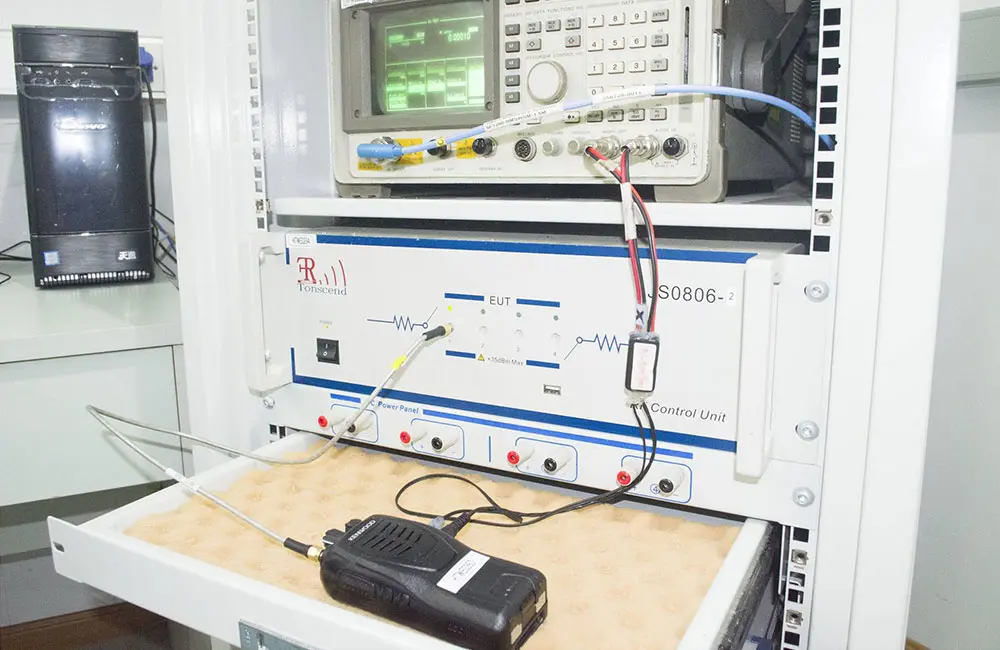
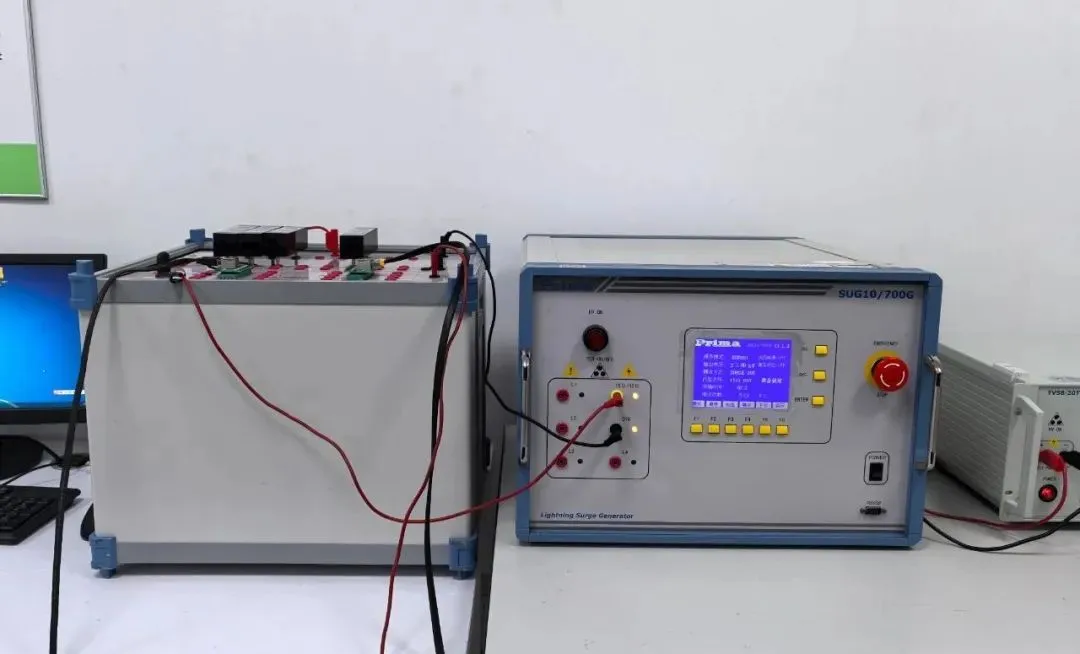
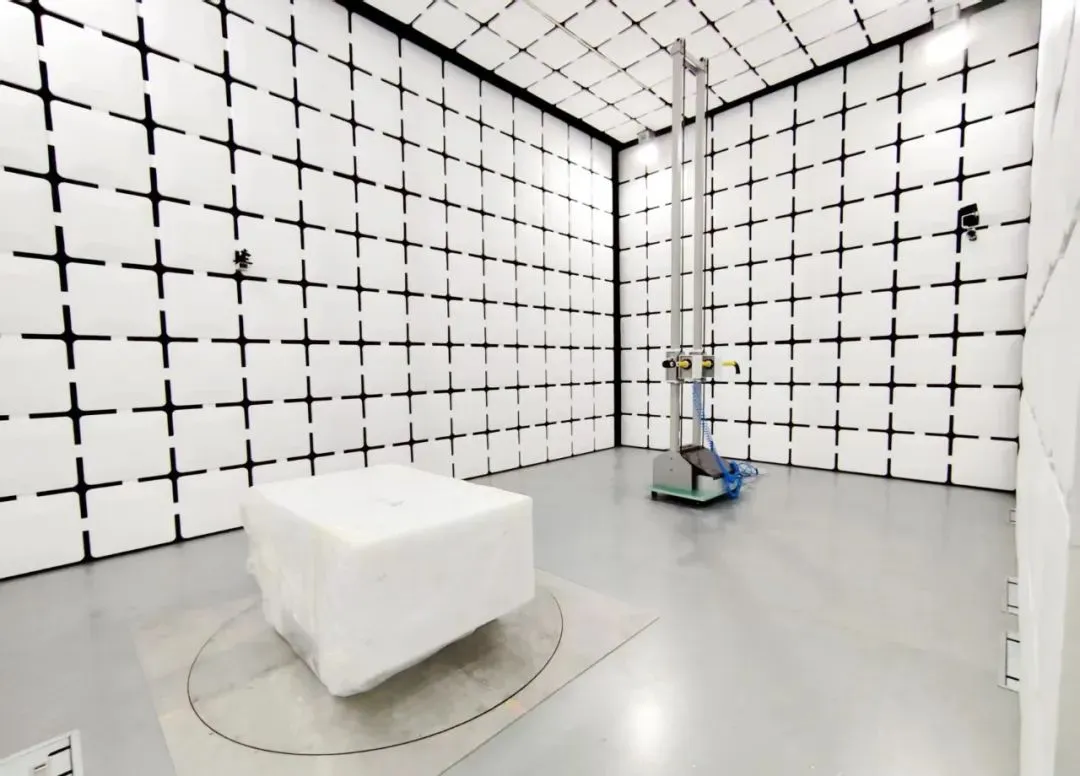
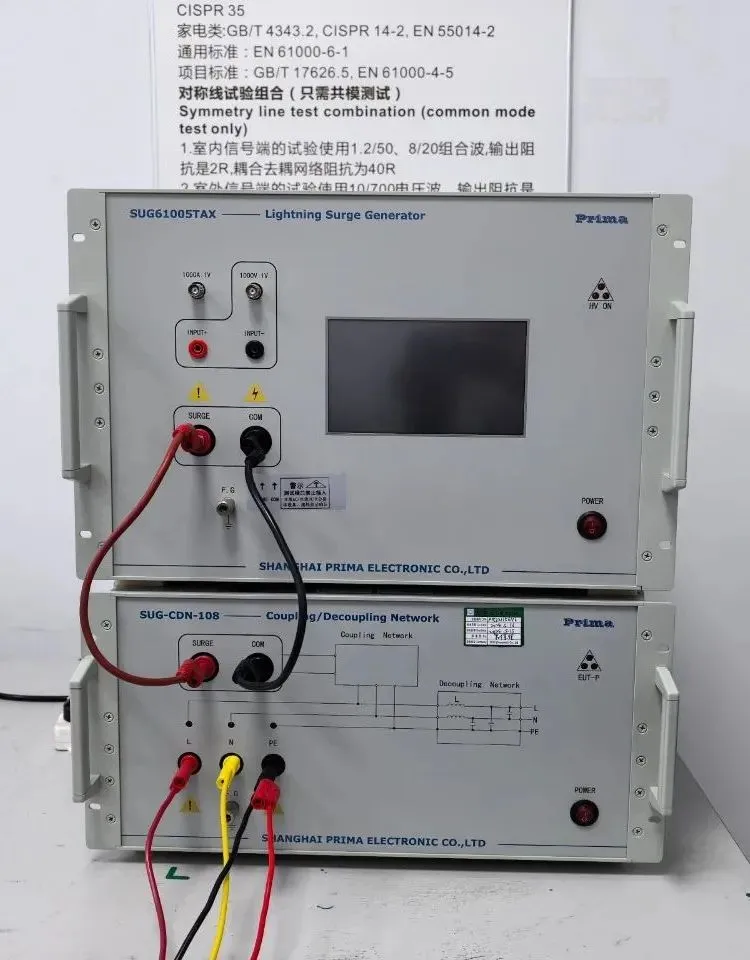
Radio (RF) and Electromagnetic Compatibility (EMC) laboratories can provide electromagnetic interference (EMI) testing, electromagnetic susceptibility (EMS) testing, and radio (RF) testing for radio products.
JJR’s EMC and RF testing capabilities are widely recognized and meet international standards, helping manufacturers, retailers, importers, and railway operators meet regulatory requirements and quickly bring products to international markets.
Our experts also offer professional technical support services for product improvement and modification to meet the stringent standards of different countries and provide on-site RF and emc testing for larger equipment, including testing for offices, large machinery, casinos, railway electromagnetic compatibility, and measurements of human exposure to environmental electromagnetic fields (EMF).
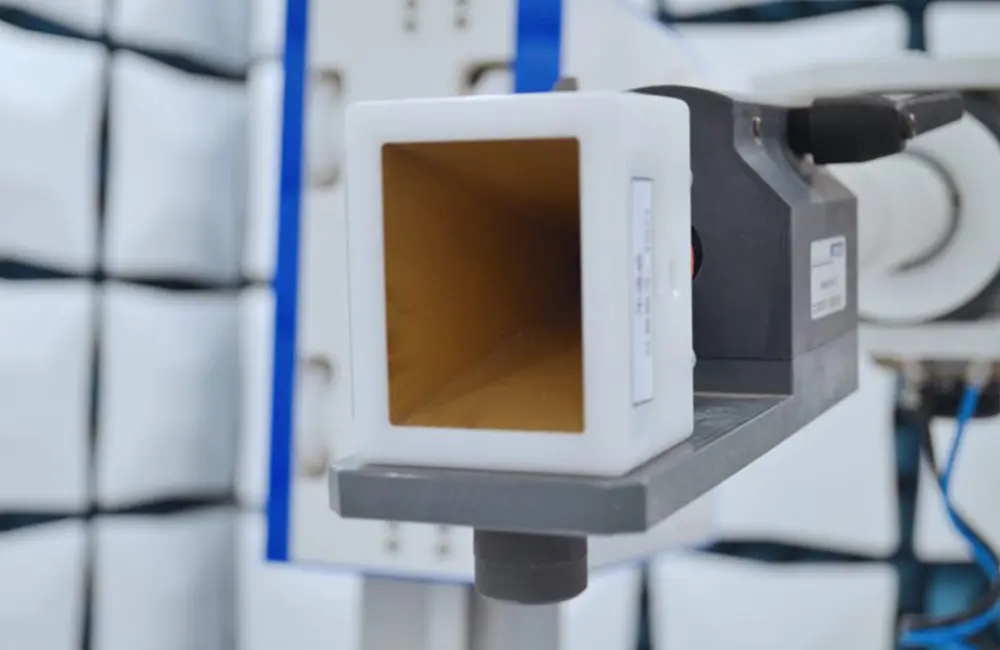
Electromagnetic Compatibility (EMC) Testing
- US fcc standards (ANSI C63.4, 47 CFR Part 15, 47 CFR Part 18)
- Canadian EMC Standards (ICES-001, ICES-003, ICES-005)
- EU EMC Standards (EN12015, EN12016, EN50121-x-x, EN50130-4, EN55011, EN55013, EN55014, EN55015, EN55020, EN55022, EN55024, en55032, EN55035, EN60601-1-2, en61000-3-x, EN61000-4-xx, EN61000-6-x, EN61204-3, EN61326-x-x, EN61547, EN62040-2, EN301489-xx)
Radio (RF) Testing
- US RF Standards (ANSI C63.10, 47 CFR Part 15)
- Australian RF Standards (AS/NZS 4268)
- Canadian RF Standards (RSS-Gen, RSS-210, RSS-220, RSS-222, RSS-247, RSS-310)
- EU RF Standards (EN 300086, EN 300113, EN 300220, EN 300296, EN 300328, EN 300330, EN 300390, EN 300422, EN 300440, EN 301166, EN 301178, EN 301357, EN 301559, EN 301893, EN 302018, EN 302065, EN 302195, EN 302208, EN 302502, EN 302536, EN 302608, EN 302609, EN 303203, EN 303204, EN 303406, EN 303354)
- Hong Kong Radio Standards (HKCA 10XX)
fcc testing
All electrical and electronic products that manufacturers plan to sell in the US market must comply with the Federal Communications Commission (FCC) requirements for radio (RF) and electromagnetic compatibility (EMC).
The approval procedures to be used are specified in the applicable FCC rules (Parts), which apply to the radio frequency functions of equipment or terminal products. Generally, unless otherwise specified in the rules, intentional radiators (transmitters) require approval using the certification procedure, while unintentional radiators (e.g., circuit diagrams) are approved using the Supplier's Declaration of Conformity (sdoc) procedure.
FCC testing and approval involve two procedures—Certification and Supplier’s Declaration of Conformity (SDoC).
JJR’s technical capabilities meet the FCC's testing requirements for various products, supporting both the Supplier's Declaration of Conformity (SDoC) and Certification.
FCC Approved Certification Scope
- Unintentional Radiators (fcc part 15 Subpart B)
- Intentional Radiators (FCC Part 15 Subpart C)
- U-NII Intentional Radiators without DFS (FCC Part 15 Subpart E)
- UWB Intentional Radiators (FCC Part 15 Subpart F)
- White Space Devices Intentional Radiators (FCC Part 15 Subpart H)
- Industrial, Scientific, and Medical Equipment (fcc part 18)
Email:hello@jjrlab.com
Write your message here and send it to us
 What is the ASTM F2264 Certification Test?
 What is ASTM F2194 Certification Testing?
 What is the ASTM F2167 Certification Test?
 What is the ASTM F2050 Certification Test?
 What is ASTM F1967 Certification Testing? How to g
 What is the ASTM F1917 Certification Test?
 How to get ASTM F1821 Certification
 What is the ASTM F1821 Testing Standard?
Leave us a message
24-hour online customer service at any time to respond, so that you worry!