



Compliance Services Europe and America
Any products exported to Europe and America, such as toys, electronic products, wireless devices, medical products, clothing, shoes, etc., are required to obtain corresponding complianCE certifications. Below is the complete collection of the latest European and American compliance certifications in 2026. JJR LAB provides services for you. If you need to apply for compliance, please contact JJR.
EU Compliance Requirements
EPR Registration:
EPR stands for Extended Producer Responsibility. It is an environmental policy requirement of the European Union. Based on the "polluter pays" principle, EPR requires producers to reduce the environmental impact of their products throughout the entire product lifecycle and take responsibility for their products placed on the market from production and design to waste management and disposal.
eu authorized representative (EU-AR):
EU Authorized Representative (EU-AR) refers to a natural or legal person established within the European Union, designated by a manufacturer through written authorization. The EU-AR acts on behalf of the manufacturer to fulfill specific obligations required by relevant EU regulations.
EU ce marking:
The CE marking is a conformity mark within the EU single market, indicating that the product meets the essential safety, health, environmental protection and performance requirements specified in relevant EU harmonized regulations. By affixing the CE marking on the product, the manufacturer declares that the product complies with all legal requirements for the CE marking and can be sold throughout the European Economic Area (EEA). Common products requiring the CE marking include, but are not limited to, batteries, toys, electronic products, personal protective equipment, mechanical products, gas appliances, pressure vessels and measuring equipment.
CE-Toy Certification:
Toy manufacturers, importers and distributors must ensure that the products for sale meet all requirements of Directive 2009/48/EC before they can be sold on the EU market. The directive stipulates toy safety and rules for the free movement of toys within the European Community. It covers the physical and mechanical properties, flammability, chemical composition, electrical safety and hygiene of toys.
CE-ROHS certification:
Manufacturers, importers and distributors must ensure that relevant products meet all requirements of Directive 2011/65/EU on the Restriction of the use of certain hazardous substances in electrical and electronic equipment (RoHS) before they can be sold on the EU market. The directive requires that electrical and electronic equipment do not contain restricted substances or contain such substances below the specified threshold limits.
CE-lvd certification:
Manufacturers, importers and distributors must ensure that relevant products meet all requirements of Directive 2014/35/EU on low voltage equipment (LVD) before they can be sold on the EU market. This directive governs the marketing of electrical equipment designed for use within specified voltage limits and sets out compliance requirements for low-voltage electrical equipment, covering product categories such as wireless network devices, Bluetooth devices, remote control devices, wireless telephones, wireless microphones, wireless surveillance cameras, etc.
CE-EMC Certification:
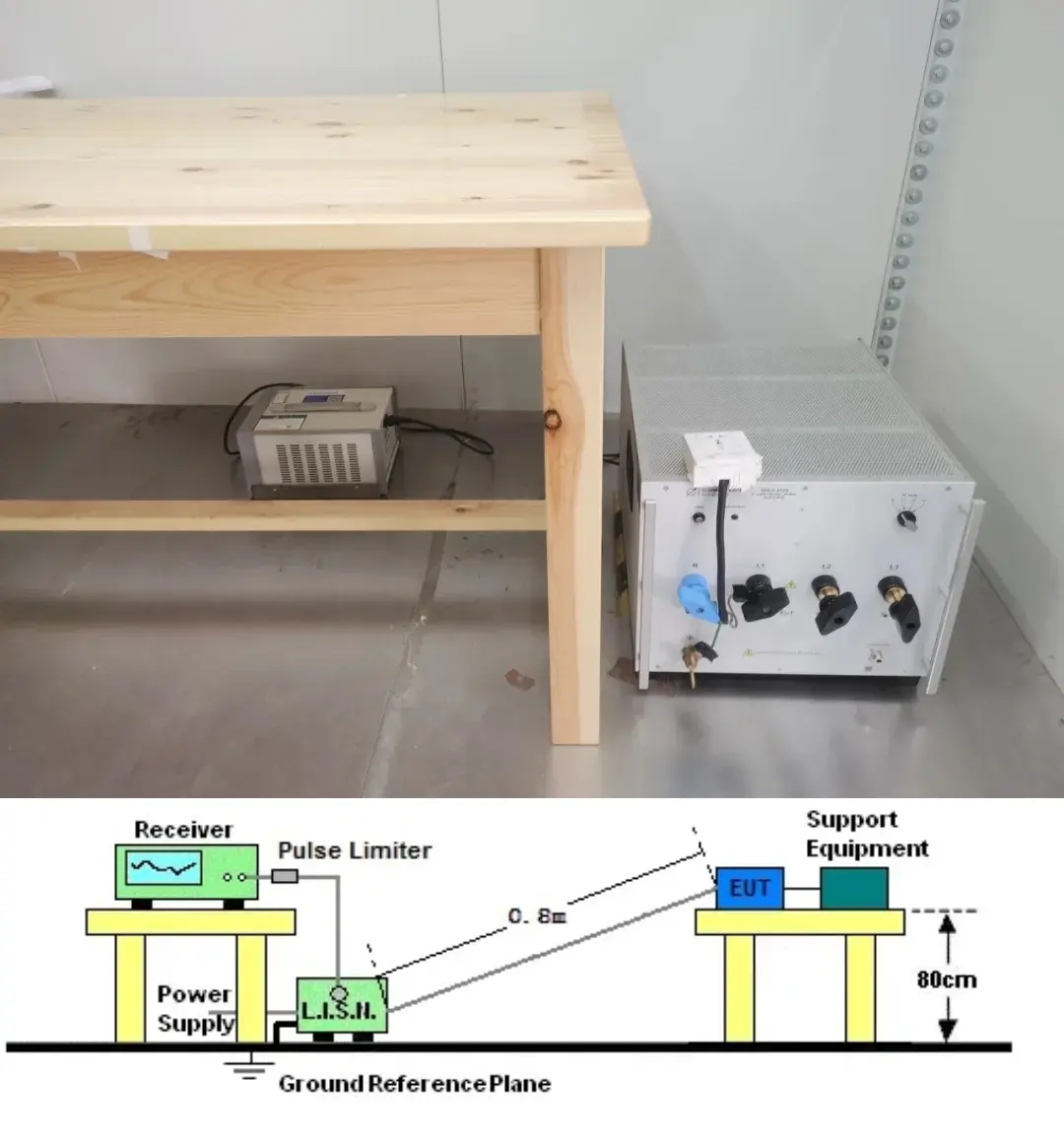
Electromagnetic Compatibility (EMC) refers to the ability of equipment to operate properly in its electromagnetic environment without causing unacceptable electromagnetic interference to other equipment in that environment. The EU EMC Directive (Directive 2014/30/EU) applies to equipment placed on the market and supplied therein, where equipment is defined as any "apparatus" or "fixed installation" with separate provisions respectively. Manufacturers, importers and distributors must ensure that relevant products meet all requirements of the EMC Directive before they can be sold on the EU market.
CE-RED Certification:
Manufacturers, importers and distributors must ensure that relevant products meet all requirements of Directive 2014/53/EU on radio equipment (RED) before they can be sold on the EU market. The directive specifies compliance requirements for radio products, covering product categories such as wireless network devices, Bluetooth devices, remote control devices, wireless telephones, wireless microphones, wireless surveillance cameras, etc.
EU Energy Label:
Regulation (EU) 2017/1369 (EU Energy Label Regulation) establishes a framework for energy labeling, requiring product labels to provide information related to energy efficiency, energy consumption and other resource consumption. This provides necessary information for users and consumers in their purchasing decisions, guiding and helping them choose high-efficiency energy-saving products and reduce energy consumption.
US Compliance Requirements
U.S. Authorized Representative (US-AR):
U.S. Authorized Representative (US-AR) refers to an individual or institution within the United States designated by a foreign (non-U.S.) manufacturer or producer to communicate and coordinate with relevant U.S. regulatory authorities on its behalf and fulfill specific legal obligations.
CPC Certification:
CPC (Children's Product Certificate) is a safety certification requirement for children's products issued by the U.S. Consumer Product Safety Commission (CPSC). Requirements for children's products cover physical and mechanical properties, flammability, chemical composition, electrical safety and hygiene. Domestic manufacturers and importers must ensure that products pass testing by third-party laboratories accredited by the CPSC and obtain a CPC certificate before they can be sold on the U.S. market.
FCC Certification:
FCC stands for Federal Communications Commission. According to the U.S. Code of Federal Regulations (CFR 47), most electronic products entering the U.S. market are required to undergo FCC certification to ensure their compliance in wireless communications. FCC certification is a mandatory requirement applicable to the vast majority of electronic devices, including radio equipment, communication equipment and other products using wireless technology.
UL/CSA/etl certifications:
UL (Underwriters Laboratories), CSA (Canadian Standards Association) and ETL (Intertek) are common quality and safety certifications. These certifications indicate that products have undergone rigorous testing, comply with relevant safety standards, and feature high safety, reliability and quality. Products with these certifications can enter the market more smoothly, reducing legal liabilities and market risks caused by safety issues.
FDA Registration Requirements:
FDA, the U.S. Food and Drug Administration, regulates drugs (including veterinary drugs), biological products, veterinary medicines, medical devices, tobacco products, food (including animal food), cosmetics and electronic products emitting radiation to protect public health. Different types of products are required to complete manufacturer registration or product registration with the FDA as applicable.
Email:hello@jjrlab.com
Write your message here and send it to us
 How to get EU UFI Registration?
 What is Italian DM 21/03/73 Certification?
 How to get SOR/2011-17 Compliance Certification
 What is DGCCRF Certification Testing
 Bow and Arrow Children's Toys CPC Certification
 POPs Testing Service Consultation
 EU PPWR New Packaging Compliance
How to Obtain an MSDS/SDS Report
EU PPWR New Packaging Compliance
How to Obtain an MSDS/SDS Report
Leave us a message
24-hour online customer service at any time to respond, so that you worry!