



Differences Between RCM Certification and SAA Certification
rcm certification and saa certification are two common types of certifications in the Australian market. Although both involve compliance for electrical products, they differ in focus, regulatory bodies, and applicable scope.
Basic Definitions
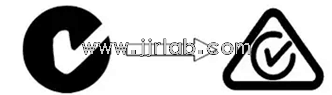
RCM Certification (Regulatory Compliance mark)
- A unified compliance mark in Australia.
- Covers electrical safety, EMC (electromagnetic compatibility), and radio frequency requirements.
- Jointly regulated by the Australian Communications and Media Authority (ACMA) and the Electrical Regulatory Authorities Council (ERAC).
saa Certification (Standards Australia Approval)
- Issued by SAA institutions (now certification bodies such as TÜV, SGS, etc.) according to Australian electrical safety standards.
- A certificate of electrical product safety compliance.
- Not a legally mandatory unified mark, but used to satisfy the electrical safety part of RCM certification.
Applicable Scope
RCM Certification:
- Applies to all electronic, electrical, and wireless products entering the Australian market.
- Must be completed before the product is released to market.
- Ensures the product complies with Australian regulations.
SAA Certification:
- Applies to certain medium-to-high risk electrical products (Level 3).
- Serves as proof of electrical safety compliance under RCM.
- Examples include household appliances, power outlets, LED lighting, etc.
Regulatory Bodies
RCM:
- Officially regulated by ERAC and ACMA.
- Registration must be done via the official ERAC platform.
- Responsibility lies with the local Australian supplier.
SAA:
- Originally established by Standards Australia.
- Now, accredited laboratories issue test reports and certificates according to standards.
Mandatory Nature
RCM:
- Mandatory for all electrical, wireless, and EMC-related products.
- Products must complete registration and display the mark to be legally sold in Australia.
SAA:
- Non-mandatory certification.
- Some high-risk products require an saa certificate or equivalent electrical safety report as proof during RCM Registration.
Summary of Key Differences
- Nature:
- RCM: Compliance mark, mandatory.
- SAA: Safety certificate, non-mandatory but commonly used.
- Regulatory Body:
- RCM: ACMA + ERAC.
- SAA: Third-party certification bodies.
- Requirement:
- RCM: Required for all products.
- SAA: Only needed as support for high-risk electrical products.
- Safety Coverage:
- RCM: Includes electrical safety certification.
- SAA: Covers only electrical safety.
- Applicable Products:
- RCM: All electronic, electrical, and wireless products.
- SAA: High-risk electrical products.
Email:hello@jjrlab.com
Write your message here and send it to us
 FCC Certification Requirements and Costs for Consu
 EMC Testing Lab IEC 60601 Medical Electrical Safet
 What are the FCC Testing Requirements for Bluetoot
 Australia RCM Certification for Radio Devices
 RED Cybersecurity EN 18031 Standard
 Compliance Testing for EMC
 What is Amazon Toy Compliance?
 What is Cytotoxicity ISO 10993-5
Leave us a message
24-hour online customer service at any time to respond, so that you worry!