



What is the RED Directive CE Marking?
The CE-RED directive is a directive issued by the European Union regarding electronic and radio equipment. The full name of the directive is the Radio Equipment Directive (commonly referred to as the RED directive). It is a specific type of EU mandatory CE certification targeted at radio product certification, published by the European Union on May 22, 2014.
The purpose of the CE-RED directive is to ensure that electronic and radio equipment sold on the European market complies with the EU's safety, health, and environmental protection requirements, and is mutually compatible with other equipment. The directive requires manufacturers to conduct technical file audits of their products to ensure compliance with the directive's requirements. This directive applies not only to EU manufacturers but also to importers, distributors, and all economic operators within the EU.
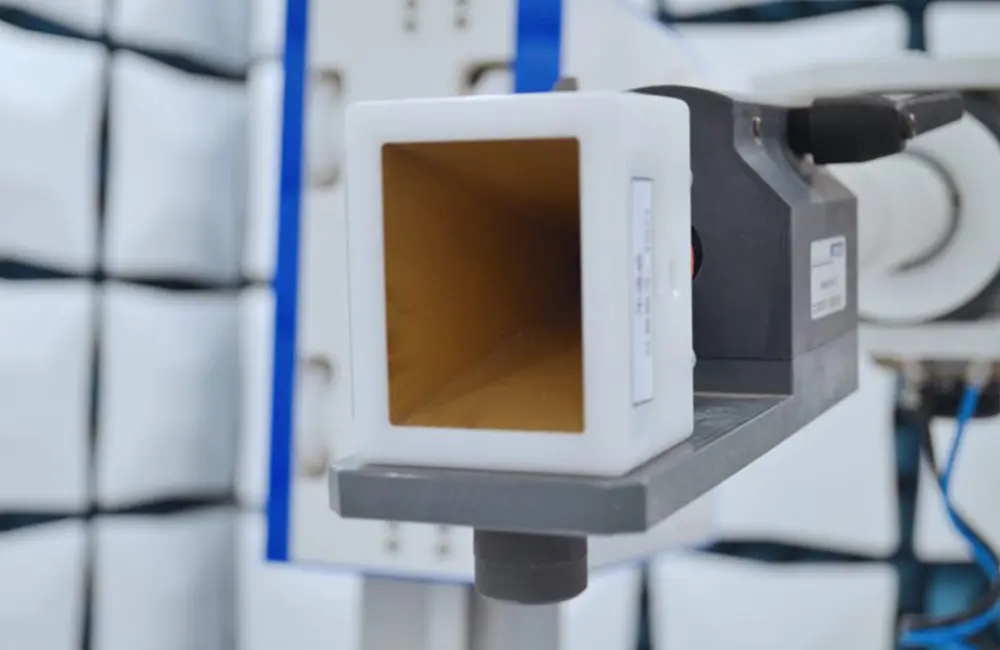
CE-RED certification is highly important for manufacturers and sellers of electronic and radio equipment in the EU market. Only products that meet the directive's requirements can be sold on the EU market; otherwise, they face the risk of being banned from sale.
Products Requiring CE-RED Directive Certification
Radio Equipment: All equipment using radio frequencies requires CE-RED directive certification, including but not limited to radio transceivers, radio transmitters, FM radios, satellite communication equipment, radio telegraphs, etc.
Telecommunications Equipment: Equipment involving telecommunications technologies such as telephones, fax machines, and the internet requires CE-RED directive certification, such as modems, LAN interface cards, wireless routers, switches, mobile communication terminal equipment, etc.
Automotive Electronic Equipment: Includes in-vehicle navigation systems, car phones, wireless remote control systems, in-vehicle entertainment equipment, etc.
Household Appliances: Such as wireless televisions, wireless audio systems, wireless remote controls, smart home devices, etc.
Medical Equipment: Includes wireless medical devices, remote monitoring equipment, medical remote controls, etc.
Industrial Automation Equipment: Such as wireless sensors, industrial wireless communication modules, industrial controllers, etc.
Other applicable product types include:
Products using radio waves in toys and entertainment equipment.
Radio equipment used in security and anti-theft systems.
Communication equipment used in power systems.
Radio equipment used in railway signaling and traffic control equipment.
The range of products requiring CE-RED certification is very broad. If your product involves radio and telecommunications functions, it requires CE-RED directive certification.
RED certification indicates that the product has met the safety requirements stipulated by the EU directive. It is a commitment and guarantee from the enterprise to the consumers. Products affixed with the ce mark also reduce the risks of selling in the European market, specifically:
The risk of being detained and investigated by customs.
The risk of being investigated by market surveillance authorities.
The risk of accusations by peers for competitive purposes.
CE-RED Directive Certification Test Items
1. Electrical Safety Testing
Safety Clearance testing: Detecting whether the distance between live parts and the casing inside the product complies with EU LVD requirements.
Dielectric Strength Testing: Testing whether the product can withstand specific high voltage to ensure it will not pose a danger to users.
Grounding Testing: Testing whether the product's grounding is sound to ensure safety during use.
Mechanical Performance Testing: Detecting whether the mechanical strength, stability, and other performances of the product comply with EU MD (Machinery Directive) requirements.
2. Electromagnetic Compatibility (EMC) Testing
(Note: The original text mistakenly repeated "Electrical Safety Testing" here; it has been corrected to reflect the actual EMC tests listed.)
Electromagnetic Radiation Testing: Testing whether the product generates electromagnetic radiation when transmitting and whether it complies with EU EMC requirements.
Immunity Testing: Testing whether the product can operate normally under external electromagnetic interference and whether it complies with EU EMC requirements.
Harmonics and Current Testing: Testing whether the product generates harmonics and current infiltration during use and whether it complies with EU EMC requirements.
3. radio frequency testing
Frequency Range Testing: Testing whether the product complies with the frequency range specified in the EU directive.
Transmission Power Testing: Testing whether the product's transmission power complies with the requirements specified in the EU directive.
Frequency Stability Testing: Testing whether the product's frequency is stable and complies with the requirements in the EU directive.
4. Product Reliability Testing
Long-Term Operation Testing: Testing whether the product is stable and reliable during long-term use.
High-Temperature Testing: Testing whether the product can operate normally in high-temperature environments.
Low-Temperature Testing: Testing whether the product can operate normally in low-temperature environments.
High-Humidity Testing: Testing whether the product can operate normally in high-humidity environments.
Low-Humidity Testing: Testing whether the product can operate normally in low-humidity environments.
5. Product Electromagnetic Safety Testing
Electromagnetic Field Strength Testing: Testing whether the product generates a risk of electromagnetic interference to the human body and other equipment.
electrostatic discharge testing: Testing whether the product will generate electrostatic discharge and whether it will pose a danger to users or other equipment.
6. Product Material Testing
Restriction of Hazardous Substances Testing: Detecting whether the materials in the product comply with the requirements for restricting hazardous substances in the EU RoHS directive.
Packaging Material Testing: Detecting whether the packaging materials used for the product comply with the requirements of relevant EU directives.
CE-RED Certification Test Standards
ETSI EN 301489-1: General requirements for the EMC part of radio products.
ETSI EN 301489-3: Specific requirements for the EMC part of short-range radio products. (e.g., 433.92MHz wireless doorbells).
ETSI EN 301489-7: Specific requirements for the EMC part of radio products with GSM functions. (e.g., service robots with GSM).
ETSI EN 301489-17: General requirements for the EMC part of broadband modulation products. (e.g., service robots with Bluetooth and WIFI functions).
ETSI EN 300220-1/-2: Testing standards for short-range radio products with a frequency in the range of 25~1000MHz and power less than 500mW. (e.g., 433.92MHz wireless doorbells).
ETSI EN 300330-1/-2: Testing standards for short-range radio products with a frequency in the range of 9KHz~25MHz. (e.g., 13.56MHz RFID products).
ETSI EN 300440-1/-2: Testing standards for broadband modulation products other than Bluetooth and WIFI. (e.g., 2.4G game remote controls using FSK modulation). Note: For products using frequency-hopping spread spectrum (FHSS) technology, the design must have at least 20 channels.
ETSI EN 30328: Testing standards for broadband modulation products operating in the 2.4G ISM frequency band. (e.g., service robots with Bluetooth and WIFI functions).
ETSI EN 301511: Testing standards for electronic products with GSM communication functions. (e.g., GSM mobile phones, tablets with GSM functions). The SAR standard adopts EN 62209.
ETSI EN 301908-1/-2: Testing standards for electronic products with WCDMA functions. (e.g., WCDMA 3G mobile phones, tablets with WCDMA 3G functions).
en 62479: Health assessment requirements for low-power, portable radio products; RF output power (EIRP) is required to be less than 20mW.
en 62311: Health assessment requirements for radio products; the distance between the product and the human body during use must be at least 20cm. (e.g., wireless cameras with WIFI functions).
Documents Required for CE-RED Directive Certification
Product Technical File: This file should contain detailed information about product design and manufacturing, as well as technical specifications and test reports complying with the relevant requirements of the CE-RED directive.
User Manual and Labels: The manufacturer should provide the user manual and labels for the product to ensure that users use the product correctly and understand safety warnings.
Other Necessary Documents: The manufacturer also needs to provide other necessary documents regarding the product, such as contracts, product specifications, application forms, etc.
Specific Document List:
User manual
Circuit schematic diagram
Circuit Block Diagram (also known as a module function diagram)
PCB Layout
PCB Placement (component placement diagram)
Operational description (explanation of the block diagram)
BOM List (Bill of Materials)
Label
Antenna specifications (or antenna gain chart)
Charger LVD report
Fixed frequency software (also known as a fixed frequency program, which enables the transmission module to transmit continuously at a specific frequency point; generally mandatory for Bluetooth and WIFI products).
CE-RED Directive Certification Process
Apply for Conformity Assessment: The manufacturer should choose an accredited certification body (Notified Body) to apply for conformity assessment and submit technical files and other necessary documents regarding the product.
Product Assessment: The certification body will evaluate and test the product and issue an assessment report and certificate to the manufacturer.
Complete ce marking: The manufacturer affixes the CE mark on the product complying with the CE-RED directive requirements and ensures the product complies with relevant regulations and standards of the European market.
Establish Technical Files: The manufacturer needs to establish product technical files that comply with the CE-RED directive requirements and retain them for at least 10 years.
Market Surveillance: The manufacturer should regularly monitor the performance and compliance of its products on the market and take timely measures to resolve issues.
CE-RED Certification Cycle
Preparation Phase: The manufacturer prepares product technical files and selects a certification body. The time for this phase varies by manufacturer.
Assessment Phase: The certification body evaluates and tests the product and issues an assessment report and certificate to the manufacturer. This phase typically takes a few weeks.
Marking Phase: The manufacturer affixes the CE mark on the product complying with the CE-RED directive requirements and ensures the product complies with relevant regulations and standards of the European market.
Follow-up Phase: The manufacturer needs to establish product technical files complying with the CE-RED directive requirements, regularly monitor the performance and compliance of its products on the market, and take timely measures to resolve issues.
Email:hello@jjrlab.com
Write your message here and send it to us
 EMC Testing Lab IEC 60601 Medical Electrical Safet
 What are the FCC Testing Requirements for Bluetoot
 Australia RCM Certification for Radio Devices
 RED Cybersecurity EN 18031 Standard
 Compliance Testing for EMC
 What is Amazon Toy Compliance?
 What is Cytotoxicity ISO 10993-5
 What is Hemocompatibility Testing ISO 10993?
Leave us a message
24-hour online customer service at any time to respond, so that you worry!