



E-mark Certification Testing Service Laboratory
What is E-mark Certification?
E-mark certification, also known as E/e-mark certification, is a mandatory certification imposed by the European Common Market (including EU member states and some non-EU countries) on motor vehicles, their safety parts and components, noise emissions, exhaust gases, and other related items.
This certification aims to ensure driving safety and environmental protection, requiring relevant products to comply with the provisions of EU Directives (EEC Directives) and United Nations Economic Commission for Europe (UNECE) Regulations (ECE Regulation).
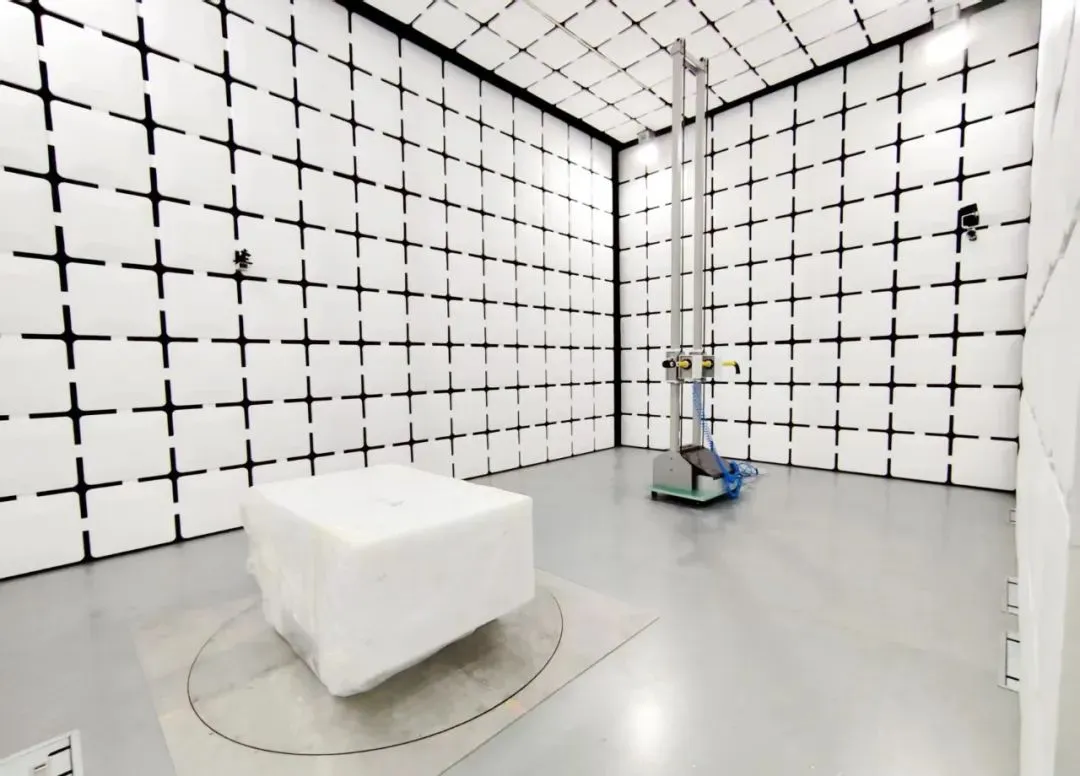
Upon passing the certification, products will be issued a conformity certificate and are eligible for sale in the European market.
Scope of Application of E-mark Certification
E-mark certification applies to various types of motor vehicles and their related products, including but not limited to:
(1) Complete Vehicles
Motor-driven means of transport with two, three, or more wheels, such as passenger cars, trucks, motorcycles, etc.
(2) Automotive Parts and Components
Vehicle lamps, tires, safety glass, braking systems, steering systems, etc.
(3) Electronic and Electrical Products
Electronic products used on vehicles, such as vehicle-mounted electronic devices, radio equipment, etc.
Certification Standards for E-mark Certification
E-mark certification is mainly tested and certified in accordance with EU Directives (EC Directive) and United Nations Economic Commission for Europe (UNECE) Regulations (ECE Regulation).
These standards cover multiple aspects including product technical specifications, safety performance, and environmental protection requirements, ensuring that products meet the stringent requirements of the European market.
Specifically, E-mark certification has two main forms:
(1) E-mark Certification
Based on United Nations Economic Commission for Europe (UNECE) Regulations (ECE Regulation) as the testing standard, it is mainly applicable to vehicle parts and components.
(2) e-mark Certification
Based on EU Directives (EC Directive) as the testing standard, it is mainly applicable to complete vehicles.
The two are collectively referred to as E/e-mark certification, which jointly constitutes the certification system for motor vehicles and their related products in the European market.
Certification Process
① Manufacturers prepare technical documents and product samples.
② Conduct product testing.
③ Factory inspection is required for the first application.
④ (Manufacturers that have already obtained quality system certificates such as ISO9000 issued by certification bodies of EU member states are not required to undergo factory inspection in principle.)
⑤ Submit test reports and manufacturers' technical documents for review.
⑥ The transportation department of the relevant European country issues the certification certificate.
(The certification body may conduct regular or irregular follow-up factory inspections on the manufacturing enterprises of certified products.)
Email:hello@jjrlab.com
Write your message here and send it to us
 Australia RCM Certification for Radio Devices
 RED Cybersecurity EN 18031 Standard
 Compliance Testing for EMC
 What is Amazon Toy Compliance?
 What is Cytotoxicity ISO 10993-5
 What is Hemocompatibility Testing ISO 10993?
 What is ISO 10993-5 Tests for In Vitro Cytotoxicit
Electronic Product IEC 62368-1 Safety Testing
What is ISO 10993-5 Tests for In Vitro Cytotoxicit
Electronic Product IEC 62368-1 Safety Testing
Leave us a message
24-hour online customer service at any time to respond, so that you worry!