



EU CE Certification: CE-EMC and CE-LVD Testing Standards
CE certification is the European Union's product safety certification and a prerequisite for electronic products and household appliances to enter the EU market. Before being placed on the market, electronic products and household appliances must bear the ce mark to indicate compliance with the EU CE certification and basic technical harmonization requirements. This is a mandatory requirement of EU law for relevant products.
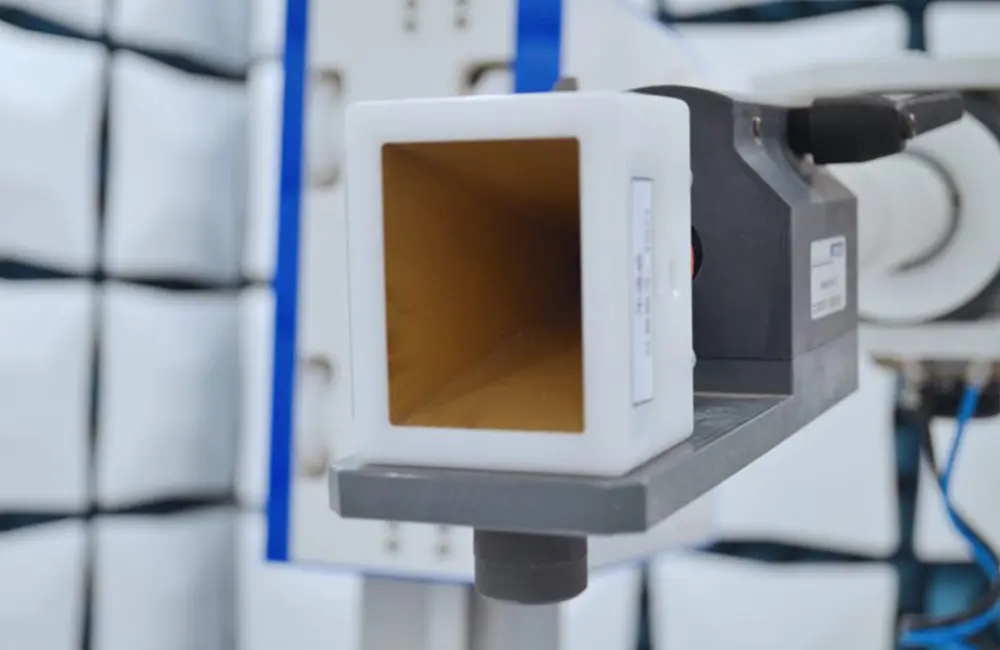
We provide CE certification services, including:
- ce-emc: Electromagnetic Compatibility Directive 2014/30/EU standard testing and certification.
- ce-lvd: low voltage directive 2014/35/EU standard testing and certification.
- CE-RED: Radio Equipment Directive safety standard testing and certification.
Scope of ce certified Products
- Vacuum cleaners, irons, towel racks, dryers, steam garment steamers, clippers, razors, toasters, ovens, floor washers, robot vacuums, insulation boards, air fryers, soybean milk machines, juicers, multi-functional food processors, electric kettles, coffee machines, rice cookers, microwave ovens, hairdryers, straighteners, sewing machines, chargers, heaters, humidifiers, range hoods, massagers, foot baths, electric toothbrushes, water flossers, fans, and other small household appliances.
CE Certification Testing Standards
1. en60335: Safety of household and similar electrical appliances.
2. EN55014-2: Electromagnetic compatibility requirements for household appliances, electric tools, and similar apparatus, Part 2: Immunity.
3. en 61000-3-2: Electromagnetic compatibility limits for harmonic current emissions (equipment input current ≤ 16A per phase).
4. EN 61000-3-3: Electromagnetic compatibility limits for voltage changes, voltage fluctuations, and flicker in public low-voltage supply systems caused by equipment with rated current ≤ 16A per phase, etc.
CE Certification Testing Items
CE-EMC (Electromagnetic Compatibility)
- Conducted disturbances (power and terminal).
- Radiated disturbances.
- Electrostatic discharge immunity.
- Electromagnetic field immunity.
- Conducted immunity.
CE-LVD (Low Voltage Directive)
- Harmonic current.
- Voltage fluctuations and flicker.
- Current intensity.
- Instantaneous voltage, etc.
CE-EMC Certification: Electromagnetic Compatibility Standards
CE-EMC is a crucial standard in CE certification, ensuring that electrical and electronic devices can operate normally in a shared electromagnetic environment without causing or being affected by unacceptable interference. For electronic products and small appliances, compliance with Directive 2014/30/EU is required, which includes:
- Electromagnetic Radiation: Ensuring the electromagnetic radiation generated during normal operation does not cause unacceptable interference with other devices.
- Electromagnetic Immunity: Ensuring device performance under external electromagnetic interference.
- Electrostatic Discharge Immunity: Testing device performance under static discharge conditions.
CE-lvd certification: Low Voltage Directive Standards
CE-LVD is another essential standard in CE certification to ensure the safe use of electrical devices and personal safety. For electronic products and small appliances, compliance with Directive 2014/35/EU is required, which includes:
- Abnormal Test: Evaluating device performance under abnormal conditions to ensure user and device safety.
- Grounding Test: Verifying device performance under grounding conditions to prevent hazardous current leakage.
- Leakage Current Test: Ensuring device leakage current does not pose harm to users or the device itself.
Email:hello@jjrlab.com
Write your message here and send it to us
 California 65 Testing Service Consultation
 REACH Chemical Testing Services
 Electronic Vaporizers EU TPD / US PMTA / UK MHRA
 ISO 10993 Biocompatibility Standards
 Medical TPV ISO 10993 Biocompatibility Testing
 FDA Requirements for Biocompatibility under ISO 10
 Amazon Spain WEEE Compliance Deadline: September 3
 What is the ASTM F2264 Certification Test?
Leave us a message
24-hour online customer service at any time to respond, so that you worry!