



EU Electronic Products EN IEC 62680-1-3:2021 Standard Testing Laboratory
EU Universal Charger Revised Directive
Directive Issuance
On December 7, 2022, the EU officially released the revised directive Directive (EU) 2022/2380 regarding universal chargers, supplementing the red directive Directive 2014/53/EU with the implementation measures for universal charging ports in Article 3.3(a).

Implementation Date
The new directive will be mandatory in all EU member states starting from December 28, 2024. Requirements for laptop devices will be enforced from December 28, 2026. New devices entering the EU market after these dates must comply with the directive.
Covered Devices
The revised directive covers the following 13 types of wireless devices:
1. Handheld mobile phones
2. Tablets
3. Digital cameras
4. Headphones
5. Headsets with microphones
6. Handheld videogame consoles
7. Portable speakers
8. E-readers
9. Keyboards
10. Mice
11. Portable navigation systems
12. Earbuds
13. Laptops
Under the new directive, these 13 types of devices must be equipped with a USB Type-C charging port that complies with the EN IEC 62680-1-3:2021 standard and can be charged using cables that meet the same standard. Devices supporting fast charging must support the USB PD protocol according to EN IEC 62680-1-2:2021. Consumers can choose to purchase devices without bundled chargers, and manufacturers or sellers must indicate on the packaging whether the product includes a charger, specifying the required power range and supported fast charging protocols.
Key Points of the New Directive
1. Adjusted the original Article 3.3 (a) and added Article 3.4, detailing the specific implementation requirements for universal charging ports.
2. Updated the responsibilities and obligations of manufacturers, importers, and distributors.
3. Any of the 13 specified product categories that can be charged via cable must be equipped with a USB Type-C charging port compliant with the EN IEC 62680-1-3:2021 standard and chargeable with cables meeting the same standard. Devices supporting fast charging must comply with the EN IEC 62680-1-2:2021 standardized USB PD (Power Delivery) protocol.
4. Wireless communication devices sold in the EU market may choose whether to include a charger. Packaging or labels must indicate the type and configuration of the charger in a readable and visible manner.
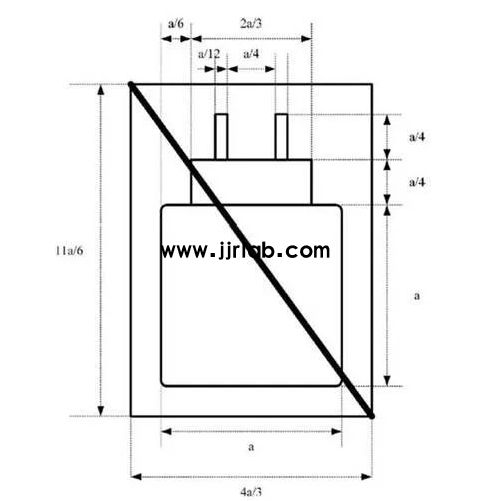
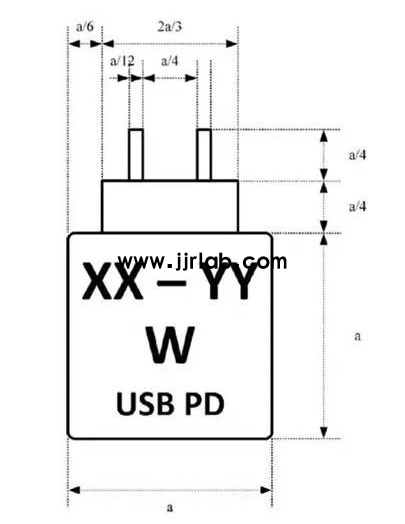
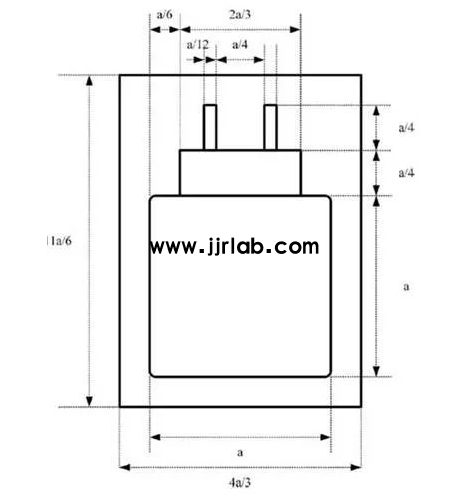
Impact on DNS Products
1. No immediate impact on separately sold chargers and cables.
2. For bundled shipments, if the bundled terminal device is one of the 13 product categories regulated by Directive (EU) 2022/2380, the terminal device, cable, and charger must comply with the directive.
3. Specific reminder: TWS earphones + USB Cable:
- The charging case port must comply with IEC 62680-1-3, but the earbud charging port does not.
- The USB-C female port on the charging case should accept 16-pin or 24-pin, while the USB-C male end on the cable can accept 9, 12, 14, 16, 22, or 24-pin and must meet 62680 requirements.
- The included USB Cable can be USB-C to USB-A, not necessarily USB-C to USB-C.
4. Wireless portable speakers (e.g., portable Bluetooth speakers), wireless mice, and wireless keyboards are also regulated by Directive (EU) 2022/2308.
JJRLAB provides comprehensive services in EMC, RF, SAR, Safety, Energy Efficiency, and Environmental Reliability for products such as IT (computers, monitors), AV (TVs, wireless earphones, wireless speakers), communications (mobile phones, routers), small appliances, power supplies, industrial power supplies, light electric vehicles, batteries, energy storage, toys, and medical devices. Services include international CB, EU CE, UK ukca, US fcc/UL/ETL/CSA/cTUVus, Canada ISED, japan pse/VCCI, South Korea KC, and India BIS/WPC/TEC.
Email:hello@jjrlab.com
Write your message here and send it to us
 CE Kennzeichnung RoHS
 CE Zertifikat Prüfstelle
 CE-Zertifikat für LED Strahler
 CE Zertifikat Fidget Spinner
 Was ist ein CE Zertifikat
 CE-Kennzeichnungs dienstleister
 Was ist die REACH-Verordnung?
 Amazon-Produkt LFGB und REACH
Leave us a message
24-hour online customer service at any time to respond, so that you worry!