



How to Get CE Certification in the USA?
CE marking (Conformité Européenne, meaning European Conformity) is a mandatory compliance mark for products entering the European Union (EU) and European Economic Area (EEA). It certifies that products meet EU regulatory requirements.
CE certification is not required for products sold domestically in the United States. However, U.S. companies must obtain CE certification in the following scenarios: exporting to the EU, selling to Europe via Amazon, distributing through European partners, or manufacturing components for EU products.
Introduction to CE Certification
1.1 Scope of Application
• Covers 27 EU member states, the European Free Trade Association (Iceland, Norway, Liechtenstein); also recognized by Turkey and other countries.
• Applies to approximately 80% of industrial and consumer products in the European market.
1.2 Core Regulations & Directives
• low voltage directive (LVD 2014/35/EU): Electrical safety standards
• Electromagnetic Compatibility Directive (EMC 2014/30/EU): Electromagnetic interference and immunity requirements
• Machinery Directive (MD 2006/42/EC): Machinery safety and risk assessment
• Restriction of Hazardous Substances Directive (RoHS 2015/863): Control of toxic substances in electrical and electronic products
• Radio Equipment Directive (RED): Compliance requirements for radiofrequency products
• Special directives: Toy Safety Directive, Construction Products Regulation (CPR), etc.
1.3 Key Misconceptions Clarified
• CE certification is not a quality certification; it only confirms compliance with EU minimum safety and environmental standards.
• The CE mark is not issued by authorities; it is affixed by the manufacturer/authorized representative via self-declaration or after assessment by a Notified Body.
• CE certification does not apply to the U.S. market. Electronic products sold in the U.S. require separate FCC certification.
Products Requiring CE Certification
• Electrical & Electronic Products: Power supplies, chargers, routers, earphones, laser pointers, etc.
• Lighting Products: Chandeliers, street lamps, energy-saving tubes, desk lamps, aquarium lights, etc.
• Home Appliances: Fans, electric kettles, vacuum cleaners, speakers, televisions, etc.
• Machinery & Equipment: Welding machines, lawnmowers, excavators, food machinery, woodworking machinery, etc.
• Wireless Products: Bluetooth devices, wireless keyboards, remote controls, mobile phones, etc.
• Specialized Products: Medical devices, toys, construction materials, Personal Protective Equipment (PPE), pressure vessels, etc.
Common CE Certification Testing Standards
• Electrical & Electronic (LVD/EMC):
EN 60950-1 (IT equipment), EN 60335-1 (Household appliances)
• Lighting Products:
EN 60598-1 (Luminaire safety), EN 55015 (Electromagnetic emissions)
• Wireless Products (RED):
EN 300 328 (Bluetooth/WiFi), EN 301 489 (Radiofrequency performance)
• Machinery Products:
EN ISO 12100 (Machinery safety), EN 60204 (Electrical safety of machinery)
• Toy Products:
EN 71 series (Toy safety, covering mechanical, chemical, electrical requirements)
EN 50581 (Hazardous substance testing)
Full ce certification process for U.S. Companies
4.1 Determine the Compliance Route
• Low-risk products (general electronics, home appliances, lighting):
Self-declaration mode – testing, documentation, and declaration completed independently by the company.
• High-risk products (medical devices, pressure vessels, elevators):
Must be tested and assessed by an EU Notified Body (NB) to obtain an NB certificate.
4.2 Standard 6-Step Certification Process
1. Identify applicable directives and harmonized standards, clarify key testing items.
2. Complete risk assessment and laboratory testing; testing can be entrusted to JJR Lab.
3. Compile technical files (product specifications, test reports, etc.), which must be kept in the EU for at least 10 years.
4. Sign the EU Declaration of Conformity (DoC), translated into an official EU member state language.
5. Affix the CE mark clearly, durably, and in the correct proportion (minimum height ≥ 5mm).
6. Appoint an EU Responsible Person (JJR provides EU Responsible Person service) to liaise with regulators and maintain documentation.
4.3 Lead Time & Required Documents
• Lead time: 10–20 working days for low-risk products; 1–3 months for high-risk products.
• Required documents: Product specifications, circuit diagrams, bill of materials & component certificates, test reports, user manuals, EU Responsible Person details.
Detailed ce certification costs
CE certification fees have no fixed standard. JJR Lab quotes start at US$1,288. Key influencing factors:
• Product risk level: High-risk products require Notified Body assessment, significantly increasing costs.
• Testing items: More tests result in higher costs.
• Certification mode: Self-completion reduces costs; hiring a consulting firm incurs service fees.
• Resource reuse: Components with existing ce certificates may be exempt from repeated testing.
• Design modifications: Non-compliant products requiring rework generate extra expenses.
CE Certification vs. U.S. Market Compliance (FCC Certification)
6.1 Core Differences
Item | CE Certification | FCC Certification |
Applicable Region | EU / EEA | United States |
Focus | Safety, health, environmental protection, EMC | Electromagnetic compatibility, radiofrequency interference |
Certification Mode | Self-declaration / Notified Body assessment | Self-declaration (SDoC) / fcc id certification |
Mandatory Status | Mandatory in the EU | Mandatory for U.S. electronics |
6.2 Dual EU & U.S. Certification Recommendations
• For products already CE-certified, fcc testing can partially reuse CE-EMC data, reducing cost and lead time.
• Exports to the U.S. require separate FCC certification; CE certification cannot be substituted, otherwise customs clearance and sales will be denied.
Compliance Key Points & Common Risks
• Liability subject: Manufacturers, authorized representatives, and importers bear full responsibility for CE compliance. False certification may lead to seizure, fines, or product recall.
• Marking rules: Counterfeit CE marks are prohibited; the mark must be clear and permanent.
• Document retention: Technical files and Declarations of Conformity must be stored in the EU for regulatory inspections.
• EU representative: Non-EU companies must appoint a legal authorized representative, otherwise sales are illegal.
CE certification is an essential threshold for U.S. companies to access the EU market. The core steps are selecting the proper compliance route based on product risk, completing testing and technical documentation, signing the Declaration of Conformity, affixing the standard mark, and appointing an EU representative.
Low-risk products can efficiently complete self-declaration at low cost, while high-risk products must cooperate with EU Notified Bodies.
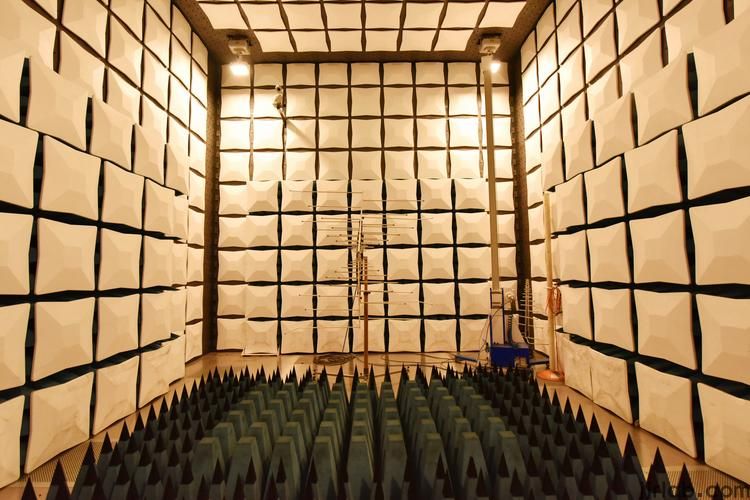
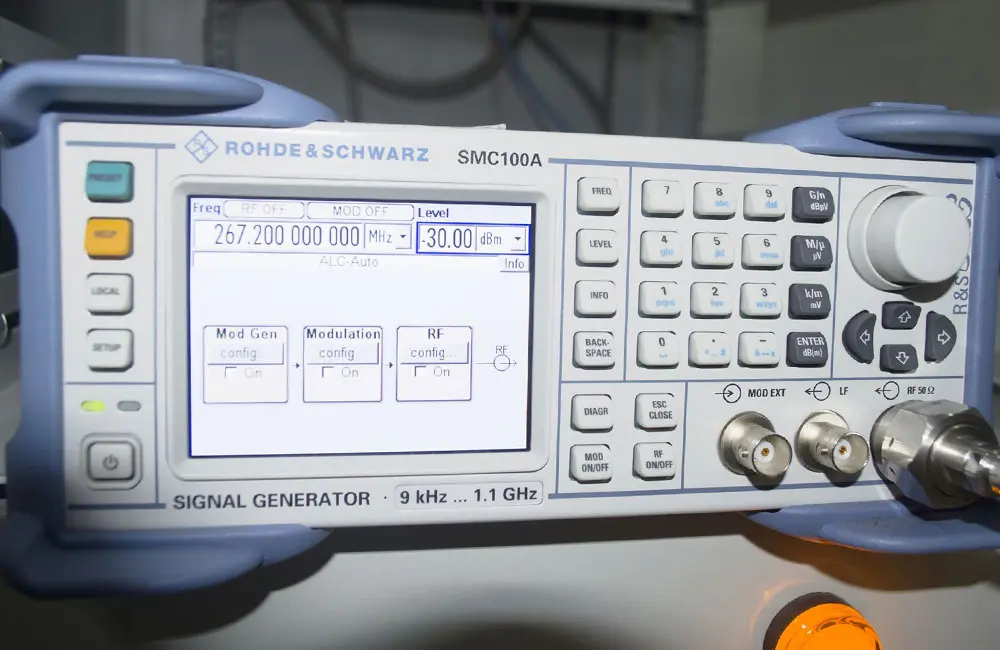
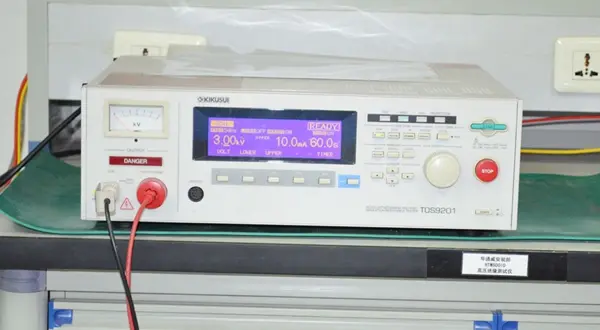
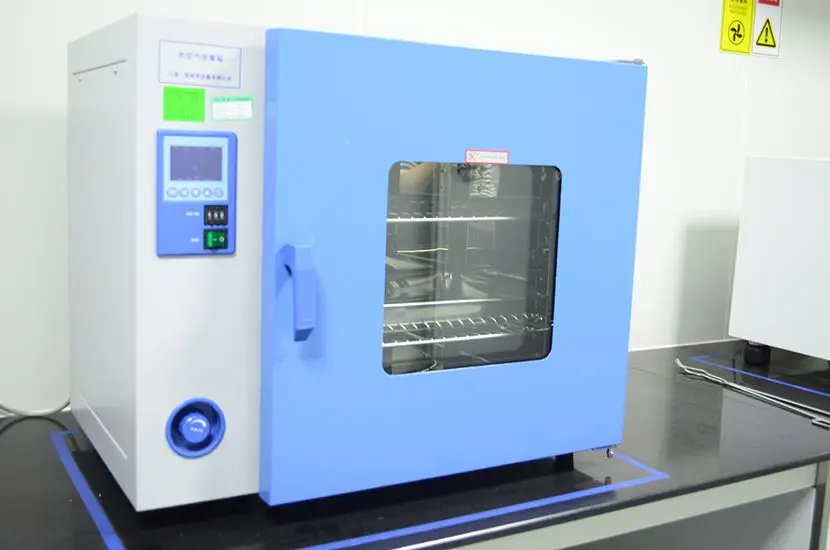
JJR Lab provides CE testing services. Our laboratory is ISO/IEC 17025 accredited and holds CMA and CNAS qualifications.
Email:hello@jjrlab.com
Write your message here and send it to us
 How to get an EN 301 893 test report?
 What is EN 301 893 Certification Compliance
 What is the CSA 62368-1 Standard?
 Canadian Pacifier Compliance SOR/2016-184
 US Agent for FCC & EC REP for CE: Compliance R
 What is Recycling of WEEE
 What is PPWR Packaging Compliance
What is Extended Producer Responsibility
What is PPWR Packaging Compliance
What is Extended Producer Responsibility
Leave us a message
24-hour online customer service at any time to respond, so that you worry!