



IP69 Certified Protection
In the era of rapid integration among smart hardware, new energy, industrial automation and consumer electronics, "waterproof and dustproof" is no longer just a marketing slogan, but a rigid threshold related to product lifespan, safety compliance and user experience. The core standard measuring this capability is the Ingress Protection Rating (IP Rating).
But here comes the question: with so many IP ratings, which ones are suitable for your products?
This article will start from the IP coding rules, analyze the typical application scenarios of IPX1 to IP69K level by level, and provide accurate selection suggestions combined with industry access requirements.
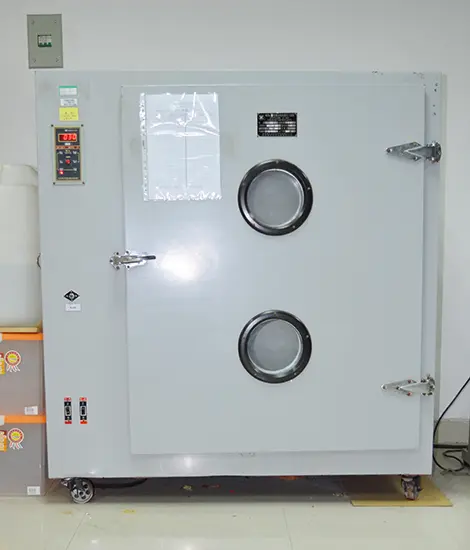
First Understand IP Coding
The IP rating is defined by iec 60529 (equivalent to Chinese standard GB/T 4208), in the format of IPXX:
① First digit (0–6): Protection against solid foreign objects (including dustproof)
② Second digit (0–9K): Waterproof rating
③ Examples:
④ IP54: Dust protected (incomplete dust protection but no impact on operation) + Splash-proof
⑤ IP68: Dust-tight + Continuous immersion (depth and time specified by manufacturer)
⑥ IP69K: Dust-tight + High-temperature and high-pressure jet washing (commonly used in food and automotive industries)
Note: If a certain item is not tested, "X" can be used instead. For example, IPX7 means only waterproof test is conducted, and dustproof rating is not declared.
Applicable Products for Different IP Ratings
Consumer Electronics & Wearable Devices
IP Rating | Typical Products | Application Scenario Description |
IPX4 | TWS earphones, smart bracelets | Prevents daily sweat and rain splashing, meets light exercise needs |
IP67 | Flagship smartphones, smart watches | Short-time water immersion (1m/30 mins), dustproof ensures long-term reliability |
IP68 | High-end smartphones, diving cameras | Supports deeper/longer immersion (e.g. 1.5m/30 mins), often used for marketing differentiation |
IP69K | Very few military/special wearable devices | Withstands high-pressure washing, extremely rare |
Suggestion: Ordinary users do not need to pursue IP69K; IP67 covers 99% of daily scenarios. However, if positioning as "swim-proof", the immersion depth and duration must be clearly marked.
Outdoor & Smart City Devices
IP Rating | Typical Products | Compliance & Design Key Points |
IP65 | Outdoor LED displays, charging pile enclosures | Jet-proof (e.g. heavy rain), but not immersible |
IP66 | Surveillance cameras, street lamp controllers | Resists heavy rain + wind-driven water jets, common requirement for smart city projects |
IP67 | Geomagnetic sensors, manhole cover monitoring terminals | Short-term submergence by rainwater (e.g. storm waterlogging) |
IP68 | Underwater sensors, river monitoring devices | Long-term underwater deployment, requires verification of sealing material lifespan |
Industrial Automation & Instruments
IP Rating | Typical Products | Industry Standard Requirements |
IP65 | HMI, frequency converters | Prevents coolant splashing in factory environments |
IP66/IP67 | Handheld scanners, AGV controllers | Prevents forklift washing and ground splashing |
IP69K | Food/pharmaceutical machinery, slaughtering equipment | Must withstand 80℃, 80bar high-temperature and high-pressure washing (EN 60529 + ISO 20653) |
Key Point: IP69K ≠ a higher level than IP68. It is an independent test for "high-pressure washing" scenarios, and the two are not interchangeable!
New Energy & Electric Vehicles
IP Rating | Typical Products | Regulatory & Safety Requirements |
IP67 | Power battery packs, on-board OBC | Mandatory requirement of GB 38031: no short circuit or fire after 30 mins immersion |
IP6K9K | Body sensors (millimeter-wave radar, cameras) | Must pass high-pressure car wash simulation (ISO 20653) |
IP68 | Charging guns, charging sockets | Prevents rainwater immersion + sealing retention after plugging wear |
⚡ Special Note: Battery packs claiming IP67 must pass immersion test under live conditions; static test is invalid!
Medical & Special Equipment
IP Rating | Typical Products | Compliance Logic |
IPX6/IPX7 | Household blood pressure monitors, blood glucose meters | Prevents splashing from cleaning wipes, non-sterile environment |
IP68 | Surgical robot joints, endoscope handles | Repeatable high-temperature and high-pressure sterilization (requires material biocompatibility) |
IP69K | Food processing medical equipment (e.g. disinfection cabinets) | Meets FDA requirements for cleanability |
Common Misconceptions: Your "Waterproof" May Be Just an Illusion
Misconception 1: IP68 = permanent waterproof
Fact: ip68 test is based on new device status. Long-term use may cause seal aging and drop deformation, leading to protection failure.
Misconception 2: IP69K is "more waterproof" than IP68
Fact: IP69K tests high-temperature and high-pressure jet (angles 0°/30°/60°/90°), not immersion.
Misconception 3: Higher IP rating is always better
Fact: Higher IP rating means soaring costs (double sealing, metal housing, potting process).
Compliance Suggestions: How to Select IP Rating Scientifically?
Clarify Usage Scenarios
Will users expose the product to rain, water immersion, high-pressure washing or dusty environments?
Reference: IEC 60721 environmental classification standard
Benchmark Industry Access
① EU CE: IP requirements implied in red directive (e.g. outdoor base stations)
② china ccc: Mandatory IP rating for some home appliances (e.g. IPX4 for bathroom appliances)
③ Automotive: LV123/LV124 specify IP6K9K for sensors
Balance Cost and Risk
① Consumer products: IPX4~IP67 is sufficient
② Industrial products: Starting from IP65; IP69K for food/automotive applications
③ Do not over-design for "better parameters"
Conclusion: IP Is Not Everything, but Nothing Works Without IP
IP rating is a "passport" for products to achieve reliability, safety and globalization. It is not a magic number, but a comprehensive reflection of design, materials, craftsmanship and verification.
Email:hello@jjrlab.com
Write your message here and send it to us
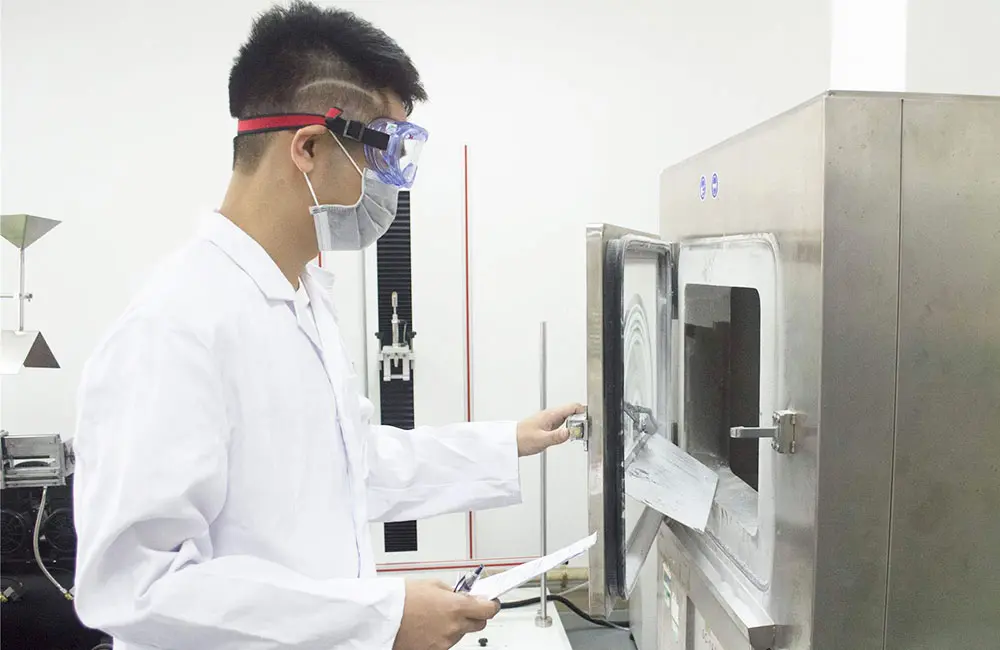 IEC 62133-2 Lithium Battery Testing Laboratory
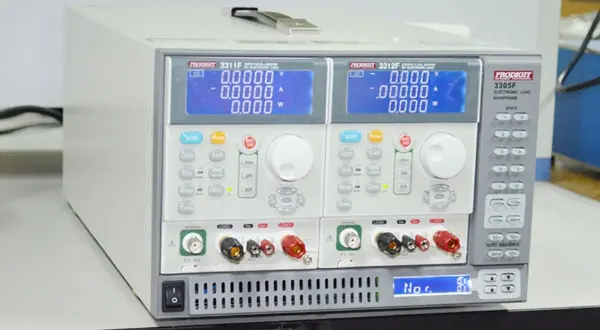 EN 55032 and EN 55035 Testing Laboratory
 FCC ID testing lab for Bluetooth earbuds
How to get an FCC ID and How Much Does It Cost
What is the EN 300 328 Testing Standard
FCC ID testing lab for Bluetooth earbuds
How to get an FCC ID and How Much Does It Cost
What is the EN 300 328 Testing Standard
 Amazon TIC Lithium Battery Appliance UL 60335-2-29
 What is the Difference Between EU PPWR and EPR?
 What is Japanese METI Registration
Leave us a message
24-hour online customer service at any time to respond, so that you worry!