



IP Protection Level Testing
IP protection level testing determines the capability of various device enclosures to resist the ingress of dust and water. It assesses whether the sealing performance of the enclosure is intact.
The IP protection level is specified by two digits, with the first digit indicating the dust protection level and the second digit indicating the water protection level. For example, in IP65, the first digit "6" denotes dust protection level IP6X, and the second digit "5" denotes water protection level ipx5. Together, the digits represent IP65.
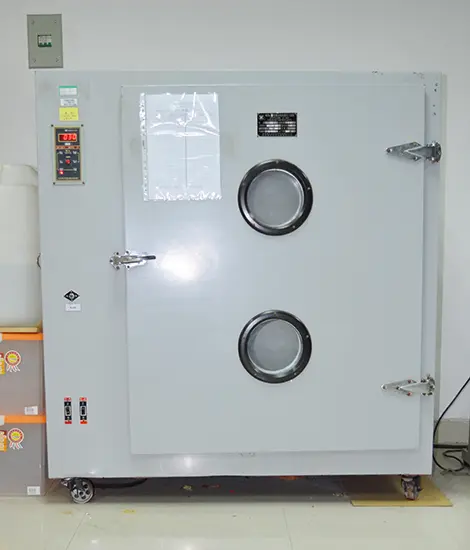
IP Dust and Water Protection Levels
IP Dust Protection Levels (0-6)
- 0: No protection.
- 1: Protection against large solid objects.
- 2: Protection against medium-sized solid objects.
- 3: Protection against small solid objects.
- 4: Protection against solid objects larger than 1mm.
- 5: Protection against harmful dust accumulation.
- 6: Complete protection against dust ingress.
IP Water Protection Levels (0-8)
- 0: No protection.
- 1: Protection against dripping water.
- 2: Protection against dripping water when the enclosure is tilted up to 15 degrees.
- 3: Protection against water or rain falling at an angle up to 60 degrees from vertical.
- 4: Protection against water splashed from any direction.
- 5: Protection against low-pressure water jets from any direction.
- 6: Protection for use in ship cabins.
- 7: Protection against immersion in water up to 1 meter for short periods.
- 8: Protection against long periods of immersion under pressure.
For instance, a display instrument marked with an IP protection level of IP65 indicates that the product is completely protected against dust ingress and can withstand water jets without any damage.
Email:hello@jjrlab.com
Write your message here and send it to us
 How to get the EN 55035 Test Report?
 What is the Amazon EN 301 489 Standard?
 How to get an EN 301 489 Test Report?
 What is EN 301 489 Compliance Certification?
 Introduction to the EN 300 422 Standard
 How to get an EN 300 422 Test Report
 What is EN 300 422 Compliance Certification?
 How to get an EN 300 220 Test Report
Leave us a message
24-hour online customer service at any time to respond, so that you worry!