



Is CE Certification Accepted in Australia
CE certification is a product safety certification for the European Economic Area (EEA). Australia is not a member of the EEA, so CE certification is generally not required or accepted in Australia. Australia’s product safety regulations and standards differ from those of the EEA, and the country typically adopts its own safety certification standards. If you intend to sell products in Australia, you must comply with local product safety regulations and standards and obtain the corresponding certifications.
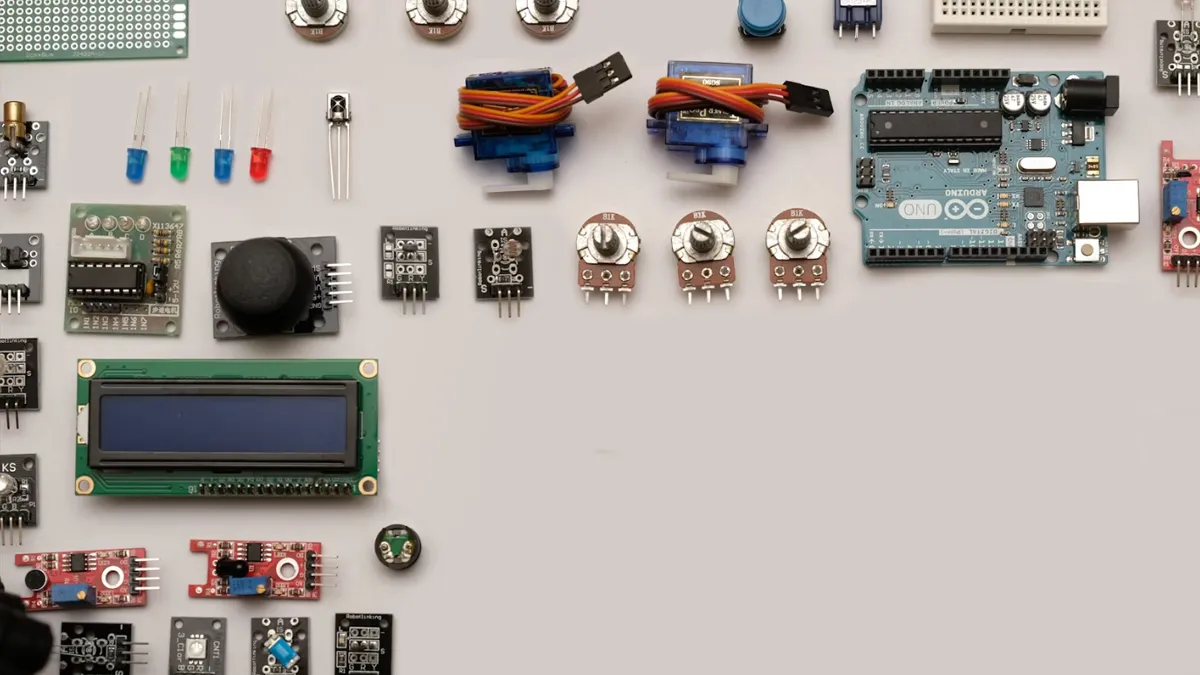
Main Certifications for Electronic Products Exported to Australia
1. saa certification
Issued by Standards Australia, SAA certification is used to confirm that products meet Australia’s electrical safety standards.
(1) Scope of Application
Covers various types of electronic products, such as computers, televisions, audio equipment, power chargers, and projectors.
(2) Certification Marks
① Form Recognition: This type of certification only tests and certifies samples to ensure they meet relevant standards, without involving reviews of the production process.
② Standard Mark: Requires production units to undergo factory audits to ensure the production process complies with relevant standards and requirements.
2. c-tick certification
C-Tick certification is Australia’s electromagnetic compatibility (EMC) certification program, and its implementation system is similar to the EU’s EMC Directive.
(1) Scope of Application
Covers a wide range of electronic and electrical products, especially those that may generate electromagnetic interference.
(2) Certification Classification
· Class 1 Products: Low electromagnetic interference risk;
· Class 2 Products: Medium electromagnetic interference risk;
· Class 3 Products: High electromagnetic interference risk.
Class 1 products can voluntarily apply for the C-Tick mark, while Class 2 and Class 3 products must be affixed with the C-Tick mark.
3. rcm certification
RCM certification is a compliance mark implemented in Australia for electrical products, covering requirements related to electrical safety, electromagnetic compatibility (EMC), and telecommunications.
For some products, it is necessary to first obtain an saa certificate and an EMC test report (e.g., a C-Tick report) before registering for an rcm certificate.
Certification Requirements for Products of Different Risk Levels
Australia classifies the risk level of electronic products into three grades. The certification requirements for electronic products of different risk levels exported to Australia are as follows:
1. Level 1 (Low-Risk Category)
① Scope of Application: Generally refers to DC-powered products, such as some simple electronic products driven by batteries and without wireless functions.
② Certification Requirements: Such products do not need to apply for SAA certification. If they have an emc report, the rcm mark can be used independently.
2. Level 2 (Medium-Risk Category)
① Scope of Application: Generally refers to AC-powered products, such as common office electronic devices using AC power supplies.
② Certification Requirements: An EMC report, a safety report (a test report proving that the electronic product meets Australia’s safety specifications), an application for the RCM mark, and EESS registration (Electrical Equipment Safety System registration) are required.
3. Level 3 (High-Risk Category)
① Scope of Application: Refers to high-voltage products and products listed in Australia’s specified high-risk product list.
② Certification Requirements: Generally, an EMC report, a safety report, and an SAA certificate are required to apply for RCM certification and complete EESS registration.
Notes
① Understand Applicable Standards: Australia has a series of AS/NZS standards for electronic products; enterprises must determine the standards applicable to their products.
② Ensure Sample Consistency: The samples submitted for testing must be consistent with the actual products.
③ Pay Attention to Certification Time: Different certifications take different amounts of time. Enterprises should plan their time reasonably and reserve a sufficient buffer period before applying for certification.
④ Maintain Continuous Compliance: Enterprises must ensure that products comply with local requirements throughout the sales period. If a product is modified, re-certification or partial testing should be applied for in a timely manner.
Email:hello@jjrlab.com
Write your message here and send it to us
 IEC 62133-2 Lithium Battery Testing Laboratory
 EN 55032 and EN 55035 Testing Laboratory
 FCC ID testing lab for Bluetooth earbuds
How to get an FCC ID and How Much Does It Cost
What is the EN 300 328 Testing Standard
FCC ID testing lab for Bluetooth earbuds
How to get an FCC ID and How Much Does It Cost
What is the EN 300 328 Testing Standard
 Amazon TIC Lithium Battery Appliance UL 60335-2-29
 What is the Difference Between EU PPWR and EPR?
What is Japanese METI Registration
What is the Difference Between EU PPWR and EPR?
What is Japanese METI Registration
Leave us a message
24-hour online customer service at any time to respond, so that you worry!