



Korea TYPE-C Interface EN IEC 62680-1 Testing
Announcement Overview
On November 8, 2024, the Korean Ministry of Science and ICT (MSIT) announced upcoming technical standards for charging and data transfer methods for broadcasting and communication equipment such as mobile devices and smart devices on the World Trade Organization (WTO) website. Subsequently, on November 26, 2024, the department published an updated notification on the WTO website, making editorial corrections to Notes 3, 4, and 5.
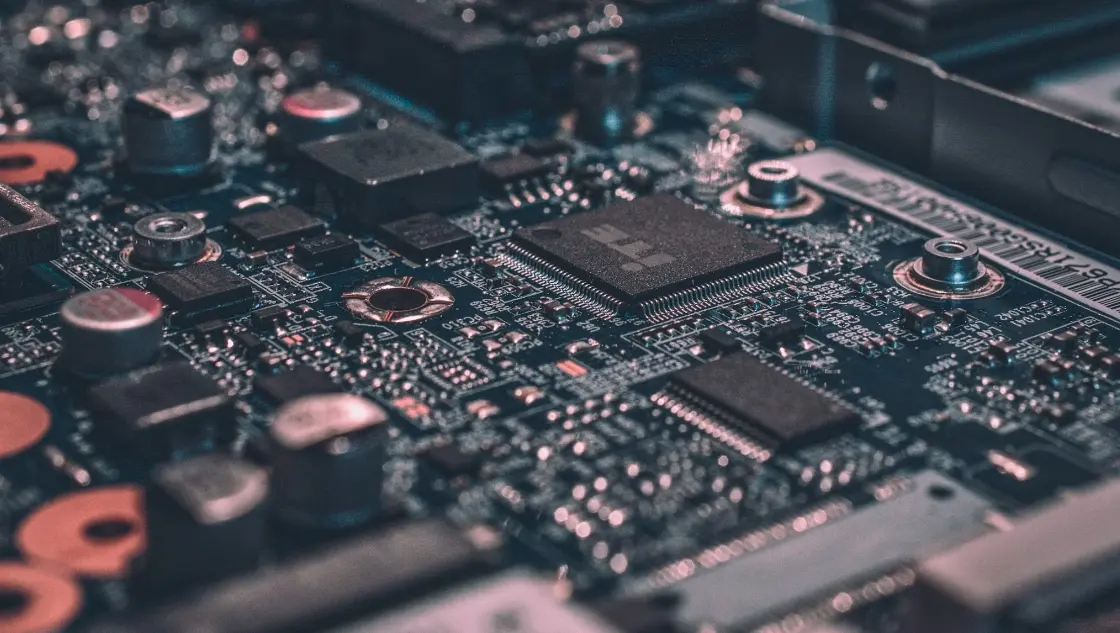
Devices Required to Have USB Type-C Charging Ports:
- Mobile phones
- Tablets
- Digital cameras
- Headphones
- Headsets
- Portable video game controllers
- Portable speakers
- E-book readers
- Keyboards
- Mice
- Portable navigation systems
- Earbuds
- Laptops (Mandatory from April 1, 2026)
Notes:
1. The scope of devices covered under this technical standard aligns with the European Union's Common Charger Regulation (EU) 2022/2380.
2. This technical standard will come into effect on February 14, 2025, with laptops required to comply starting April 1, 2026.
Testing Standards:
EN IEC 62680-1-2:2022
The USB Power Delivery Specification is a fast-charging protocol based on the CC channel within the Type-C connector. Under this protocol, power-supplying and power-receiving devices can negotiate and adjust voltage, current, and charging direction. This specification outlines detailed requirements regarding:
- Electrical specifications
- Physical layer
- Protocol layer
- System policies
- Status reporting
- Power rules
EN IEC 62680-1-3:2022
The Type-C® Cable and Connector Specification covers:
- Type-C connectors
- Type-C cables
- Type-C protocol (functional testing)
This includes pin definitions, mechanical structure requirements, dimensional requirements, electrical performance specifications, as well as definitions for Type-C device roles, power roles, power capabilities, related handshake protocols, and state machine definitions.
Product Evaluation Requirements:
1. Type-C Charging Interface (Mandatory):
Devices must comply with the connector specification requirements of EN IEC 62680-1-3 and meet the functional protocol specification requirements for the complete device.
2. PD Fast-Charging Protocol:
If a product’s charging rated voltage exceeds 5V, current exceeds 3A, or power exceeds 15W, it must support and undergo testing for:
- EN IEC 62680-1-2 PD fast-charging protocol compliance.
- Testing requirements:
- Only one test sample is required for PD and complete-device functional protocol testing.
- A VIF file must be provided.
- Connector complianCE certification can be demonstrated by:
- A supplier-provided EN IEC 62680-1-3 test report,
- A report issued by JJR Labs,
- Or a USB-IF TID.
Email:hello@jjrlab.com
Write your message here and send it to us
 What is the ASTM F2264 Certification Test?
 What is ASTM F2194 Certification Testing?
 What is the ASTM F2167 Certification Test?
 What is the ASTM F2050 Certification Test?
 What is ASTM F1967 Certification Testing? How to g
 What is the ASTM F1917 Certification Test?
 How to get ASTM F1821 Certification
 What is the ASTM F1821 Testing Standard?
Leave us a message
24-hour online customer service at any time to respond, so that you worry!